



Why Systematic Customer Research Matters
Product development without customer research is like navigating without a map. You might eventually reach your destination, but the journey will be longer, costlier, and filled with unnecessary detours. According to CB Insights, 35% of startups fail because they built something nobody wanted. This statistic highlights a fundamental truth: assumptions about customer needs are often wrong.
Systematic customer research isn’t just occasional surveys or informal conversations. It’s a structured, ongoing process that informs every stage of product development. This methodical approach helps teams:
- Validate product concepts before investing development resources
- Identify and prioritize the features customers actually value
- Discover unmet needs that represent market opportunities
- Test messaging and positioning for maximum market impact
- Build evidence-based confidence in product decisions
The difference between ad-hoc research and systematic research is consistency and integration. Top-performing teams don’t just conduct research; they build it into their development process as a non-negotiable step.
Stop Guessing What Your Customers Want
Start making data-driven product decisions with SurveyMonkey’s powerful research tools. Design professional surveys in minutes and get actionable insights fast.
Key Benefits of Systematic Customer Research
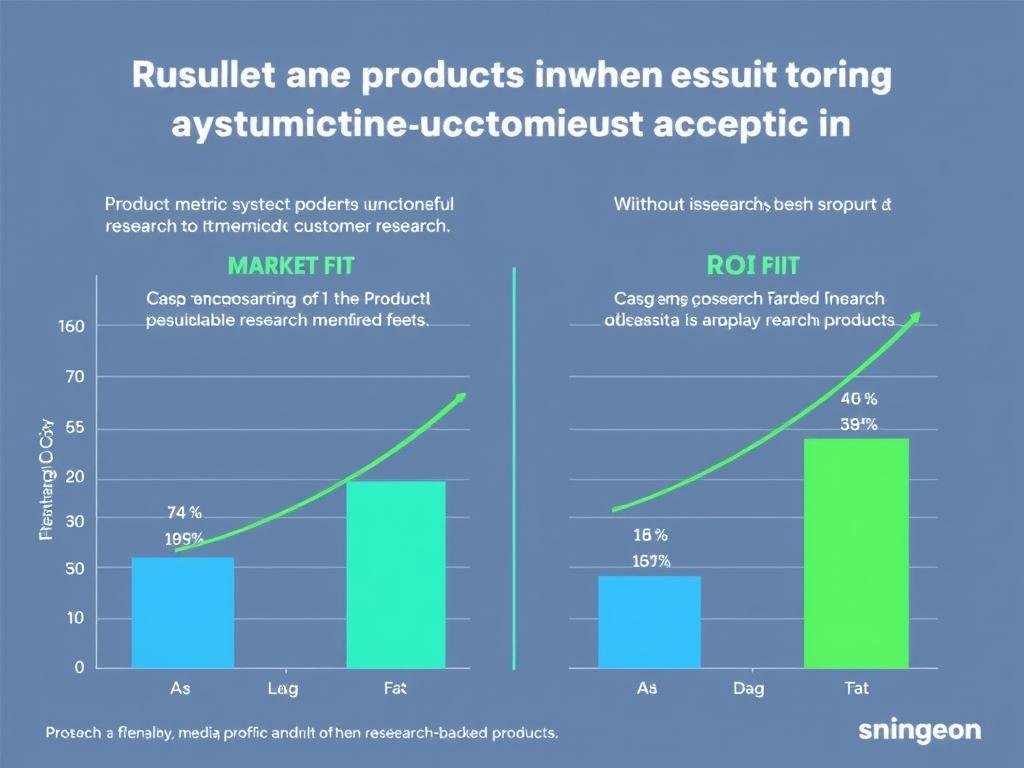
When product teams integrate systematic customer research into their development process, they experience measurable benefits that directly impact business outcomes. Let’s explore the three most significant advantages:
Reduced Development Risk
Building products is expensive and time-consuming. Every sprint spent developing unwanted features represents wasted resources. Systematic research identifies what customers actually value before development begins, allowing teams to:
- Eliminate features that won’t drive adoption or retention
- Focus development resources on high-impact functionality
- Reduce costly pivots and redesigns after launch
- Lower overall development costs while improving outcomes
Improved Product-Market Fit

Product-market fit doesn’t happen by accident. It’s the result of deeply understanding customer needs and systematically aligning your product to address them. Research-driven teams achieve better fit by:
- Identifying the most pressing customer pain points
- Understanding how customers currently solve their problems
- Discovering unmet needs competitors aren’t addressing
- Testing and refining value propositions before full launch
Higher Launch Success Rates
The ultimate measure of product development effectiveness is launch success. Teams that employ systematic customer research consistently achieve:
Products backed by systematic research show significantly higher success metrics across key performance indicators. This isn’t surprising—when you build what customers actually want, they’re more likely to adopt, engage with, and remain loyal to your product.
The data is clear: research-informed products outperform assumption-driven ones by substantial margins. Teams that make research a core part of their process are essentially buying insurance against market failure.
“We used to debate features based on opinions and titles. Now we let customer research settle those debates. Our launch success rate has more than doubled since implementing systematic research.”
SurveyMonkey: The Ideal Platform for Systematic Customer Research
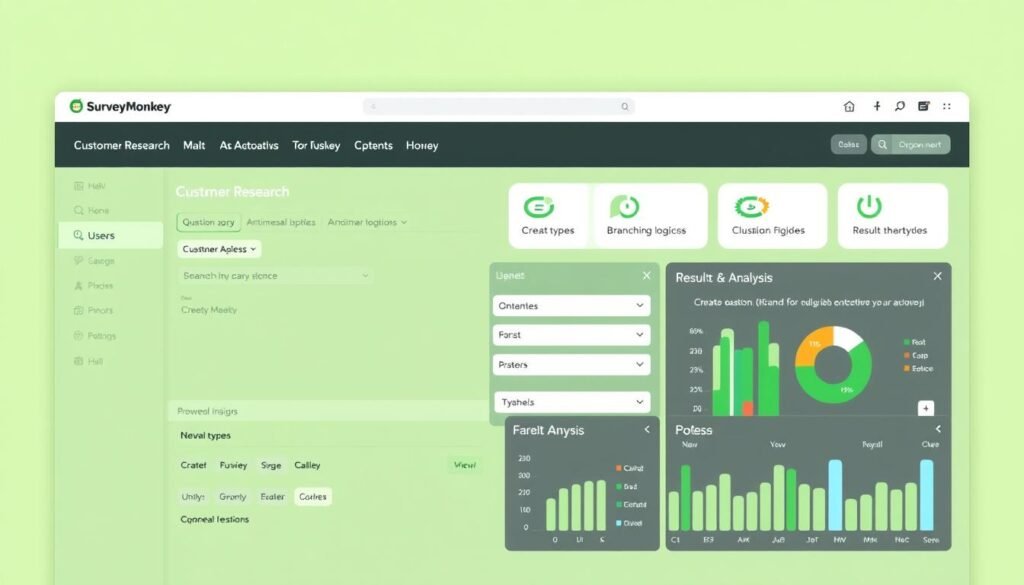
While there are many tools available for customer research, SurveyMonkey has emerged as the preferred platform for product teams seeking efficiency and depth in their research process. Its combination of ease-of-use and powerful analytics makes it particularly well-suited for systematic customer research.
Rapid Survey Design and Deployment
Time is often the biggest barrier to consistent research. SurveyMonkey removes this obstacle by enabling teams to:
- Create professional surveys in minutes using industry-validated templates
- Access a library of pre-written questions specific to product research
- Implement advanced logic and branching without technical expertise
- Preview surveys across devices to ensure optimal respondent experience

This efficiency means teams can launch critical research in hours rather than days, maintaining development momentum while still gathering essential customer insights.
Targeted Audience Reach
Finding the right respondents is crucial for meaningful research. SurveyMonkey excels by offering:
- Access to millions of verified respondents through SurveyMonkey Audience
- Precise targeting based on demographics, behaviors, and industry
- Multiple distribution channels including email, social media, and web embedding
- Custom panels for ongoing research with existing customers
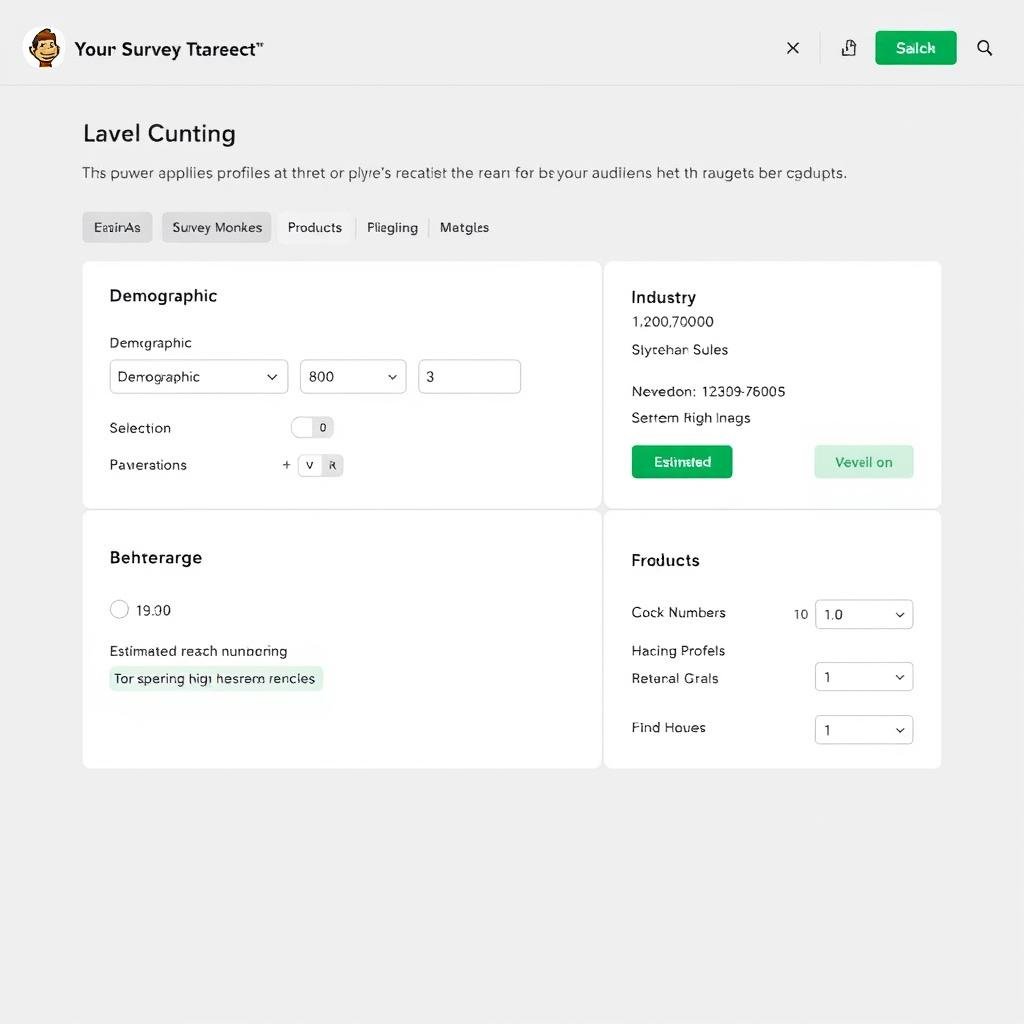
This targeting capability ensures that insights come from relevant potential users, not just convenient respondents, significantly improving the reliability of research findings.
AI-Powered Analysis and Insights
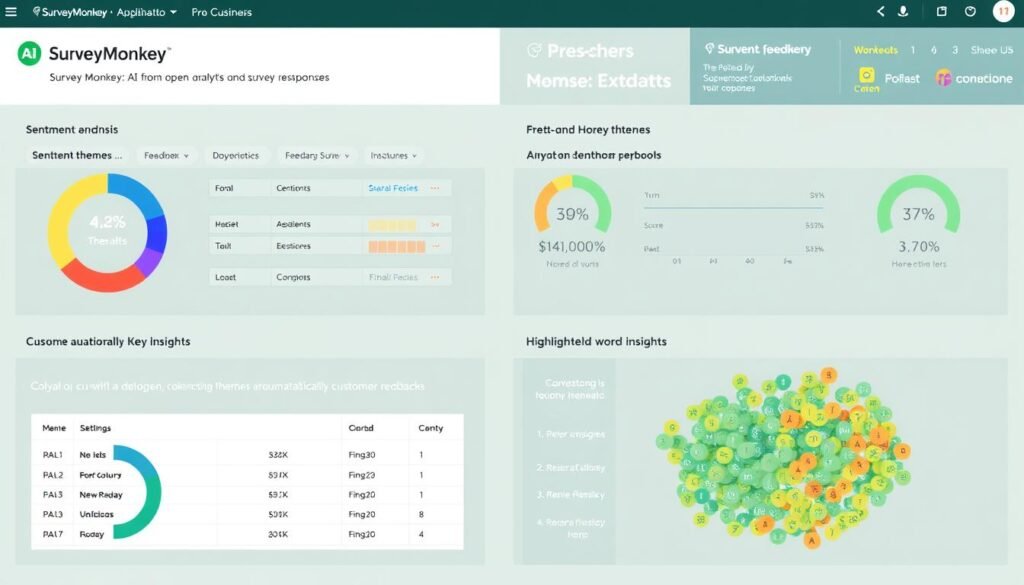
Collecting data is only half the battle—turning that data into actionable insights is where many research efforts fall short. SurveyMonkey’s analytics capabilities address this challenge with:
- Automated theme detection in open-ended responses
- Sentiment analysis to gauge emotional response to concepts
- Cross-tabulation to identify patterns across different user segments
- AI-generated insights that highlight significant findings
- Visualization tools that make complex data immediately understandable
These analytical tools transform raw survey data into clear direction for product decisions, without requiring specialized data science expertise.
Experience SurveyMonkey’s Research Power
Join thousands of product teams using SurveyMonkey to build better products through systematic customer research.
Implementing Systematic Customer Research: A Practical Framework
Knowing the benefits of systematic research is one thing; implementing it effectively is another. Here’s a practical framework for integrating customer research into your product development process using SurveyMonkey.
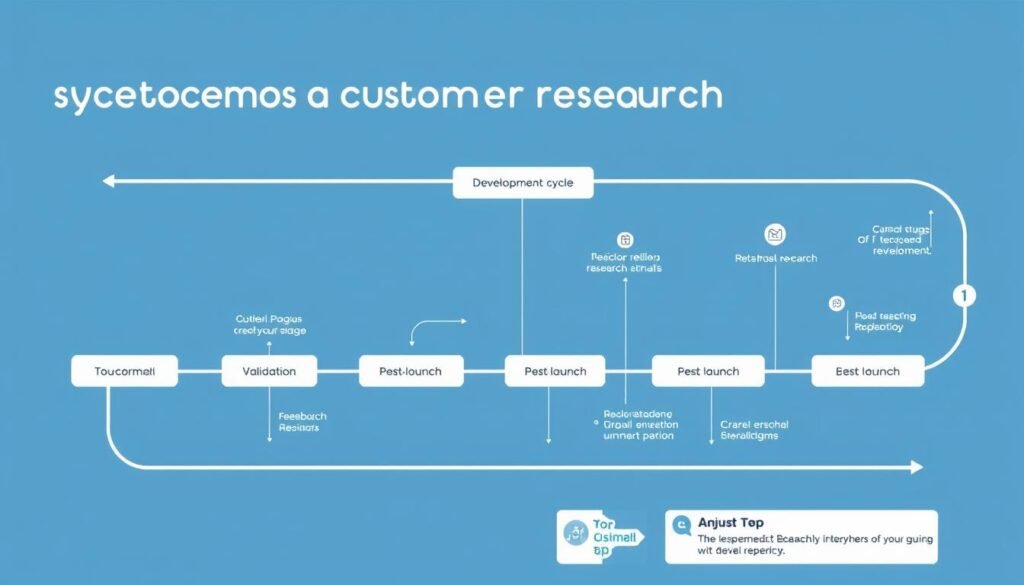
Step 1: Define Clear Research Objectives
Every effective research initiative begins with clarity about what you need to learn. Start by:
- Identifying specific questions your team needs answered
- Determining how the answers will influence product decisions
- Setting measurable criteria for success (e.g., “80% of users rate this feature as ‘very valuable'”)
Pro Tip: In SurveyMonkey, create a project folder for each major research initiative. This keeps related surveys organized and makes it easier to track insights over time.
Step 2: Select the Right Research Methods
Different questions require different research approaches. SurveyMonkey supports multiple methodologies:
| Research Goal | Recommended Method | SurveyMonkey Features |
| Concept Validation | Concept Testing Survey | Image comparison, rating scales, A/B testing |
| Feature Prioritization | MaxDiff Analysis | Ranking questions, priority matrices |
| Usability Testing | Task Completion + Survey | SUS template, video feedback integration |
| Market Segmentation | Demographic + Psychographic Survey | Advanced logic, cross-tabulation analysis |
| Pricing Research | Van Westendorp Price Sensitivity | Price testing template, economic analysis |
Step 3: Design Effective Surveys

Survey design significantly impacts response quality. Follow these best practices:
Structure
- Start with screening questions to ensure relevant respondents
- Group related questions together for logical flow
- Place demographic questions at the end to avoid fatigue on critical questions
- Limit surveys to 5-7 minutes for higher completion rates
Question Design
- Use clear, neutral language that doesn’t bias responses
- Include a mix of closed and open-ended questions
- Implement skip logic to personalize the survey path
- Test your survey with team members before full deployment
SurveyMonkey Advantage: The platform offers built-in Question Bank with professionally written questions and Expert Solutions templates designed specifically for product research scenarios.
Step 4: Analyze Results and Extract Insights
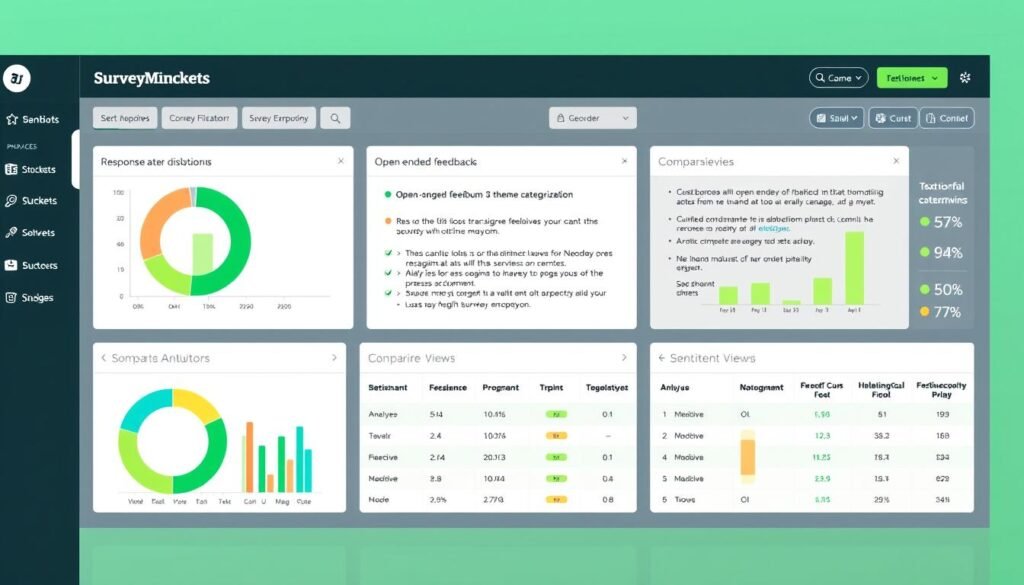
SurveyMonkey’s analysis tools help transform raw data into actionable insights:
- Use filters to compare responses across different user segments
- Apply the Text Analysis feature to categorize open-ended responses
- Create custom charts and dashboards for stakeholder presentations
- Export data to specialized tools for deeper analysis when needed
Step 5: Integrate Insights into Product Decisions
The final and most crucial step is turning insights into action:
- Create a standardized format for sharing research findings with the team
- Link specific insights to planned features or design decisions
- Maintain a research repository that teams can reference during planning
- Establish a regular cadence for reviewing research during product meetings
“The difference between teams that occasionally do research and those that are truly systematic is what happens after the data is collected. Systematic teams have a clear process for turning insights into product decisions.”
Case Study: How FinTech Startup Validated Their Product Concept

PaySimple, a fintech startup, was developing a new personal finance management app. Instead of building based on assumptions, they implemented systematic customer research using SurveyMonkey to validate their concept.
The Challenge
The team had several competing hypotheses about what features would drive adoption:
- Automated expense categorization
- Personalized savings recommendations
- Bill payment reminders and automation
- Investment portfolio tracking
With limited development resources, they needed to identify which features would deliver the most value to potential users.
The Research Approach
Using SurveyMonkey, the team implemented a three-phase research plan:
- Initial Concept Testing – They surveyed 500 potential users to rate the appeal of different feature concepts and identify pain points in their current financial management.
- Feature Prioritization – Based on initial feedback, they conducted a MaxDiff analysis to determine which features users valued most.
- Pricing Sensitivity – They tested different pricing models against the prioritized feature set to optimize their monetization strategy.
Key Findings
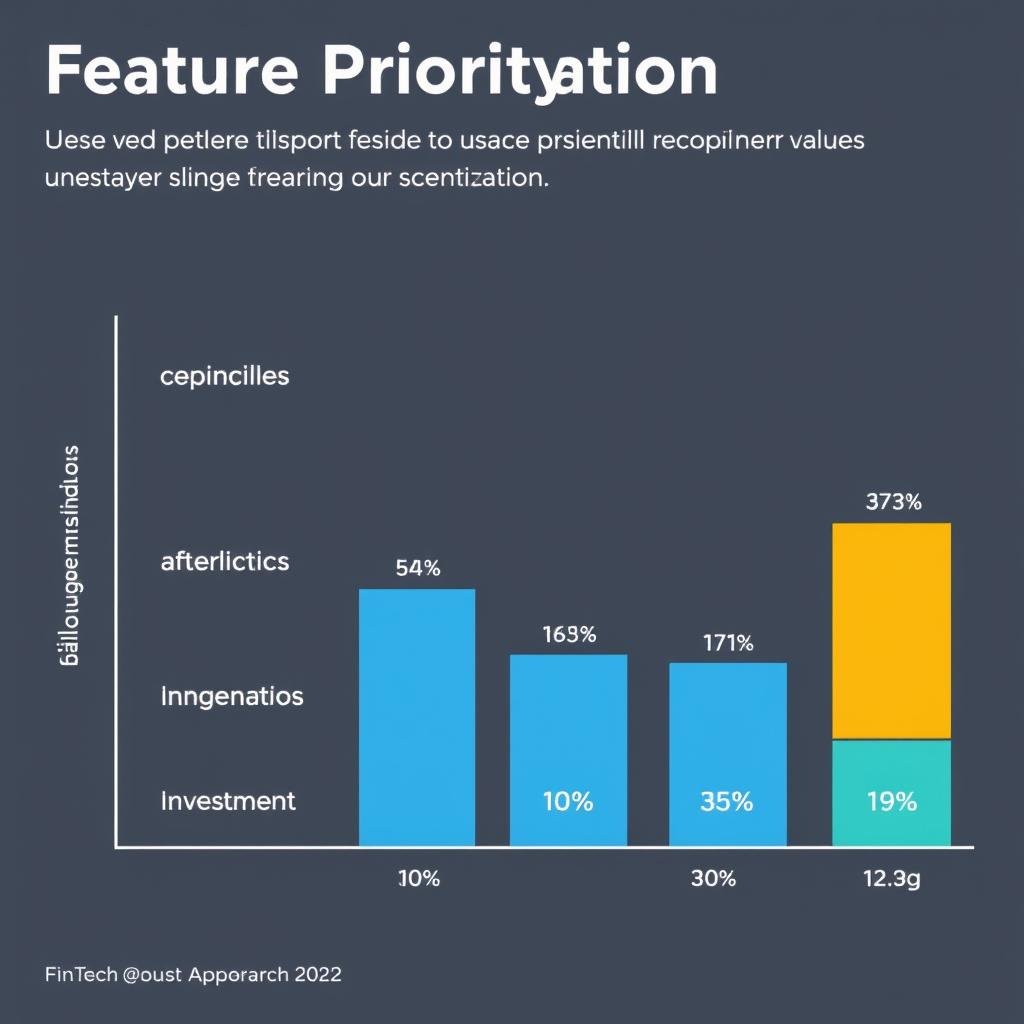
The research revealed several surprising insights:
- Automated expense categorization, which the team assumed would be the top priority, ranked third in user value
- Bill payment reminders emerged as the most valued feature, with 78% of respondents rating it “extremely valuable”
- Users were willing to pay 40% more for a subscription that included personalized savings recommendations
- Investment tracking was only highly valued by a specific segment, suggesting it could be a premium feature
The Impact
Based on these insights, PaySimple:
- Reprioritized their development roadmap to focus on bill management first
- Created a tiered pricing model with investment features in the premium tier
- Refined their messaging to emphasize the benefits users valued most
- Launched with a clear product-market fit, achieving 150% of their first-quarter user acquisition goals
“SurveyMonkey didn’t just help us collect data—it helped us understand what that data meant for our product strategy. The insights we gained fundamentally changed our approach and likely saved us months of developing features our users wouldn’t have valued.”
Ready to Validate Your Product Concept?
Follow PaySimple’s example and use SurveyMonkey to gather the insights you need for a successful product launch.
Conclusion: Make Systematic Customer Research Your Competitive Advantage

The difference between products that succeed and those that fail often comes down to how well teams understand their customers before they build. Systematic customer research isn’t just a nice-to-have—it’s a competitive necessity in today’s market.
By implementing a structured research process with SurveyMonkey, product teams can:
- Replace assumptions with evidence-based decisions
- Prioritize features that deliver genuine customer value
- Reduce development waste on unwanted functionality
- Build internal alignment around a shared understanding of customer needs
- Launch with confidence, knowing their product addresses validated market demands
The most successful product teams we work with don’t leave success to chance. They systematically research, validate, and refine their concepts before committing significant resources to development. With tools like SurveyMonkey making this process faster and more accessible than ever, there’s no excuse for launching blindly.
Transform Your Product Development Process
Join the ranks of successful product teams who use systematic customer research to build products people actually want.