




Understanding Smart Chatbots in Customer Service
Smart chatbots represent the evolution of traditional rule-based chatbots, leveraging artificial intelligence, natural language processing (NLP), and machine learning to deliver more intuitive and personalized customer experiences. Unlike their predecessors that relied on predefined scripts and keyword matching, smart chatbots can understand context, recognize patterns, and continuously improve their responses through each interaction.Key Capabilities of Smart Chatbots
- Natural language understanding that interprets customer intent beyond keywords
- Contextual awareness that maintains conversation flow across multiple queries
- Personalization capabilities that tailor responses based on customer history
- Continuous learning that improves performance over time
- Seamless integration with existing customer service platforms
- Multi-channel deployment across websites, messaging apps, and social media
- Sentiment analysis to detect customer emotions and adjust responses
- Multilingual support to serve global customer bases
- Analytics and reporting to track performance and identify improvement areas
- Automated escalation protocols when human intervention is needed
The Business Impact of 24/7 Support
Implementing smart chatbots for round-the-clock customer service delivers multiple benefits beyond just extended availability. Organizations that have successfully deployed these AI assistants report significant improvements in customer satisfaction, operational efficiency, and even revenue generation.Benefits of Smart Chatbots
- Immediate response to customer inquiries regardless of time zone or business hours
- Consistent service quality that doesn’t fluctuate due to human factors
- Significant cost reduction compared to staffing 24/7 contact centers
- Ability to handle multiple conversations simultaneously during peak periods
- Valuable data collection on customer needs and pain points
Challenges to Address
- Ensuring chatbots can recognize when to escalate to human agents
- Maintaining conversational flow that feels natural and helpful
- Balancing automation with the human touch customers still value
- Keeping knowledge bases updated for accurate information
- Managing customer expectations about chatbot capabilities
Implementing Smart Chatbots: A Step-by-Step Approach
Successfully deploying smart chatbots requires careful planning and execution. The following steps will guide you through the implementation process, from defining your objectives to measuring performance.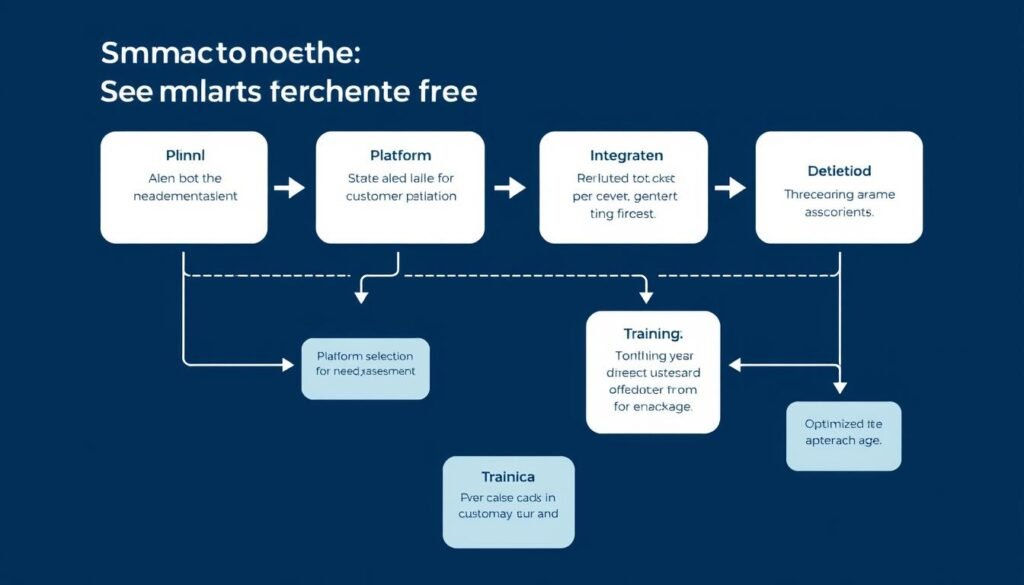
1. Define Your Objectives and Use Cases
Before selecting a chatbot platform, clearly define what you want your smart chatbot to accomplish. Identify specific customer service scenarios where chatbots can provide the most value.Common Customer Service Use Cases for Smart Chatbots
- Answering FAQs: Providing instant responses to common questions about products, services, or policies
- Order tracking: Allowing customers to check order status without human assistance
- Troubleshooting: Walking customers through basic troubleshooting steps for common issues
- Appointment scheduling: Helping customers book, reschedule, or cancel appointments
- Product recommendations: Suggesting relevant products based on customer preferences and history
2. Choose the Right Chatbot Platform
Selecting the appropriate chatbot solution is crucial for success. Consider factors such as AI capabilities, integration options, scalability, and pricing models.| Feature | Why It Matters | Questions to Ask |
| NLP Capabilities | Determines how well the chatbot understands natural language | How accurately can the chatbot interpret customer intent? Can it handle slang and typos? |
| Integration Options | Ensures compatibility with existing systems | Does it integrate with your CRM, knowledge base, and communication channels? |
| Training Requirements | Affects implementation timeline and resources | How much data is needed to train the chatbot effectively? What ongoing training is required? |
| Analytics and Reporting | Provides insights for continuous improvement | What metrics are tracked? How detailed are the reports? |
| Escalation Capabilities | Ensures complex issues reach human agents | How does the chatbot determine when to escalate? Is context preserved during handoff? |
3. Integrate with Your CRM and Knowledge Base
For smart chatbots to deliver personalized and accurate support, they need access to customer data and up-to-date information. Integration with your CRM system and knowledge base is essential for providing context-aware assistance.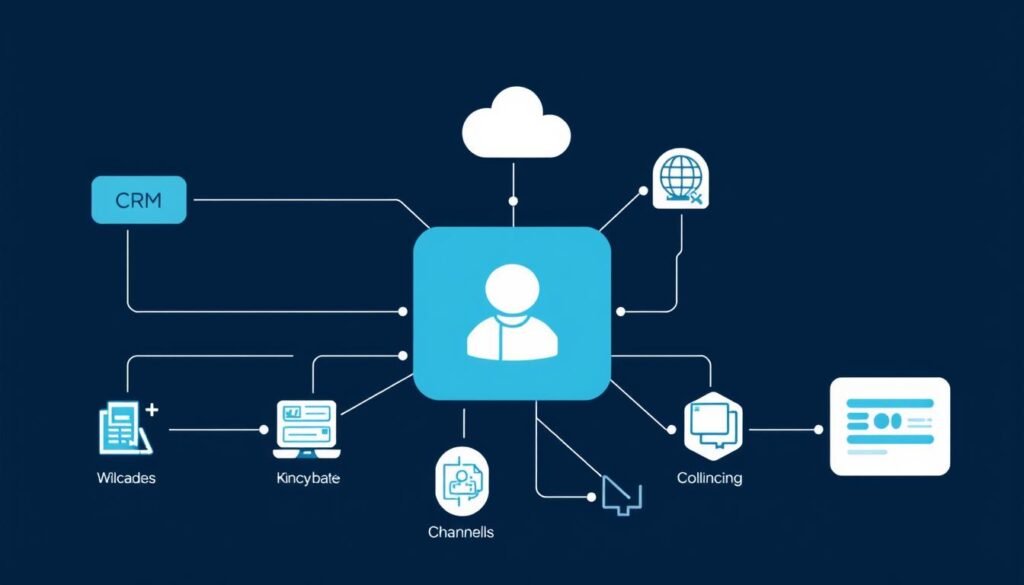
- Customer data: Access to purchase history, previous interactions, and account information
- Knowledge articles: Up-to-date product information, troubleshooting guides, and company policies
- Ticketing systems: Ability to create and update support tickets when issues require follow-up
- Communication channels: Seamless deployment across website, mobile app, social media, and messaging platforms
Ready to implement smart chatbots for your business?
Get started with a free trial of our AI-powered customer service solution and see the difference 24/7 support can make for your business.
Start Free Trial4. Design Conversational Flows
Creating effective conversation flows is crucial for guiding customers to solutions efficiently. Map out common customer journeys and design dialogues that feel natural while moving toward resolution.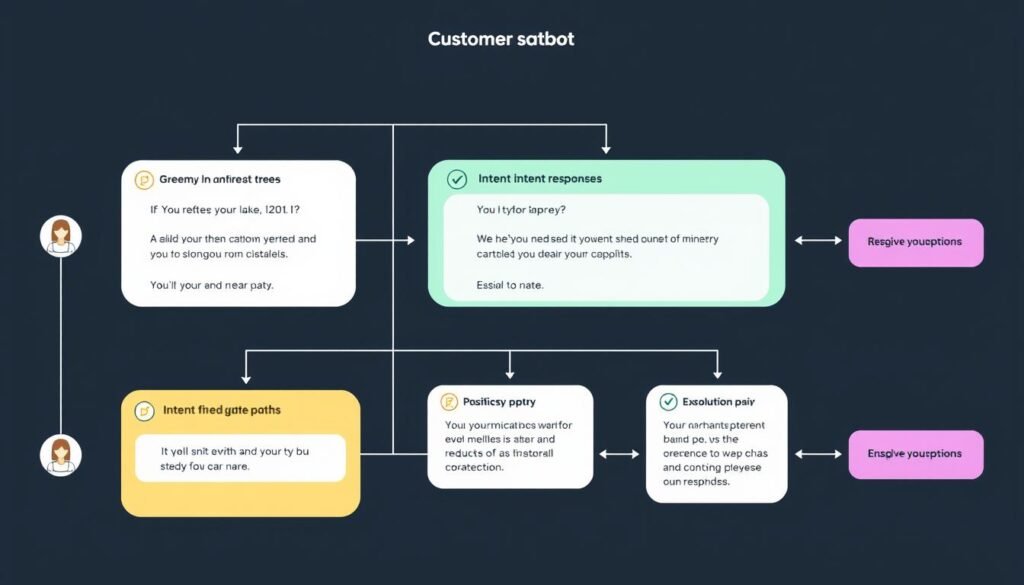
- Start with a friendly greeting that sets expectations about chatbot capabilities
- Include clarifying questions to better understand customer needs
- Provide clear, concise responses that address the specific query
- Offer follow-up options to ensure the issue is fully resolved
- Design smooth transitions when escalation to a human agent is necessary
5. Train Your Chatbot
Smart chatbots require proper training to understand customer inquiries and provide relevant responses. This involves feeding the AI system with data that represents typical customer interactions.Training Data Sources
- Historical customer support conversations
- Frequently asked questions and their answers
- Common customer issues and resolution paths
- Product documentation and knowledge base articles
Ongoing Training Practices
- Regular review of unsuccessful conversations
- Updating responses based on customer feedback
- Adding new content as products and policies change
- Refining intent recognition for better accuracy
6. Establish Escalation Protocols
Even the most advanced smart chatbots will encounter situations they can’t handle. Defining clear escalation paths ensures customers receive appropriate assistance when AI reaches its limits.Effective Escalation Triggers
- Explicit requests: Customer directly asks to speak with a human agent
- Sentiment detection: Chatbot identifies frustration or negative emotions
- Complex inquiries: Questions that fall outside the chatbot’s knowledge domain
- Loop detection: Conversation is going in circles without resolution
- High-value scenarios: Situations involving large purchases or account cancellations
7. Test and Refine
Before full deployment, thoroughly test your chatbot with internal teams and a small segment of customers. Gather feedback and make necessary adjustments to improve performance.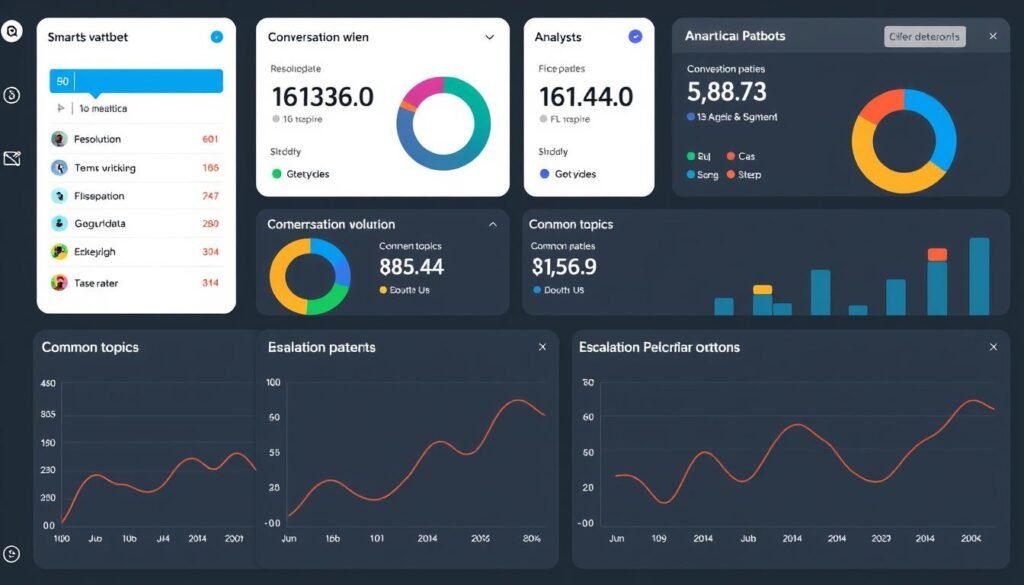
- Accuracy of intent recognition and response relevance
- Handling of edge cases and unexpected inputs
- Conversational flow and natural dialogue
- Proper functioning of integrations with other systems
- Escalation process and handoff to human agents
8. Deploy and Monitor
After testing and refinement, deploy your smart chatbot across selected channels and continuously monitor its performance. Use analytics to identify improvement opportunities and track key metrics.| Metric | Description | Target |
| Containment Rate | Percentage of conversations fully handled by the chatbot without human intervention | 70-80% |
| First Response Time | Time taken to provide initial response to customer inquiry | |
| Customer Satisfaction | Rating provided by customers after chatbot interaction | 4.5/5 or higher |
| Conversation Length | Average number of exchanges to resolve an issue | 5-7 exchanges |
| Fallback Rate | Percentage of queries the chatbot couldn’t understand |
5 Real-World Examples of Successful Smart Chatbot Implementation
Learning from organizations that have successfully deployed smart chatbots can provide valuable insights for your own implementation. Here are five examples of businesses leveraging AI-powered chatbots to deliver exceptional 24/7 customer service.1. Sephora: Personalized Beauty Assistant

- 85% increase in engagement among chatbot users
- 11% higher conversion rate compared to non-chatbot users
- Significant reduction in returns due to better product matching
2. Bank of America: Erica Virtual Financial Assistant
- Over 19.5 million users and 230 million interactions since launch
- 40% reduction in call center volume for routine transactions
- Increased mobile banking engagement and customer satisfaction
3. Domino’s Pizza: DOM Order Assistant

- Over 50% of digital orders now come through automated channels
- 25% increase in order frequency among chatbot users
- Improved order accuracy compared to phone orders
4. Lemonade Insurance: Maya Claims Assistant
- Some claims processed and paid in as little as 3 seconds
- 30% of claims handled entirely by AI without human intervention
- Significantly lower operational costs compared to traditional insurers
5. Spotify: Customer Support Chatbot

- 70% reduction in response time for common support issues
- Over 60% of support inquiries successfully resolved without human agents
- Improved customer satisfaction scores for support interactions
Want to achieve similar results for your business?
Download our free implementation checklist to ensure you don’t miss any critical steps when deploying your smart chatbot solution.
Download ChecklistBest Practices for Balancing Automation and Human Touch
While smart chatbots can handle many customer inquiries, maintaining the right balance between automation and human interaction is crucial for delivering exceptional service. Here are key practices to ensure your chatbot implementation enhances rather than diminishes the customer experience.
Design Transparent Experiences
Be upfront with customers about when they’re interacting with a chatbot versus a human agent. Transparency builds trust and sets appropriate expectations.Do:
- Clearly identify the chatbot as an AI assistant
- Explain the chatbot’s capabilities and limitations
- Provide an easy option to reach a human agent
Don’t:
- Try to pass off the chatbot as human
- Hide options for reaching live support
- Oversell the chatbot’s capabilities
Create Seamless Handoffs
When a conversation needs to transition from chatbot to human agent, make the process as smooth as possible to avoid customer frustration.Elements of Effective Handoffs
- Context preservation: Transfer the full conversation history to the human agent
- Queue transparency: Provide estimated wait times for human assistance
- Continuity: Ensure the human agent has access to customer data and previous interactions
- Channel flexibility: Offer options for continuing the conversation (chat, phone, email)
- Follow-up: Have the chatbot check back after human interaction to ensure resolution
Personalize Interactions
Leverage customer data to make chatbot interactions feel more personal and relevant, mimicking the human touch even in automated conversations.
- Addressing customers by name when authenticated
- Referencing previous purchases or interactions
- Acknowledging customer status or loyalty program membership
- Tailoring recommendations based on browsing or purchase history
- Remembering preferences from previous conversations
Continuously Train and Improve
Smart chatbots get better over time with proper training and refinement. Establish processes for ongoing improvement based on actual customer interactions.Quantitative Analysis
- Review containment rates by topic
- Identify common escalation triggers
- Track customer satisfaction scores
- Analyze conversation lengths and paths
Qualitative Analysis
- Review transcripts of unsuccessful conversations
- Gather feedback from human agents on handoffs
- Conduct user testing with new conversation flows
- Solicit direct customer feedback on chatbot experiences
Empower Human Agents
Smart chatbots should complement human agents, not replace them. Design your customer service ecosystem to leverage the strengths of both AI and human support.Ways to Empower Agents with Chatbot Technology
- AI-assisted responses: Suggesting responses that agents can customize
- Information retrieval: Quickly pulling relevant information from knowledge bases
- Routine task automation: Handling data entry and administrative tasks
- Prioritization: Routing complex or high-value cases to appropriate specialists
- Follow-up automation: Managing post-interaction surveys and check-ins
Addressing Common Challenges with Smart Chatbots
While smart chatbots offer significant benefits for 24/7 customer service, they also come with challenges that need to be addressed for successful implementation. Understanding these potential pitfalls and having strategies to overcome them is essential.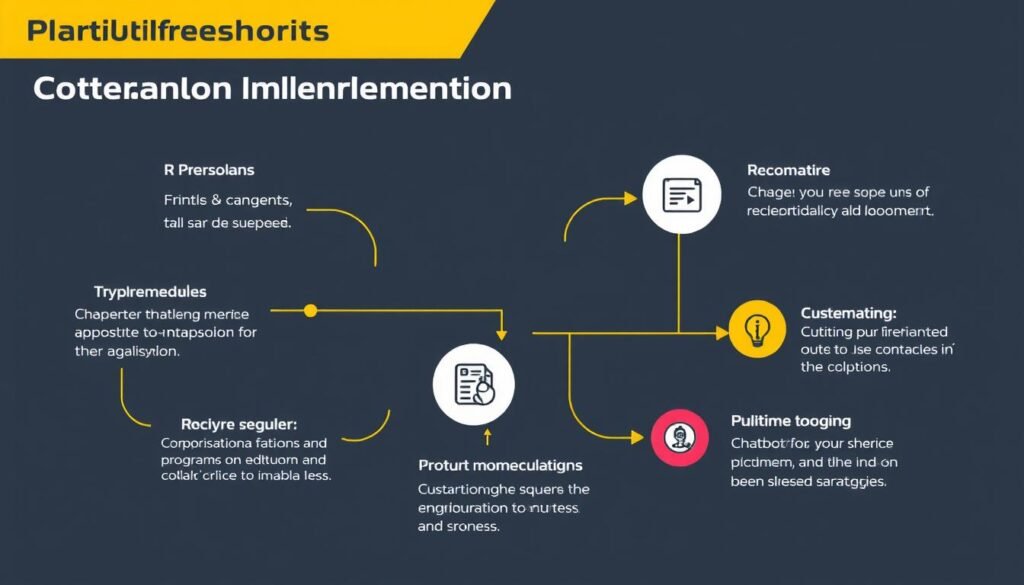
Natural Language Processing Limitations
Even advanced NLP systems can struggle with certain aspects of human language, leading to misunderstandings and frustration.Common NLP Challenges
- Understanding industry-specific terminology
- Processing slang, abbreviations, and typos
- Interpreting sarcasm and humor
- Handling multiple questions in a single message
Mitigation Strategies
- Train with domain-specific language and common misspellings
- Implement clarification questions when intent is unclear
- Use entity recognition to identify key information
- Continuously update training data with real conversations
Managing Customer Expectations
Customers may have unrealistic expectations about chatbot capabilities, leading to disappointment when the AI can’t handle certain requests.Setting Appropriate Expectations
- Clear introduction: Begin conversations by explaining what the chatbot can help with
- Visual cues: Use design elements to distinguish between AI and human support
- Capability transparency: Be upfront about limitations and when human assistance might be needed
- Progressive disclosure: Gradually introduce more complex capabilities as the conversation evolves
- Feedback mechanisms: Provide easy ways for customers to report issues or request human help
Data Privacy and Security Concerns
Smart chatbots process and store sensitive customer information, raising important privacy and security considerations.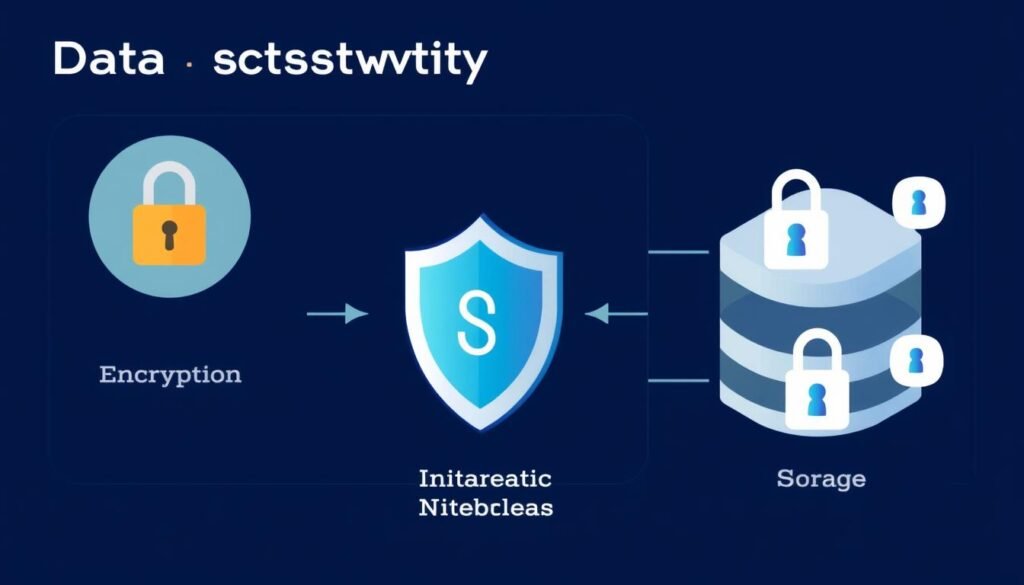
- Implementing end-to-end encryption for all conversations
- Establishing clear data retention policies and communicating them to customers
- Providing options for anonymous interactions when personal information isn’t necessary
- Ensuring compliance with relevant regulations (GDPR, CCPA, etc.)
- Conducting regular security audits and vulnerability assessments
Integration Complexity
Connecting smart chatbots with existing systems can be technically challenging, particularly for organizations with legacy infrastructure.Common Integration Challenges
- Connecting to legacy systems with limited APIs
- Ensuring real-time data synchronization
- Managing authentication across multiple systems
- Maintaining performance during high-volume periods
Solution Approaches
- Use middleware or API gateways to connect disparate systems
- Implement a phased integration approach starting with critical systems
- Consider cloud-based solutions for better scalability
- Work with vendors offering pre-built connectors for common platforms
Measuring ROI and Performance
Demonstrating the business value of smart chatbots requires comprehensive measurement beyond simple metrics like containment rate.Holistic Performance Measurement
- Cost savings: Compare operational costs before and after implementation
- Revenue impact: Track conversions and upsells generated through chatbot interactions
- Customer lifetime value: Measure changes in retention and repeat business
- Agent productivity: Assess improvements in handle time and first-contact resolution
- Customer effort: Evaluate reduction in steps needed to resolve issues
Ready to overcome these challenges?
Our experts can help you navigate the complexities of smart chatbot implementation and ensure your solution delivers maximum value.
Schedule a DemoSmart Chatbot Evaluation Checklist
When selecting a smart chatbot platform for your 24/7 customer service needs, use this comprehensive checklist to evaluate different options and find the solution that best fits your requirements.
Core AI Capabilities
- Natural Language Understanding: How accurately does the chatbot interpret customer intent?
- Contextual Awareness: Can it maintain context throughout a multi-turn conversation?
- Entity Recognition: How well does it identify and extract key information from queries?
- Sentiment Analysis: Can it detect customer emotions and adjust responses accordingly?
- Learning Capabilities: Does it improve over time based on interactions?
Integration and Deployment
- CRM Integration: Does it connect with your customer relationship management system?
- Knowledge Base Access: Can it pull information from your existing knowledge resources?
- Channel Support: Which communication channels does it support (web, mobile, social, etc.)?
- Authentication: How does it handle secure customer identification?
- Scalability: Can it handle your expected conversation volume, including peaks?
Conversation Management
- Dialogue Design: How intuitive is the conversation flow creation process?
- Handoff Capabilities: How smoothly does it transfer conversations to human agents?
- Fallback Handling: What happens when the chatbot can’t understand a query?
- Personalization: Can it tailor responses based on customer data and history?
- Proactive Capabilities: Can it initiate conversations based on customer behavior?
Analytics and Reporting
- Performance Metrics: What key metrics are tracked and reported?
- Conversation Analytics: Can you analyze conversation patterns and common topics?
- Customer Feedback: How is satisfaction with chatbot interactions measured?
- Improvement Insights: Does it provide actionable recommendations for enhancement?
- Custom Reporting: Can you create tailored reports for specific business needs?
Security and Compliance
- Data Encryption: How is conversation data protected in transit and at rest?
- Compliance Certifications: Does it meet relevant industry standards (SOC 2, HIPAA, etc.)?
- Data Retention: What are the policies for storing and deleting customer information?
- Access Controls: How is administrative access managed and secured?
- Audit Trails: Are system changes and data access properly logged?
Implementation and Support
- Implementation Timeline: How long does typical deployment take?
- Training Requirements: What resources are needed to train the system initially?
- Vendor Support: What level of technical assistance is provided?
- Documentation: How comprehensive are the user guides and technical documentation?
- Community Resources: Is there an active user community for knowledge sharing?
Cost and ROI
- Pricing Model: Is it subscription-based, usage-based, or a hybrid approach?
- Total Cost of Ownership: What are all the costs beyond the base subscription?
- ROI Calculation: How does the vendor help measure return on investment?
- Scalability Costs: How do prices change as usage increases?
- Contract Flexibility: What are the terms for changing or canceling service?
Conclusion: The Future of Smart Chatbots in Customer Service
Smart chatbots have transformed from simple rule-based systems to sophisticated AI assistants capable of delivering personalized, round-the-clock customer service. As natural language processing and machine learning technologies continue to advance, these virtual agents will become even more adept at understanding context, emotions, and complex requests. Implementing smart chatbots for 24/7 customer service isn’t just about deploying new technology—it’s about reimagining how your organization engages with customers. The most successful implementations balance automation with human touch, creating seamless experiences that leverage the strengths of both AI and human agents. By following the implementation steps, best practices, and evaluation guidelines outlined in this guide, you can develop a smart chatbot strategy that not only improves operational efficiency but also enhances customer satisfaction and loyalty. The future of customer service is here, and it’s available 24/7.Transform your customer service with smart chatbots
Start your journey toward 24/7 support excellence with our AI-powered customer service solution.
Get Started Today


criar uma conta na binance
Thanks for sharing. I read many of your blog posts, cool, your blog is very good.
isselkou
thank you very match .you are welcome