


Understanding Customer Acquisition Cost (CAC) and Why It Matters
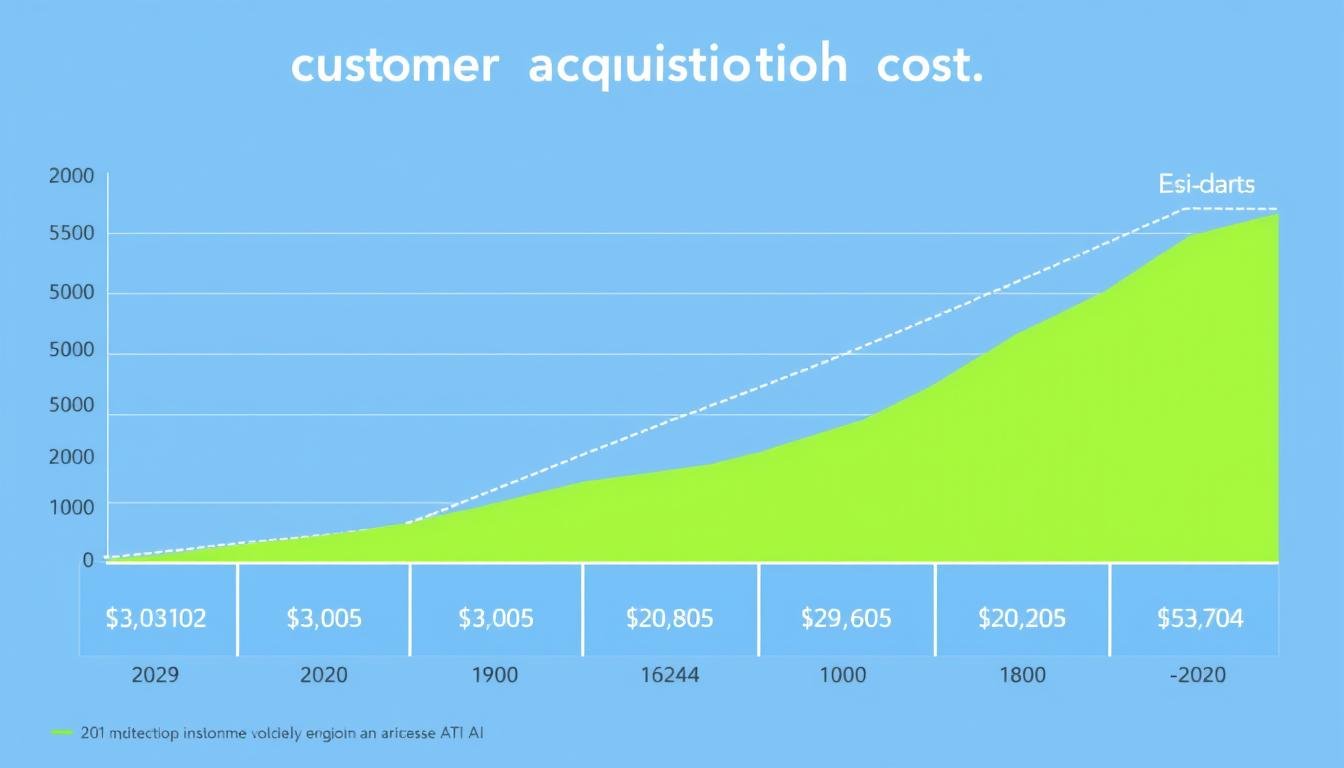
Customer Acquisition Cost (CAC) represents the total expense required to convert a prospect into a paying customer. This includes all marketing and sales expenses divided by the number of new customers acquired during a specific period. For example, if you spend $10,000 on marketing and sales in a month and acquire 100 new customers, your CAC is $100 per customer.
“The companies implementing AI marketing optimization in 2025 are building competitive advantages that will increase over time. Every day you delay implementation is another day of inefficient spending and missed opportunities.”
High CAC directly impacts your business profitability and growth potential. When acquisition costs exceed customer lifetime value, your business model becomes unsustainable. This is why optimizing CAC is critical for businesses of all sizes, particularly in competitive industries with rising digital advertising costs.
Why Traditional Marketing Approaches Lead to High CAC
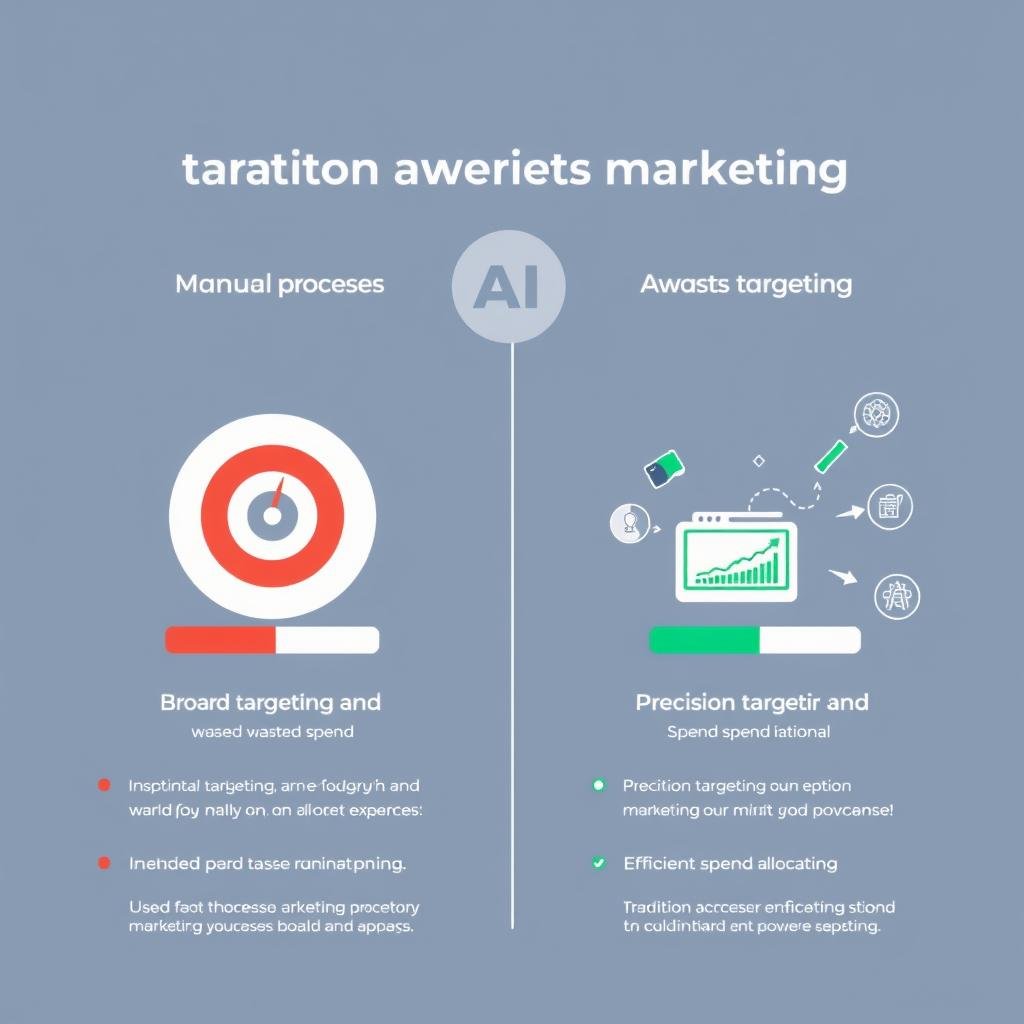
Traditional marketing methods often rely on broad targeting, manual optimization, and reactive adjustments. This approach leads to significant waste in marketing spend, with budgets allocated to audiences unlikely to convert. Without AI-powered precision, businesses typically experience:
- Inefficient ad spend on low-converting audience segments
- Slow, manual A/B testing that can’t scale
- Poor attribution models that misallocate marketing budgets
- Inability to predict which prospects are most likely to convert
- Static personalization that doesn’t adapt to individual behaviors
Ready to Lower Your Customer Acquisition Costs?
Get a free analysis of your current CAC and discover how AI can reduce your marketing costs by up to 30%.
Request Free CAC AnalysisAI-Powered Personalized Marketing and Content Recommendations
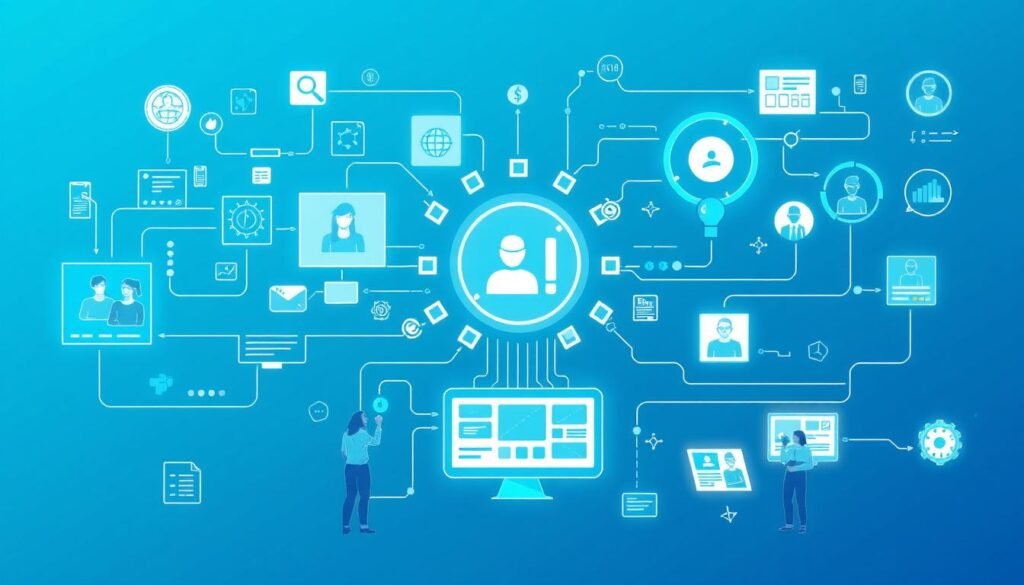 Personalization has evolved far beyond simply adding a customer’s name to an email. AI-powered personalization analyzes hundreds of data points to deliver truly individualized experiences that dramatically improve conversion rates and reduce customer acquisition costs.
How AI Personalization Reduces CAC
Behavioral Analysis
AI algorithms analyze user behavior patterns to identify intent signals and predict which content will drive conversion.Dynamic Content Optimization
Machine learning automatically tests and optimizes content variations to maximize engagement and conversion rates.Individualized Journeys
AI creates unique customer journeys based on real-time behavior, showing the right message at the right moment.Practical Implementation Steps
- Unify your customer data – Connect your CRM, website analytics, and marketing platforms to create a single customer view.
- Implement an AI personalization tool – Solutions like Dynamic Yield, Optimizely, or Adobe Target offer AI-powered personalization capabilities.
- Start with high-traffic pages – Begin personalization on your most visited pages to maximize impact.
- Create content variations – Develop multiple versions of headlines, images, and CTAs for the AI to test and optimize.
- Measure and refine – Track conversion improvements and continuously refine your personalization strategy.
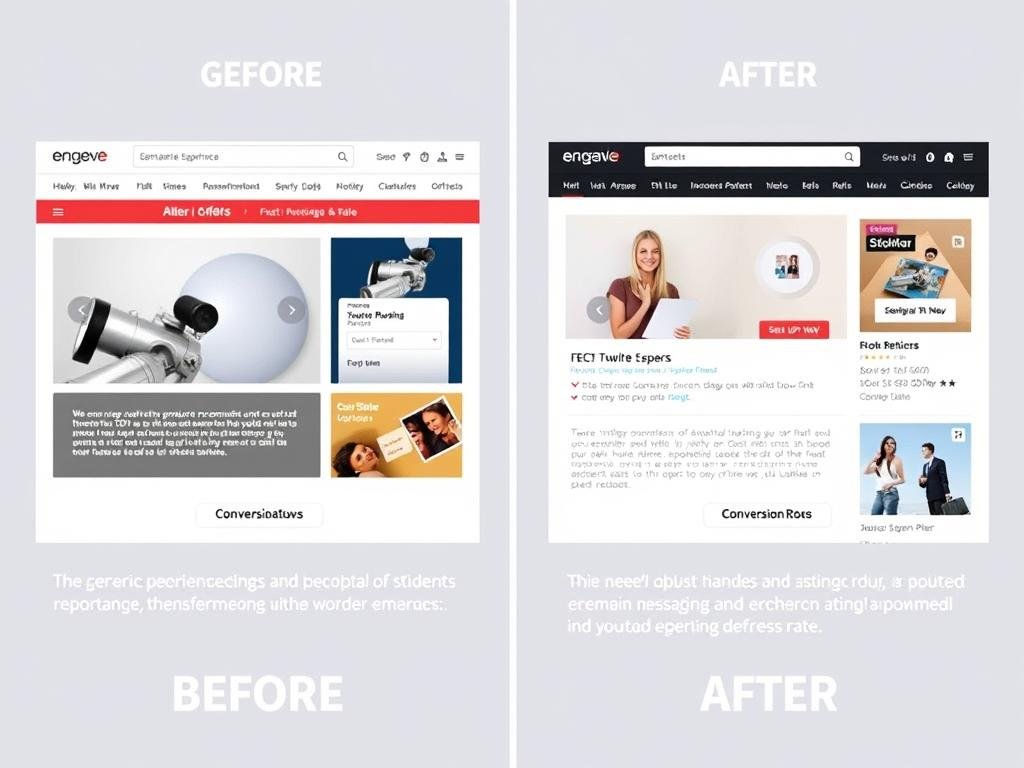
“Companies using AI personalization report an average 25% improvement in conversion rates, which directly translates to lower customer acquisition costs.”
Predictive Analytics for Targeting High-Value Customers
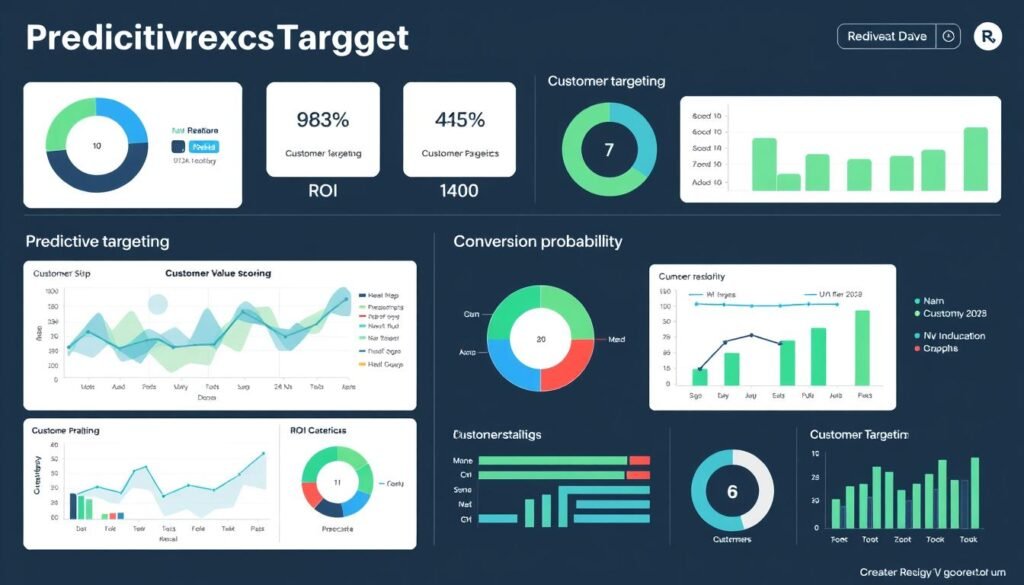 One of the most powerful ways AI reduces customer acquisition costs is through predictive analytics. Rather than treating all prospects equally, predictive models identify which leads are most likely to convert and become high-value customers, allowing you to allocate resources more efficiently.
Key Predictive Analytics Applications
Lead Scoring and Prioritization
AI-powered lead scoring analyzes hundreds of data points to assign conversion probability scores to each prospect. This allows sales and marketing teams to focus on leads with the highest likelihood of conversion, dramatically improving efficiency.Lookalike Audience Modeling
AI identifies patterns among your best customers and finds prospects with similar characteristics. This precision targeting ensures your marketing budget is spent on the audiences most likely to convert.Churn Prediction and Prevention
Predictive models identify customers at risk of churning before they leave, enabling proactive retention efforts that preserve customer lifetime value and improve CAC:LTV ratio.Budget Allocation Optimization
AI analyzes performance data across channels to predict which marketing investments will deliver the highest returns, ensuring optimal budget allocation.Implementation Guide for Predictive Analytics
| Implementation Step | Key Activities | Expected Outcome | Timeline |
| Data Preparation | Consolidate customer data from CRM, marketing platforms, and website analytics | Unified customer database with clean, structured data | 2-4 weeks |
| Model Development | Create predictive models for lead scoring, conversion probability, and customer value | Working predictive models with 70%+ accuracy | 3-6 weeks |
| Integration | Connect predictive models to marketing platforms and CRM systems | Automated scoring and segmentation in marketing workflows | 2-3 weeks |
| Testing & Optimization | Run A/B tests comparing AI-driven targeting vs. traditional methods | 15-30% improvement in conversion rates | 4-8 weeks |
| Scaling | Expand predictive targeting across all marketing channels | 20-40% reduction in overall CAC | Ongoing |
Struggling with High Customer Acquisition Costs?
Download our free AI-Powered CAC Reduction Calculator to estimate how much you could save with predictive analytics.
Download Free CalculatorChatbots and AI-Driven Customer Service for Lead Qualification
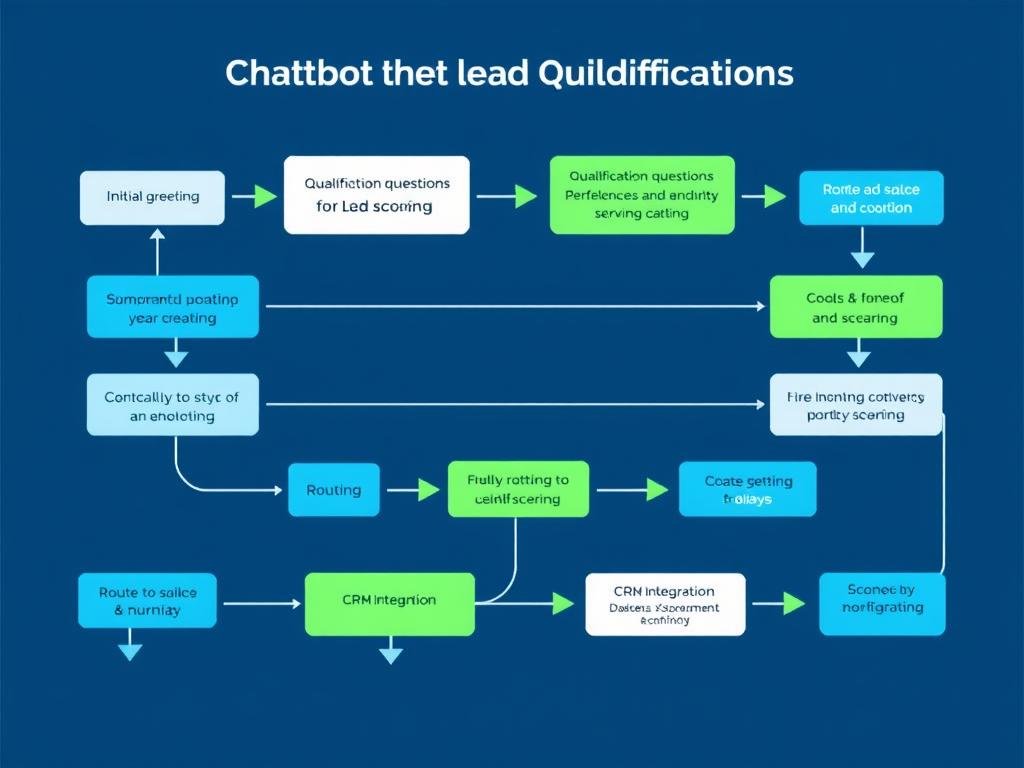
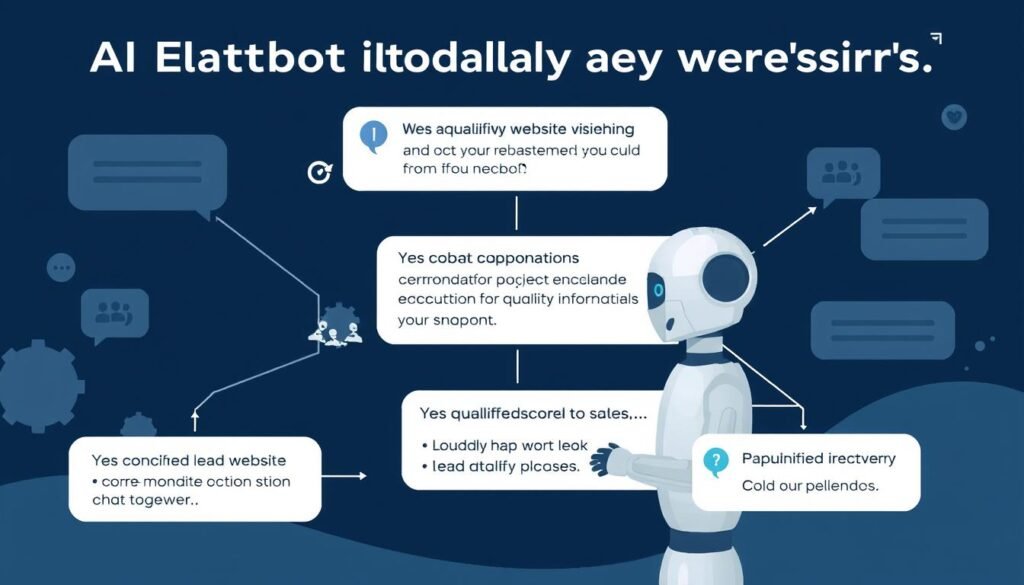 AI-powered chatbots have evolved from simple FAQ responders to sophisticated lead qualification and conversion tools. By engaging visitors 24/7, answering questions instantly, and qualifying leads automatically, chatbots significantly reduce the cost of customer acquisition while improving the user experience.
How AI Chatbots Reduce Customer Acquisition Costs
- 24/7 Availability – Engage prospects whenever they visit, regardless of time zone or business hours
- Instant Response – Answer questions immediately, preventing prospects from abandoning due to wait times
- Consistent Qualification – Apply the same qualification criteria to every lead without human variability
- Scalable Conversations – Handle thousands of simultaneous conversations without additional staff
- Progressive Profiling – Gather lead information gradually through natural conversation
- Personalized Recommendations – Suggest relevant products or content based on visitor responses
- Seamless Handoff – Transfer qualified leads to human sales reps at the optimal moment
- Continuous Learning – Improve responses and qualification accuracy over time
Real-World Impact on CAC
“Companies implementing AI chatbots for lead qualification report an average 35% reduction in cost per qualified lead and a 60% increase in lead-to-opportunity conversion rates.”
Implementation Guide for AI Chatbots
- Define qualification criteria – Determine what makes a lead sales-ready for your business
- Map conversation flows – Create logical conversation paths that gather qualifying information naturally
- Select an AI chatbot platform – Choose a solution with natural language processing and integration capabilities
- Train your chatbot – Provide sample questions, product information, and qualification criteria
- Integrate with your CRM – Ensure qualified leads are automatically added to your sales pipeline
- Test and optimize – Continuously improve conversation flows based on user interactions
Automated A/B Testing and Optimization of Landing Pages
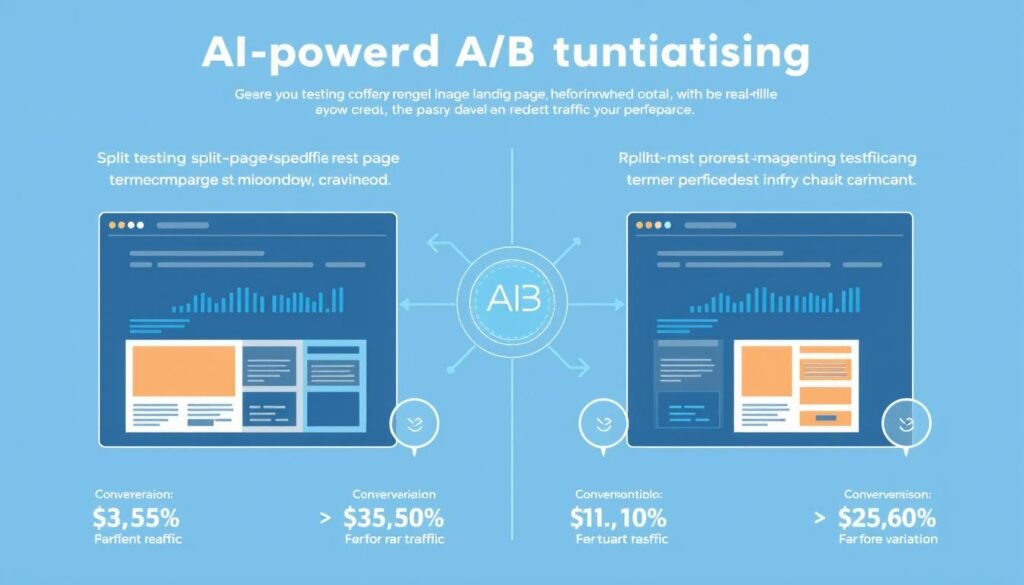 Traditional A/B testing is limited by the number of variations you can test simultaneously and the time required to reach statistical significance. AI-powered testing dramatically expands these capabilities, allowing you to test hundreds of variations simultaneously and continuously optimize for maximum conversion.
How AI Transforms A/B Testing
Multivariate Testing at Scale
Test hundreds of element combinations simultaneously instead of simple A/B comparisonsDynamic Traffic Allocation
Automatically shift traffic to higher-performing variations in real-timePersonalized Optimization
Show different variations to different audience segments based on their characteristicsImplementation Steps for AI-Powered Testing
- Select an AI testing platform – Choose a solution with machine learning capabilities like Optimizely, VWO, or Adobe Target
- Identify high-impact pages – Focus on landing pages with significant traffic and conversion importance
- Create multiple variations – Develop different headlines, images, CTAs, and layouts for testing
- Define clear conversion goals – Specify exactly what user action constitutes a conversion
- Launch and monitor – Allow the AI to allocate traffic and track performance
- Implement winning variations – Apply insights across your website
Benefits of AI-Powered Testing
- Tests reach statistical significance 60% faster
- Identifies winning combinations human testers might miss
- Continuously optimizes without manual intervention
- Adapts to changing user behavior patterns
- Delivers personalized experiences to different segments
Implementation Challenges
- Requires sufficient traffic volume for quick results
- Initial setup more complex than traditional A/B testing
- May need technical resources for implementation
- Requires clear conversion goals and tracking
- Platform costs higher than basic testing tools
AI-Enhanced Retargeting and Ad Spend Optimization
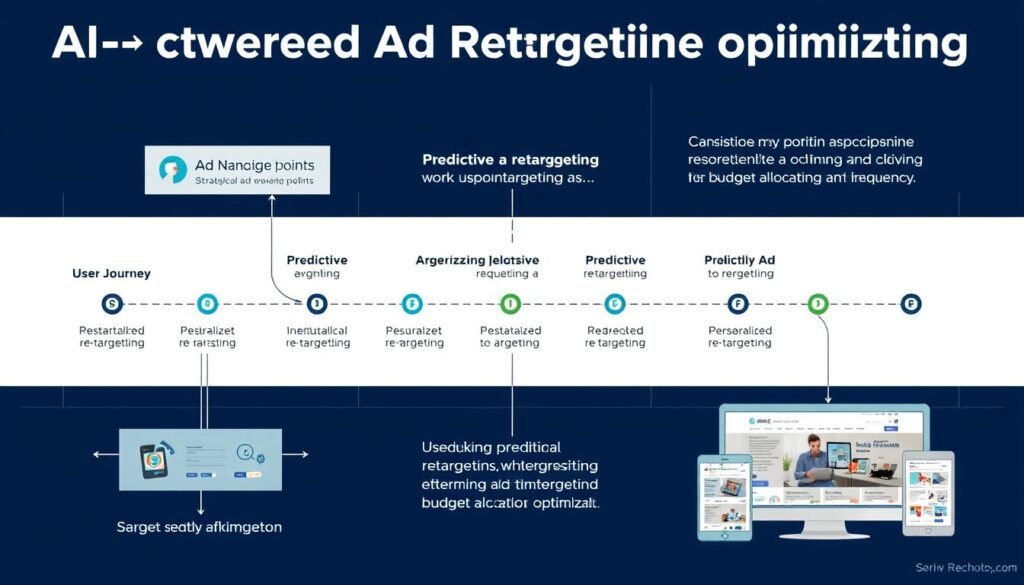 Traditional retargeting often wastes budget by showing ads to all website visitors with equal frequency, regardless of their conversion potential. AI-enhanced retargeting dramatically improves efficiency by predicting which users are most likely to convert and optimizing ad frequency, timing, and creative elements.
How AI Transforms Retargeting Efficiency
Predictive Conversion Modeling
AI analyzes user behavior patterns to identify visitors with the highest conversion probability, allowing you to allocate more budget to high-potential prospects.Dynamic Frequency Optimization
Instead of showing the same number of ads to all users, AI determines the optimal frequency for each individual based on their engagement patterns and conversion likelihood.Creative Element Optimization
AI automatically tests different ad creatives, messages, and offers to identify the most effective combinations for different user segments.Cross-Channel Attribution
Machine learning models track the customer journey across multiple touchpoints, enabling more accurate attribution and budget allocation.Implementation Guide for AI-Enhanced Retargeting
- Implement advanced tracking – Ensure your website captures detailed user behavior data
- Segment your audience – Create distinct visitor segments based on behavior and intent signals
- Select an AI-powered advertising platform – Choose solutions with predictive bidding and creative optimization
- Create multiple creative variations – Develop different ad formats, messages, and offers for testing
- Set clear conversion goals – Define specific actions that constitute successful conversions
- Monitor and refine – Continuously analyze performance and adjust your strategy
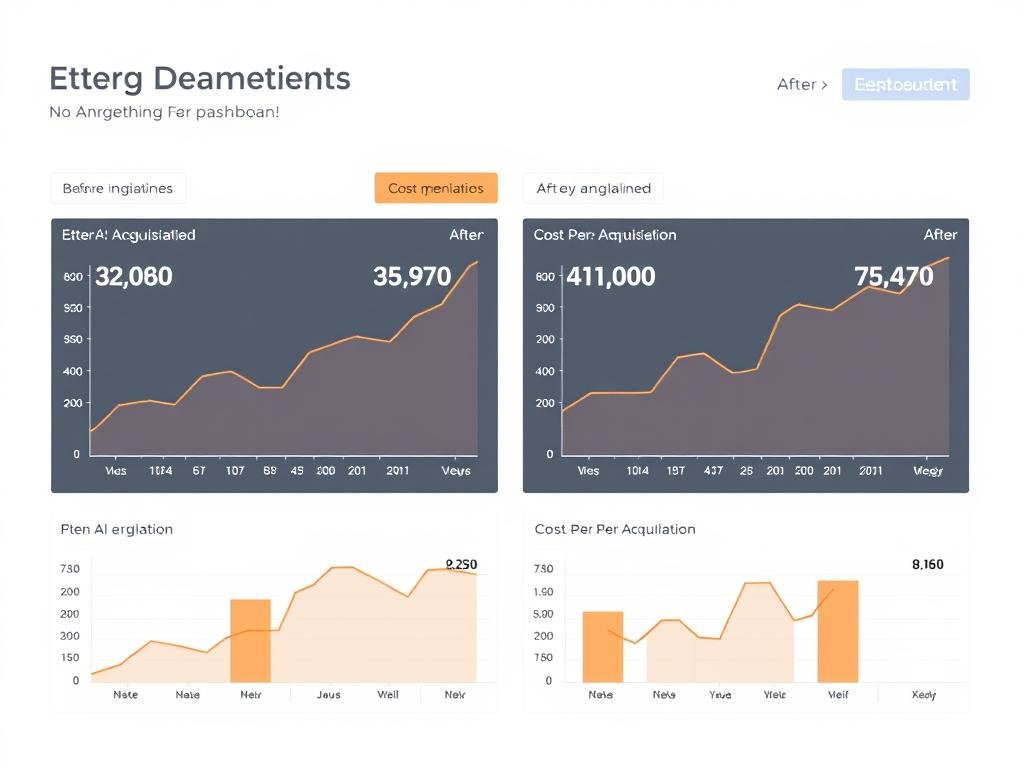
“Businesses implementing AI-enhanced retargeting report an average 40% reduction in cost per acquisition while maintaining or increasing conversion volume.”
Ready to Reduce Your Customer Acquisition Costs?
Our AI marketing experts can analyze your current acquisition strategy and identify opportunities to reduce costs by 25-40%.
Schedule Your Free ConsultationImplementation Roadmap: Getting Started with AI for CAC Reduction
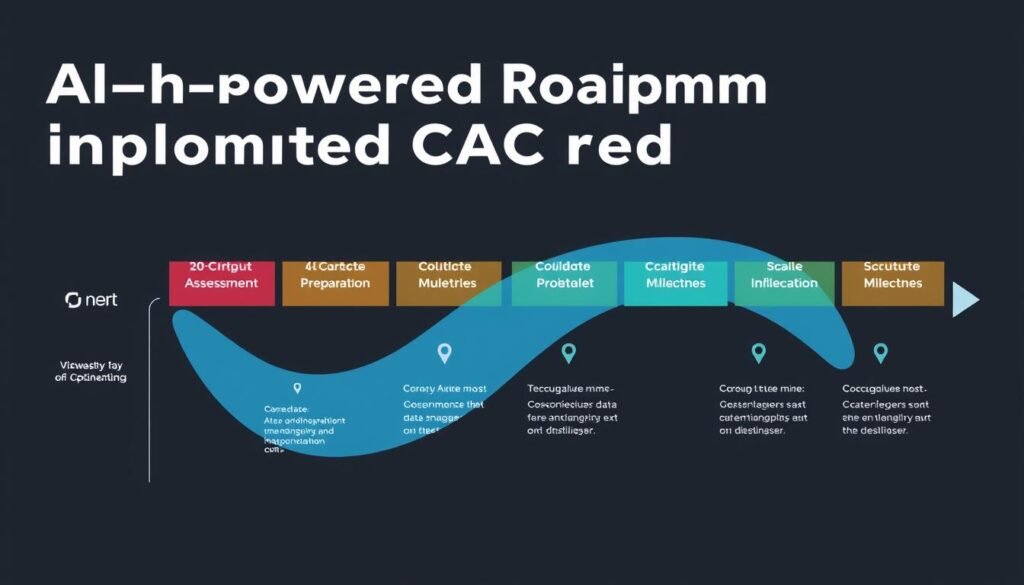 Implementing AI for customer acquisition cost reduction doesn’t require a complete overhaul of your marketing stack. You can start with focused pilot projects that deliver quick wins while building toward a comprehensive AI-powered acquisition strategy.
Phase 1: Assessment and Planning (2-4 Weeks)
- Audit current CAC – Calculate your baseline customer acquisition cost by channel and segment
- Identify high-impact opportunities – Determine which AI applications will deliver the greatest CAC reduction
- Assess data readiness – Evaluate the quality and accessibility of your customer and marketing data
- Define success metrics – Establish clear KPIs for measuring AI implementation success
Phase 2: Pilot Implementation (4-8 Weeks)
- Select a focused use case – Begin with one high-impact AI application (e.g., predictive lead scoring)
- Choose the right technology – Select AI tools that integrate with your existing marketing stack
- Implement data connections – Ensure clean data flows between systems
- Run controlled tests – Compare AI-driven results against traditional methods
Phase 3: Scaling and Optimization (Ongoing)
- Expand successful pilots – Roll out effective AI applications across more channels and segments
- Integrate AI components – Connect different AI applications for compound benefits
- Build internal capabilities – Train your team to work effectively with AI tools
- Continuously measure and optimize – Regularly review performance and refine your approach
Quick Win Opportunity: Start with Google and Meta AI Tools
Both Google Ads and Meta Advertising platforms offer built-in AI optimization tools that can deliver immediate CAC improvements with minimal implementation effort. Begin with automated bidding strategies and AI-powered audience targeting to see quick results while building more sophisticated capabilities.Measuring the Impact of AI on Customer Acquisition Cost
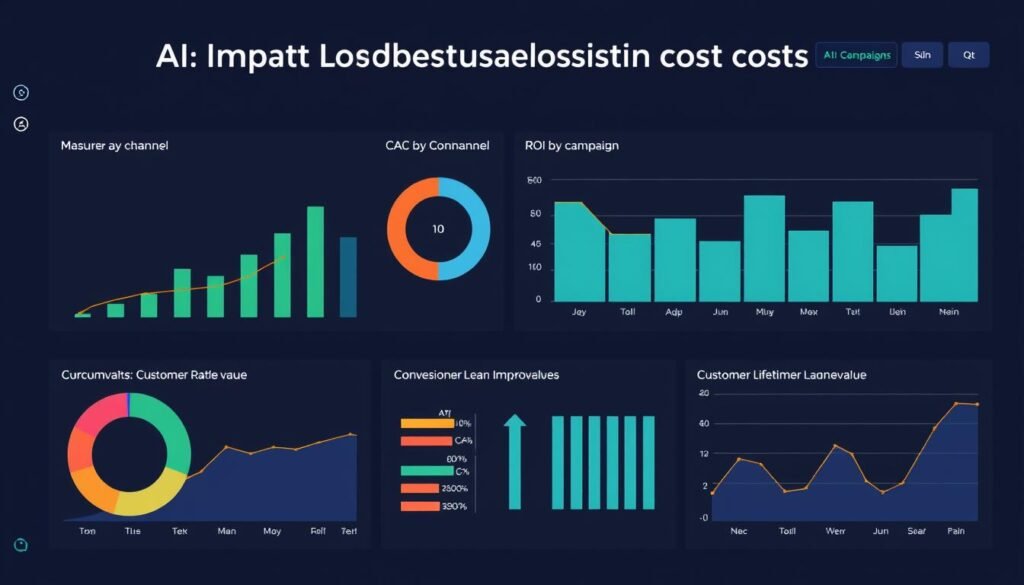 To ensure your AI implementation is delivering real business value, you need to track the right metrics before, during, and after implementation. These key performance indicators will help you quantify the impact of AI on your customer acquisition costs.
| Metric | Description | Calculation | Target Improvement |
| Overall CAC | Total cost to acquire a new customer | Total marketing & sales costs ÷ New customers acquired | 25-40% reduction |
| Channel-Specific CAC | Acquisition cost by marketing channel | Channel spend ÷ Customers acquired through channel | 30-50% reduction |
| Conversion Rate | Percentage of prospects who become customers | Conversions ÷ Total visitors × 100 | 40-80% increase |
| CAC:LTV Ratio | Relationship between acquisition cost and customer value | Customer Lifetime Value ÷ CAC | 3:1 or better |
| Time to Payback CAC | Months required to recover acquisition cost | CAC ÷ Monthly customer revenue | 30-50% reduction |
Creating a CAC Measurement Dashboard
Develop a comprehensive dashboard that tracks these metrics over time, allowing you to visualize the impact of your AI implementation. Your dashboard should include:- Before/after comparisons – Clear visualization of metrics before and after AI implementation
- Channel breakdown – CAC analysis by individual marketing channels
- Trend analysis – Performance changes over time to identify long-term impact
- ROI calculation – Return on investment for your AI implementation costs
“The most successful AI implementations for CAC reduction are those that establish clear baseline metrics and continuously measure performance improvements against these benchmarks.”
Real-World Success Stories: AI-Driven CAC Reduction
E-Commerce Retailer
 Challenge: Rising PPC costs and declining ROAS were making customer acquisition unsustainable.
Solution: Implemented AI-powered audience targeting, dynamic creative optimization, and predictive bidding.
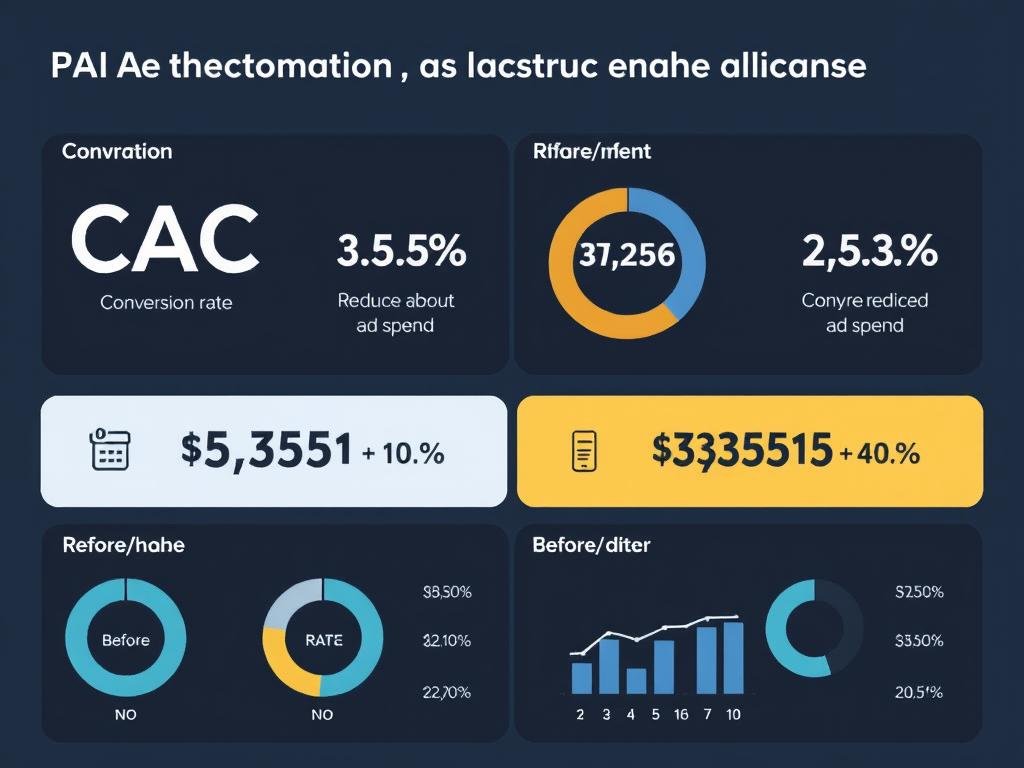
Results: 42% reduction in CAC, 35% increase in conversion rates, and 68% improvement in ROAS within 90 days.
Challenge: Rising PPC costs and declining ROAS were making customer acquisition unsustainable.
Solution: Implemented AI-powered audience targeting, dynamic creative optimization, and predictive bidding.
Results: 42% reduction in CAC, 35% increase in conversion rates, and 68% improvement in ROAS within 90 days.
B2B Software Company
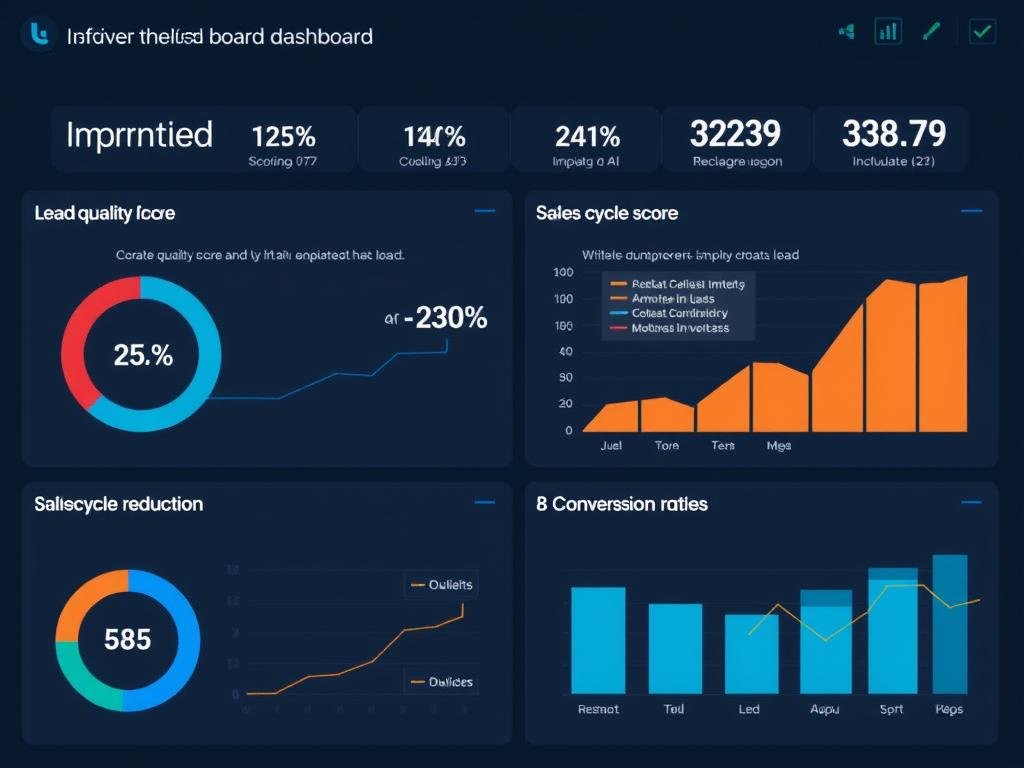 Challenge: Sales team was spending too much time on low-quality leads, increasing CAC.
Solution: Deployed AI-powered lead scoring and chatbot qualification system.
Results: 38% reduction in CAC, 45% shorter sales cycles, and 52% increase in sales team productivity.
Challenge: Sales team was spending too much time on low-quality leads, increasing CAC.
Solution: Deployed AI-powered lead scoring and chatbot qualification system.
Results: 38% reduction in CAC, 45% shorter sales cycles, and 52% increase in sales team productivity.
Financial Services Provider
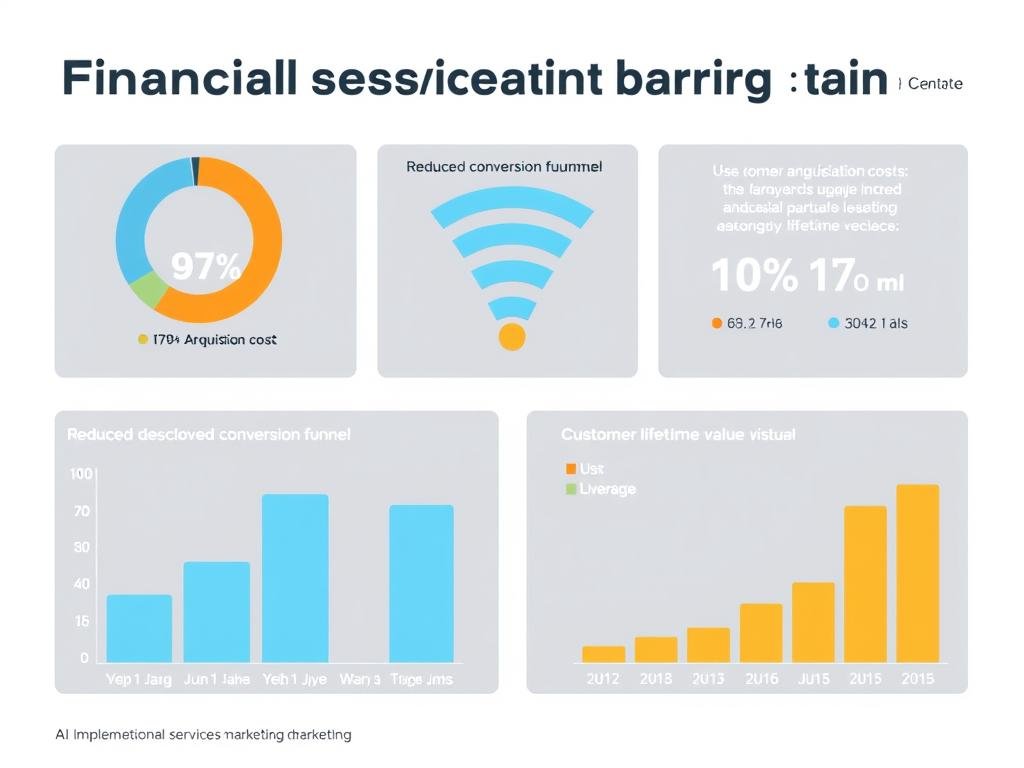 Challenge: Strict compliance requirements limited personalization capabilities.
Solution: Implemented AI-powered compliant personalization and predictive analytics.
Results: 31% reduction in CAC, 28% increase in application completion rates, and 47% higher customer lifetime value.
Challenge: Strict compliance requirements limited personalization capabilities.
Solution: Implemented AI-powered compliant personalization and predictive analytics.
Results: 31% reduction in CAC, 28% increase in application completion rates, and 47% higher customer lifetime value.
Conclusion: The Competitive Advantage of AI-Driven CAC Reduction
 Artificial intelligence has transformed customer acquisition from an art of guesswork into a science of precision. By implementing the AI strategies outlined in this guide, you can achieve significant reductions in customer acquisition cost while improving targeting accuracy, conversion rates, and overall marketing ROI.
The businesses gaining competitive advantage today are those that recognize AI isn’t just a futuristic concept but a practical tool for solving real marketing challenges. Every day you delay implementation is another day of inefficient spending and missed opportunities.
Artificial intelligence has transformed customer acquisition from an art of guesswork into a science of precision. By implementing the AI strategies outlined in this guide, you can achieve significant reductions in customer acquisition cost while improving targeting accuracy, conversion rates, and overall marketing ROI.
The businesses gaining competitive advantage today are those that recognize AI isn’t just a futuristic concept but a practical tool for solving real marketing challenges. Every day you delay implementation is another day of inefficient spending and missed opportunities.
Key Takeaways
- AI-powered personalization can increase conversion rates by 25% or more, directly reducing CAC
- Predictive analytics enables precision targeting of high-value prospects, eliminating wasted ad spend
- AI chatbots qualify leads 24/7 at a fraction of the cost of human agents
- Automated A/B testing optimizes landing pages continuously, improving conversion efficiency
- AI-enhanced retargeting focuses budget on prospects most likely to convert
Ready to Transform Your Customer Acquisition Strategy?
Our AI marketing experts can analyze your current acquisition costs and develop a customized implementation plan to reduce CAC by 25-40%.
Schedule Your Free ConsultationFrequently Asked Questions About AI and Customer Acquisition Cost
How quickly can I expect to see CAC reduction after implementing AI?
Most businesses begin seeing measurable improvements within 30-60 days of implementation. Simple applications like AI-powered bidding optimization can show results in as little as two weeks, while more complex implementations like predictive lead scoring may take 60-90 days to reach full effectiveness. The key is establishing clear baseline metrics before implementation so you can accurately measure improvements.
Do I need a data science team to implement AI for CAC reduction?
No, most modern AI marketing tools are designed for marketers, not data scientists. Many platforms offer user-friendly interfaces and pre-built models that require minimal technical expertise. For more advanced implementations, you might consider partnering with specialized agencies or consultants rather than building an in-house data science team.
How much does it cost to implement AI for customer acquisition?
Implementation costs vary widely based on your specific needs and existing technology stack. Many businesses start with AI features already included in their current marketing platforms (like Google’s Smart Bidding or Facebook’s automated audience targeting) at no additional cost. Dedicated AI marketing platforms typically range from 0-,000 per month depending on scale and capabilities. The ROI typically justifies the investment, with most businesses seeing positive returns within 3-6 months.
Will AI completely replace human marketers?
No, AI augments human capabilities rather than replacing them. AI excels at data analysis, pattern recognition, and optimization tasks, but human marketers remain essential for strategy development, creative direction, and relationship building. The most effective approach combines AI’s analytical power with human creativity and emotional intelligence.
How does AI handle privacy concerns in customer acquisition?
Modern AI marketing platforms are designed to work within privacy regulations like GDPR and CCPA. Many use anonymized or aggregated data rather than personal information. Additionally, first-party data strategies (using data collected directly from your own customers with their consent) are becoming increasingly important as third-party cookies phase out. When implementing AI, always prioritize transparent data practices and ensure your solutions comply with relevant privacy regulations.