


The first days at a new job set the tone for an employee’s entire journey with your company. Yet traditional onboarding often feels like navigating a maze of paperwork, information overload, and disconnected processes. What if AI could transform this critical experience into something truly exceptional? This article explores how artificial intelligence is revolutionizing employee onboarding—automating tedious tasks, personalizing experiences, and helping new hires feel welcomed, informed, and ready to contribute from day one.
Common Pain Points in Traditional Onboarding
Before exploring AI solutions, let’s identify what makes traditional onboarding so challenging for both HR teams and new hires. These friction points not only create administrative headaches but can significantly impact employee retention and time-to-productivity.
Paperwork Overload
The average onboarding process involves dozens of forms, signatures, and data entry points. HR teams spend countless hours managing this paperwork, while new hires feel overwhelmed by the administrative burden on their first days. This focus on documentation often overshadows more meaningful welcome activities.

Inconsistent Training Experiences
When onboarding relies heavily on individual managers or team members, the quality and consistency of training varies dramatically. Some new employees receive comprehensive guidance, while others are left to figure things out on their own. This inconsistency leads to knowledge gaps and uneven performance across teams.

Lack of Personalization
One-size-fits-all onboarding fails to address the unique needs, backgrounds, and learning styles of individual employees. Generic welcome packets and standardized training modules often contain irrelevant information while missing critical role-specific guidance. This approach extends the learning curve and delays productivity.

Slow Response Times
New hires typically have numerous questions during their first weeks, but getting timely answers can be challenging. When HR teams and managers are busy, simple queries about benefits, policies, or procedures can take days to resolve. This delay creates frustration and impedes the ability to perform effectively.

Transform Your Onboarding Process
Tired of these common onboarding challenges? Our AI-Powered Onboarding Checklist Template helps you identify opportunities to streamline your process, improve the employee experience, and boost retention rates.
Download Free TemplateHow AI Transforms the Onboarding Experience
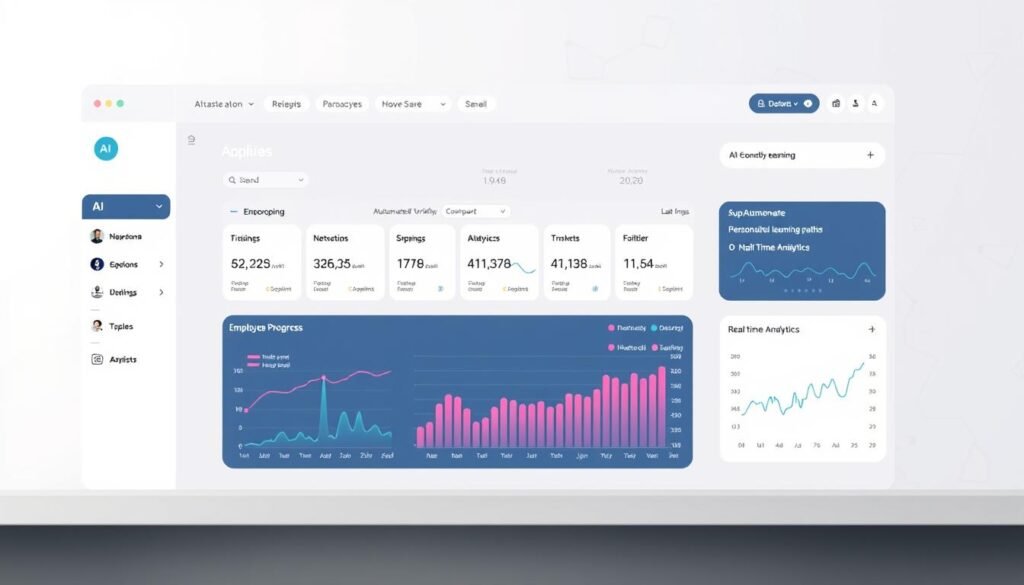
Artificial intelligence is revolutionizing employee onboarding by addressing these pain points through automation, personalization, and data-driven insights. Rather than removing the human element, AI enhances it by freeing HR teams to focus on meaningful connections while ensuring consistency and quality across the onboarding journey.
Automating Administrative Tasks
AI significantly reduces the administrative burden of onboarding by automating repetitive tasks and paperwork processing. This automation not only saves time but also minimizes errors and ensures compliance with organizational policies and regulations.
Document Processing
AI-powered systems can pre-populate forms with existing employee data, automatically route documents for signatures, and extract information from submitted paperwork. This reduces manual data entry by up to 90% and ensures all required documentation is completed accurately and on time.
System Access and Setup
AI workflows can automatically provision email accounts, software licenses, and system access based on role requirements. This ensures new hires have everything they need on day one, eliminating the common frustration of waiting for IT setup and reducing security risks from manual provisioning errors.
Personalizing the Learning Journey
One of AI’s most powerful applications in onboarding is creating personalized learning experiences that adapt to each new hire’s role, background, and learning style. This tailored approach accelerates time-to-productivity and increases engagement.
Adaptive Content Sequencing
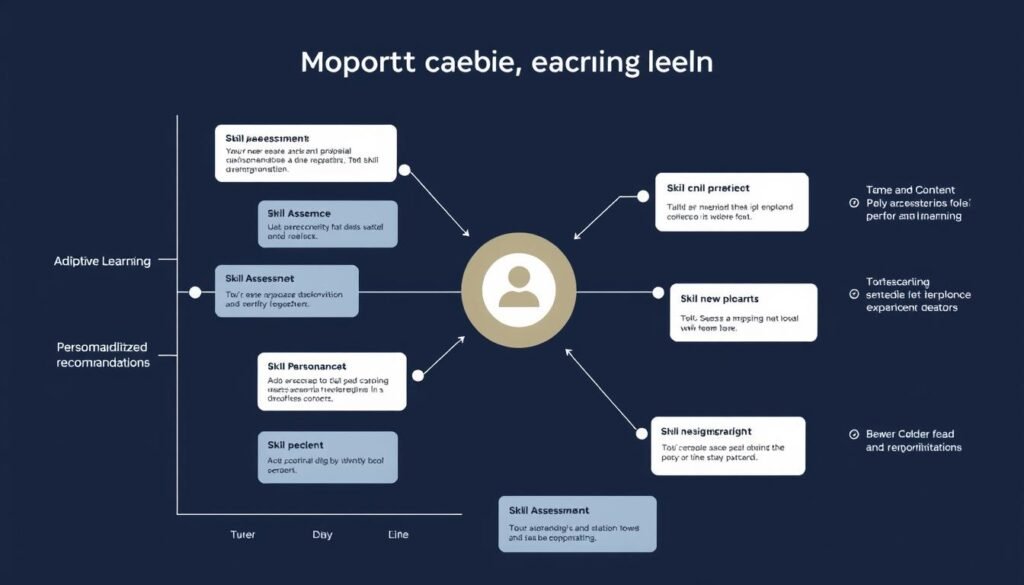
AI analyzes a new hire’s role, department, prior experience, and even learning preferences to create customized training sequences. A software engineer might receive technical documentation first, while a marketing coordinator might start with brand guidelines. This relevance keeps employees engaged and focused on what matters most for their specific role.
Skill Gap Analysis
AI can assess a new employee’s existing skills through interactive assessments and recommend targeted training to address specific gaps. This prevents the common problem of forcing experienced hires to sit through training for skills they already possess while ensuring they receive the specific guidance they need.
Providing 24/7 Support
New hires have questions at all hours, especially in global organizations spanning multiple time zones. AI-powered assistants ensure they never feel stranded without support.
AI Chatbots and Virtual Assistants
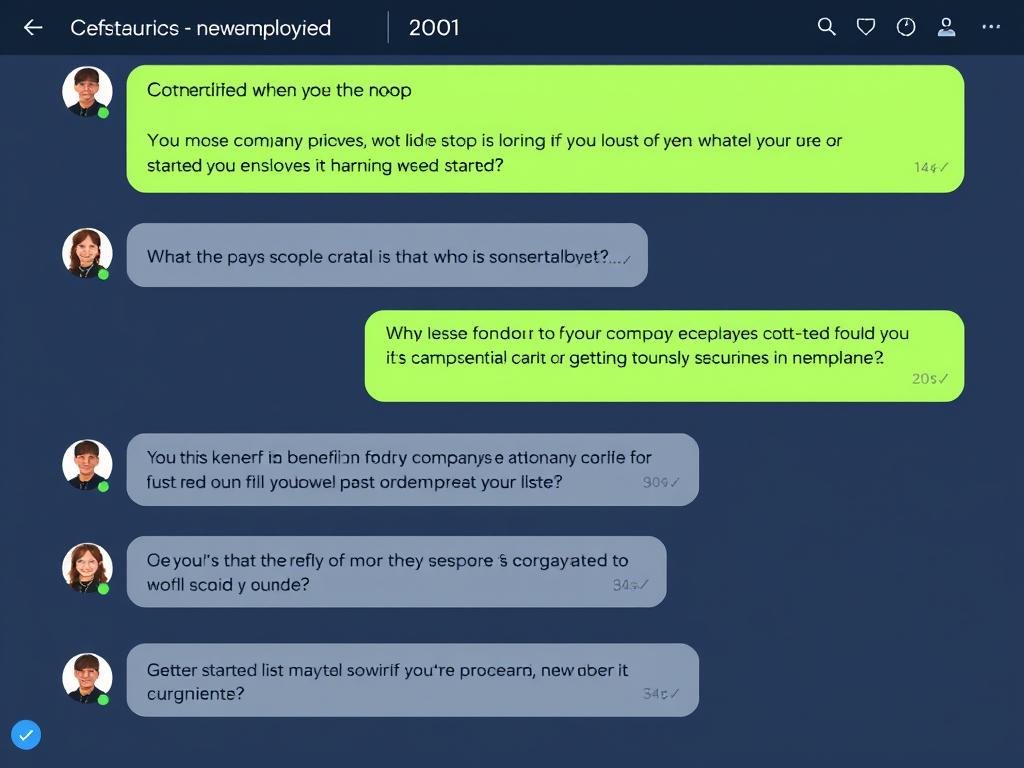
Intelligent chatbots can answer common questions about policies, benefits, procedures, and company information instantly, at any time of day. These assistants learn from each interaction, becoming more helpful over time and escalating complex issues to human HR team members when necessary.
Contextual Knowledge Delivery
AI systems can proactively deliver information based on a new hire’s onboarding stage, upcoming meetings, or detected knowledge gaps. For example, the system might provide team bios before a department meeting or explain expense policies the day before a business trip, ensuring information arrives exactly when it’s needed.
Real-World Applications of AI in Onboarding
Organizations across industries are already implementing AI-powered onboarding solutions with impressive results. These practical applications demonstrate how artificial intelligence is creating more efficient, engaging, and effective onboarding experiences.
Automated Documentation and Compliance
According to a 2024 report by Deloitte, companies using AI-powered document processing in onboarding reduced administrative time by 62% and compliance errors by 37%. These systems use intelligent form processing to extract information from IDs, certificates, and other documents, automatically populating HR systems and flagging any missing or inconsistent information.
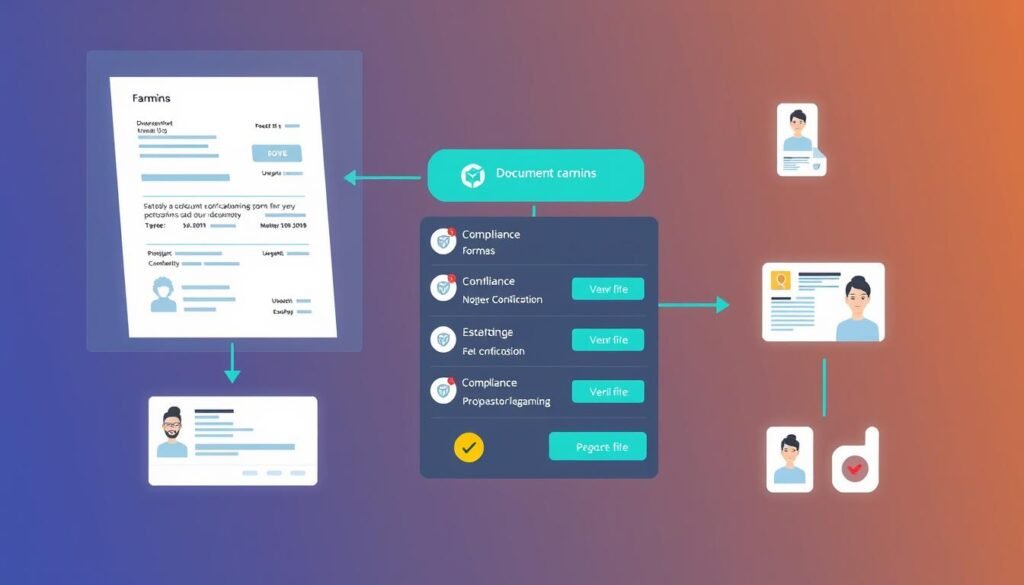
For example, a global financial services firm implemented AI document processing for new hire paperwork and reduced onboarding completion time from 5 days to less than 24 hours while ensuring 100% compliance with regulatory requirements across 15 countries.
Intelligent Onboarding Assistants
AI-powered virtual assistants are transforming how new hires navigate their first weeks. These intelligent chatbots provide instant answers to common questions, guide employees through required tasks, and learn from each interaction to become more helpful over time.
A tech company with over 10,000 employees implemented an AI onboarding assistant that handles over 78% of new hire questions without human intervention. The system reduced support tickets to HR by 65% while increasing new employee satisfaction scores by 42%. New hires particularly valued the ability to get immediate answers outside of business hours.
Personalized Learning Paths
AI algorithms are creating truly personalized training experiences by analyzing each employee’s role, prior experience, learning style, and even engagement patterns. These systems adapt content delivery in real-time, ensuring relevant information is presented at the optimal pace.
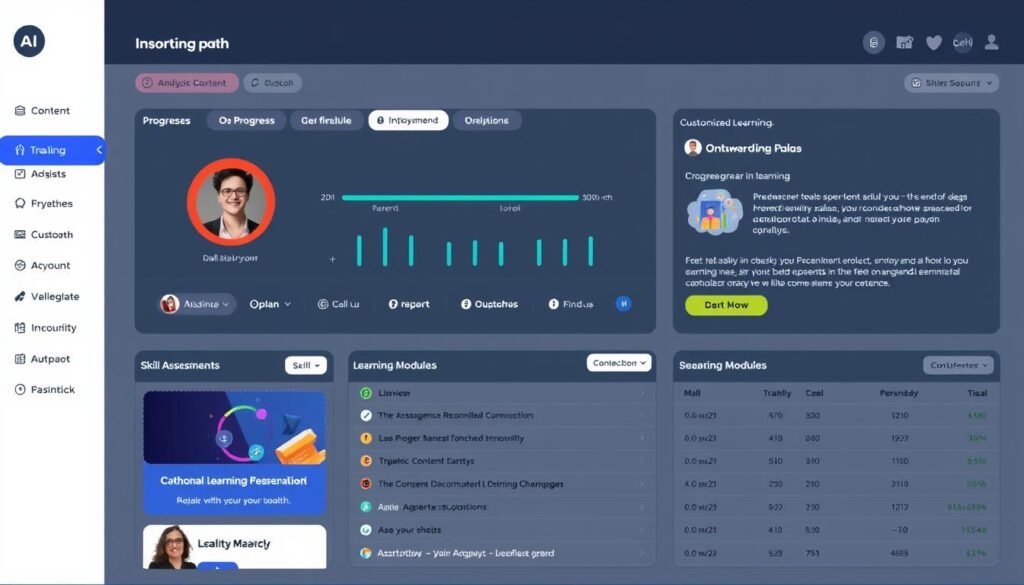
A healthcare organization implemented AI-driven personalized learning for clinical staff onboarding and saw time-to-competency decrease by 35% while knowledge retention improved by 28%. The system identified knowledge gaps through subtle assessment techniques and automatically adjusted training content to address individual needs.
Ready to Implement AI in Your Onboarding?
Our comprehensive AI Onboarding Checklist Template helps you identify opportunities, plan implementation, and measure success. Start transforming your onboarding experience today.
Get Your Free TemplateMeasurable Benefits of AI-Powered Onboarding
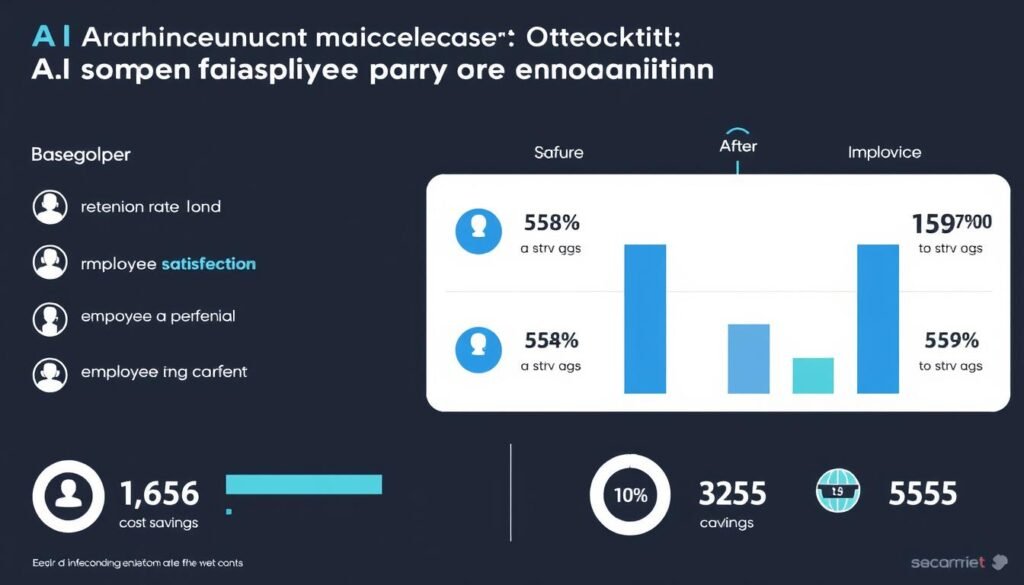
The impact of AI on employee onboarding extends far beyond convenience—it delivers measurable improvements in efficiency, employee satisfaction, and business outcomes. Organizations implementing AI-powered onboarding are seeing significant returns on their investment.
Reduced Time-to-Productivity
AI-powered onboarding accelerates how quickly new hires become fully productive contributors. By delivering personalized training, automating administrative tasks, and providing instant support, these systems remove common barriers to productivity.
- Average reduction in time-to-productivity: 34%
- New hires reach performance benchmarks 2.5x faster
- Manager time spent on basic onboarding reduced by 60%
Improved Retention Rates
Effective onboarding has a direct impact on employee retention, and AI enhances this critical process. When new hires feel supported, informed, and valued from day one, they’re more likely to develop long-term commitment to the organization.
- Organizations with AI onboarding see 82% higher new hire retention
- First-year turnover reduced by 40% on average
- Employee engagement scores 37% higher after AI implementation
Cost and Time Savings
AI dramatically reduces the administrative burden of onboarding, freeing HR teams to focus on strategic initiatives and meaningful human connections. These efficiency gains translate to significant cost savings.
- Administrative costs reduced by $3,000+ per new hire
- HR time spent on onboarding decreased by 65%
- Paper consumption and processing costs eliminated
- Average ROI of 300% within first year of implementation
Implementation Best Practices
Successfully integrating AI into your onboarding process requires thoughtful planning and execution. These best practices will help you maximize the benefits while avoiding common pitfalls.
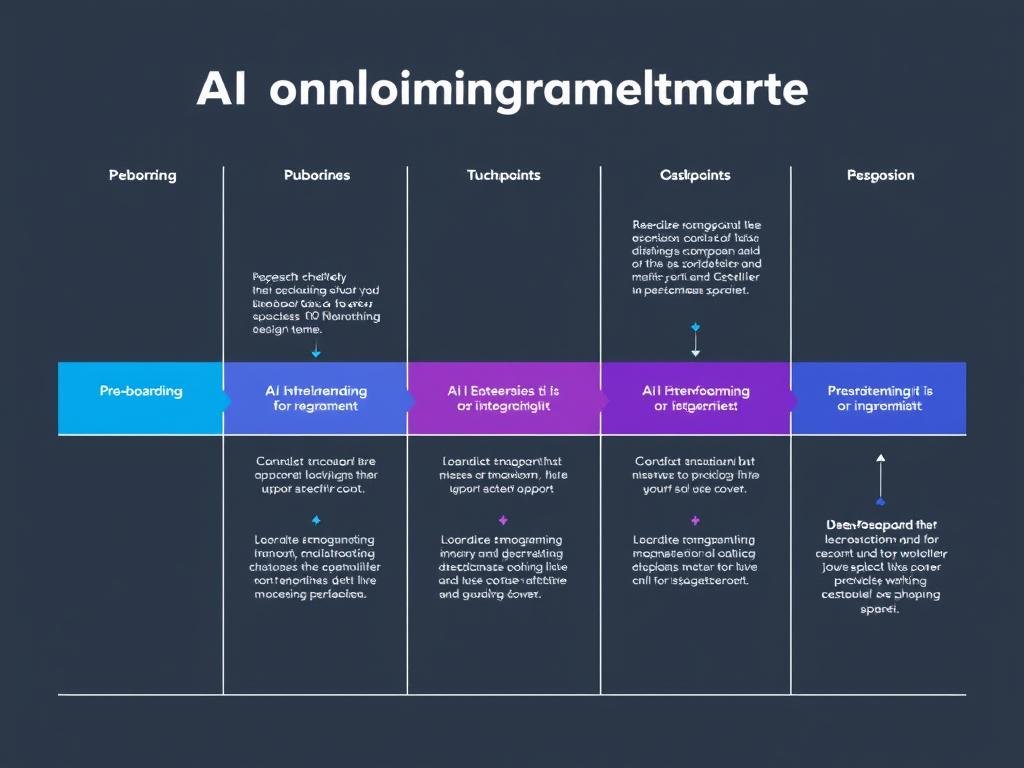
Start with a Process Audit
Before implementing AI solutions, thoroughly map your current onboarding process to identify pain points, redundancies, and opportunities for improvement. Document every step from offer acceptance to full integration, noting where delays, confusion, or inefficiencies typically occur.

This audit serves as your roadmap for AI implementation, ensuring you address real problems rather than implementing technology for its own sake. Involve stakeholders from HR, IT, department managers, and recent hires to gain comprehensive insights.
Focus on Employee Experience
While efficiency gains are important, the primary goal should be enhancing the employee experience. Design your AI implementation with the new hire’s journey in mind, considering their needs, questions, and emotional state at each stage of onboarding.
Create personas representing different types of new hires (remote workers, executives, entry-level staff) and map their ideal onboarding journeys. Use these personas to guide AI implementation decisions and ensure the technology serves human needs rather than the reverse.
Maintain the Human Connection
AI should enhance human interaction, not replace it. Design your onboarding process to use AI for administrative tasks, basic information delivery, and routine support, while preserving meaningful human connections for cultural integration, relationship building, and complex guidance.
Consider implementing a “high-tech, high-touch” approach where AI handles the logistics while human team members focus on welcome activities, mentorship, and cultural immersion. This balanced approach delivers the best of both worlds—efficiency and personal connection.
Measure and Refine
Establish clear metrics to evaluate your AI onboarding implementation, including both efficiency measures (time saved, costs reduced) and experience metrics (employee satisfaction, engagement scores, retention rates). Collect feedback from new hires, HR teams, and managers to identify areas for improvement.
Use AI’s data collection capabilities to continuously refine the onboarding process. Many AI systems can identify patterns in user questions, engagement levels, and completion rates, providing insights for ongoing optimization.
Implement AI Onboarding with Confidence
Our AI Onboarding Implementation Checklist walks you through each step of planning, launching, and optimizing your AI-powered onboarding process. Download it now to ensure a smooth transition.
Download Implementation GuideAddressing Common Concerns About AI in Onboarding
While the benefits of AI in onboarding are compelling, organizations often have legitimate concerns about implementation. Understanding and addressing these concerns is essential for successful adoption.
Concern: Loss of Human Touch
Many HR professionals worry that AI will make onboarding feel impersonal and mechanical, undermining the relationship-building that’s critical during this phase.
Solution:
- Use AI to handle administrative tasks, freeing human team members to focus on meaningful connections
- Design “blended” onboarding that combines AI efficiency with scheduled human touchpoints
- Implement AI that facilitates human connections, such as smart matching for mentorship programs
Concern: Data Privacy and Security
Onboarding involves sensitive personal information, raising legitimate concerns about data protection when AI systems are involved.
Solution:
- Choose AI solutions with strong security certifications (SOC 2, ISO 27001)
- Implement clear data governance policies for AI systems
- Ensure transparency with new hires about what data is collected and how it’s used
- Regularly audit AI systems for compliance with privacy regulations
Concern: Implementation Complexity
Organizations often worry that implementing AI will require significant technical expertise and disrupt existing processes.
Solution:
- Start with modular solutions that address specific pain points
- Choose cloud-based platforms that integrate with existing HR systems
- Implement in phases, beginning with high-impact, low-complexity applications
- Partner with vendors offering implementation support and training
Concern: Cost and ROI
Stakeholders may question whether AI implementation costs will deliver sufficient return on investment.
Solution:
- Calculate comprehensive ROI including time savings, error reduction, and retention improvements
- Consider subscription-based solutions with lower upfront costs
- Start with pilot programs to demonstrate value before full-scale implementation
- Track and report on both tangible and intangible benefits

Future Trends in AI-Powered Onboarding
The integration of AI in employee onboarding continues to evolve rapidly. Understanding emerging trends can help organizations prepare for the next generation of onboarding experiences.
Immersive Virtual Experiences
AI-powered virtual and augmented reality is creating immersive onboarding experiences that go beyond traditional training. New hires can practice skills in realistic simulations, tour facilities remotely, and experience company culture through interactive scenarios.

These technologies are particularly valuable for organizations with remote workforces or high-risk environments where hands-on training is challenging. AI enhances these experiences by adapting scenarios based on the user’s actions and learning needs.
Predictive Analytics for Success
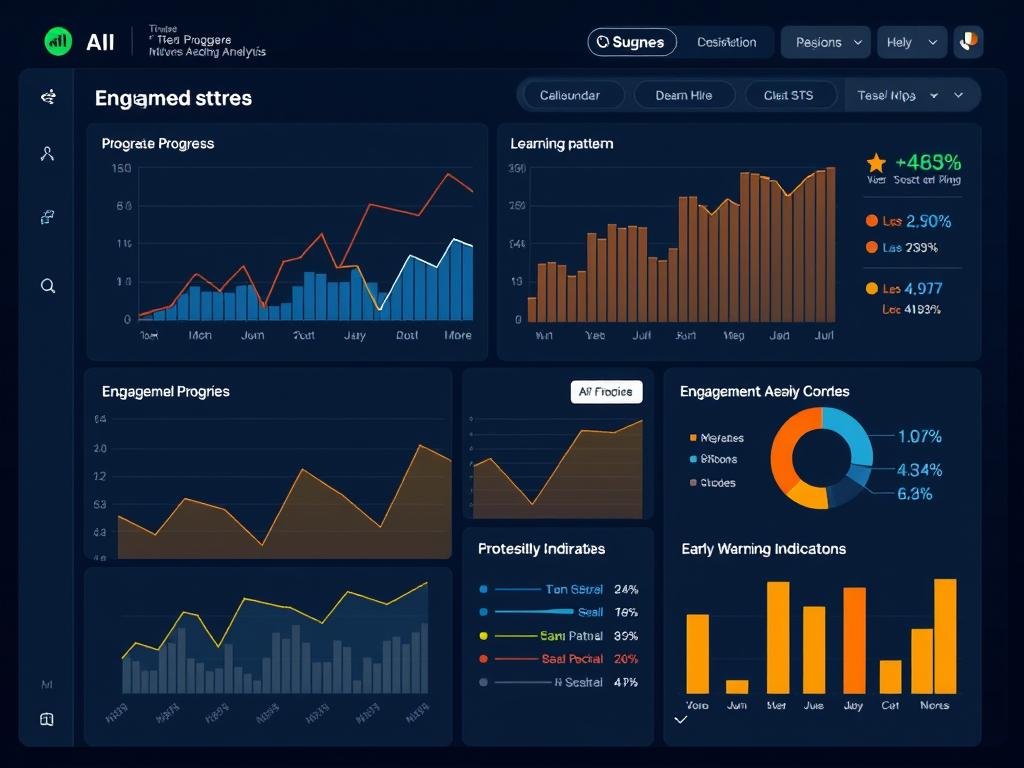
Advanced AI systems are beginning to predict new hire success and potential challenges based on engagement patterns during onboarding. These insights allow for proactive interventions before issues arise.
For example, the system might identify that an employee is struggling with specific technical concepts based on their interaction with training materials, allowing managers to provide targeted support before performance issues develop.
Continuous Adaptive Onboarding
The traditional concept of onboarding as a finite period is evolving into continuous adaptive learning guided by AI. These systems provide ongoing support that evolves as employees grow in their roles.
AI continuously assesses skills, identifies growth opportunities, and delivers micro-learning moments throughout the employee lifecycle. This approach recognizes that learning doesn’t end after the first 90 days and creates a seamless transition from onboarding to ongoing development.
Conclusion: The Future of Onboarding is Intelligent
AI is transforming employee onboarding from a standardized administrative process into a personalized, engaging experience that sets new hires up for long-term success. By automating routine tasks, delivering personalized learning, providing instant support, and generating actionable insights, AI enables organizations to create onboarding experiences that are both more efficient and more human-centered.
The benefits are clear: faster time-to-productivity, higher retention rates, reduced administrative burden, and improved employee satisfaction. As AI technology continues to evolve, the possibilities for creating exceptional onboarding experiences will only expand.
Organizations that embrace AI-powered onboarding gain a significant competitive advantage in attracting and retaining top talent. In today’s challenging labor market, creating a seamless transition from candidate to engaged team member isn’t just nice to have—it’s a strategic imperative.

Transform Your Onboarding Experience Today
Ready to revolutionize your approach to welcoming new team members? Our comprehensive AI Onboarding Checklist Template provides a step-by-step framework for implementing AI solutions that enhance efficiency, personalization, and employee satisfaction.
Download Your Free Template