

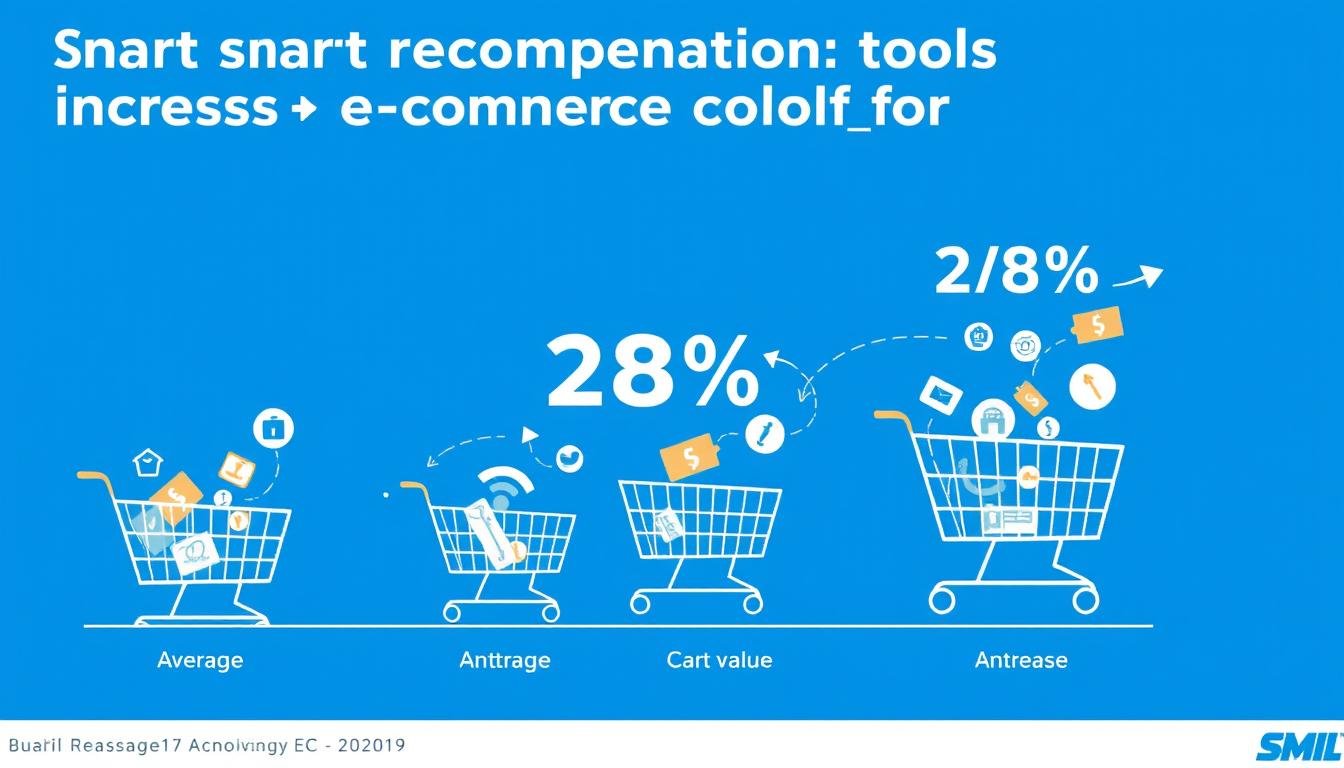

In today’s competitive e-commerce landscape, the difference between thriving and merely surviving often comes down to how well you can maximize the value of each customer interaction. Smart recommendation tools have emerged as powerful allies in this quest, with studies showing they can increase average order value by up to 28% and boost conversion rates by 4.5 times. These intelligent systems analyze customer behavior, purchase history, and browsing patterns to suggest relevant products that complement what shoppers are already considering.
By implementing the right recommendation engine, you’re not just increasing revenue—you’re creating a more personalized shopping experience that keeps customers engaged and coming back. In this comprehensive guide, we’ll explore the five most effective smart recommendation tools that can transform your e-commerce store’s performance, provide detailed comparisons of their features and pricing, and offer practical implementation strategies to maximize your return on investment.
Why Smart Recommendation Tools Are Essential for E-commerce Success
Before diving into specific tools, it’s important to understand the tangible impact recommendation engines can have on your bottom line. The data speaks for itself:
Increased Average Order Value
Recommendation engines drive a 28% increase in cart value by suggesting complementary products that enhance the customer’s primary purchase intention.
Higher Conversion Rates
Stores using personalized recommendations see conversion rates up to 4.5 times higher than those without, turning browsers into buyers more effectively.
Improved Customer Retention
Personalized experiences lead to a 22% increase in customer lifetime value, as shoppers appreciate stores that understand their preferences.
Beyond these metrics, smart recommendation tools solve several critical challenges for e-commerce businesses:
- Reducing decision fatigue by guiding customers to relevant products
- Decreasing bounce rates by keeping shoppers engaged with personalized suggestions
- Minimizing the impact of large product catalogs that can overwhelm customers
- Creating cross-selling and upselling opportunities that feel helpful rather than pushy
- Building customer loyalty through increasingly personalized shopping experiences
Ready to Boost Your Store’s Performance?
Don’t leave money on the table. Implement a smart recommendation engine and see your average order value grow.
Explore Top ToolsComparison of Top 5 Smart Recommendation Tools
To help you make an informed decision, we’ve analyzed the most effective recommendation engines based on key performance factors, integration capabilities, and value for money.
| Tool | Best For | Starting Price | Key Features | Integration Capabilities | Average Order Value Impact |
| Nosto | Visual merchandising and complete personalization | 2.5-4% of generated sales | AI-powered recommendations, visual merchandiser, A/B testing | Shopify, Magento, WooCommerce, BigCommerce | 25-30% increase |
| Dynamic Yield | Enterprise-level personalization | Custom pricing | Deep learning algorithms, omnichannel personalization, advanced testing | All major platforms, custom API | 20-35% increase |
| Clerk.io | Cookieless AI personalization | €99/month per module | 20+ recommendation logics, real-time analytics, email integration | Shopify, Magento, WooCommerce, custom | 35% increase |
| Rep AI | Conversational recommendations | $12/month (scales with traffic) | AI chatbot, context-aware suggestions, mobile optimization | Shopify, Klaviyo, Yotpo, Instagram | 16-22% increase |
| Emarsys | Omnichannel marketing automation | $50,000+/year | Predictive AI, unified customer profiles, 15+ recommendation types | Enterprise e-commerce platforms, CRM systems | 15-25% increase |
1. Nosto: Best for Visual Merchandising and Complete Personalization
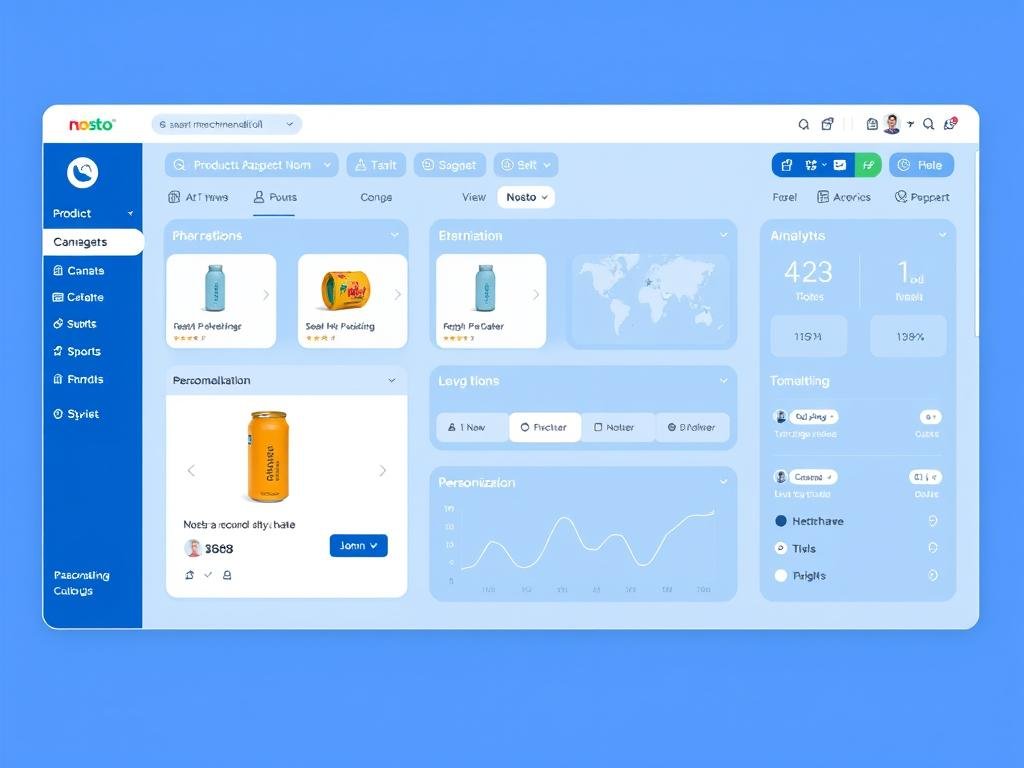
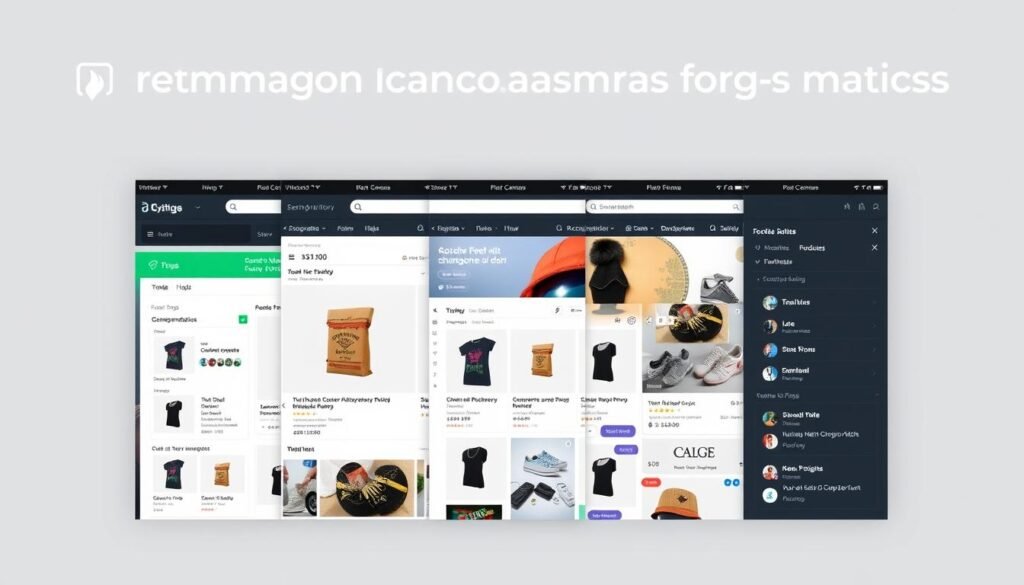
Nosto stands out as a comprehensive personalization platform that excels in creating visually appealing, highly relevant product recommendations. The platform tracks detailed customer behavior—including browsing patterns, purchase history, and time spent viewing specific products—to power its AI-driven recommendation engine.
Key Features and Functionalities
- Visual AI Technology: Identifies and recommends products based on visual similarities in color, style, and design
- Merchandising Controls: Allows retailers to boost or bury specific products in recommendation placements based on inventory, margins, or seasonal relevance
- A/B Testing: Built-in testing capabilities to optimize recommendation strategies and placement
- Omnichannel Capabilities: Delivers consistent recommendations across web, mobile, and email
- Behavioral Triggers: Creates personalized recommendations based on real-time shopping behavior
Pricing Structure
Nosto employs a performance-based pricing model, typically charging between 2.5-4% of sales generated through their platform. This aligns their success with yours, making it a relatively low-risk investment. Smaller businesses can access an Incubator Plan at $99 monthly that includes core recommendation features.
Integration Capabilities
The platform integrates seamlessly with major e-commerce platforms including Shopify, Magento, WooCommerce, and BigCommerce. It also connects with popular marketing tools like Klaviyo, Mailchimp, and Google Analytics for comprehensive tracking and campaign coordination.
Pros
- Automated merchandising reduces manual work
- Store-wide personalization beyond basic recommendations
- Visual merchandiser tools require minimal technical expertise
- Excellent for fashion, home goods, and visually-driven products
Cons
- Setup may require in-house technical expertise
- New users often find the dashboard overwhelming
- Small stores might struggle with the percentage-based pricing
Success Metrics and Case Study
Fashion retailer JOLYN implemented Nosto’s recommendation engine and saw a 7% increase in overall sales directly attributed to personalized product recommendations. The brand particularly benefited from the visual similarity algorithm, which helped customers discover complementary swimwear pieces based on design elements.
Ready to Implement Visual AI Recommendations?
See how Nosto’s visual merchandising can transform your product discovery experience.
Start Free Trial2. Dynamic Yield: Best for Enterprise-Level Personalization
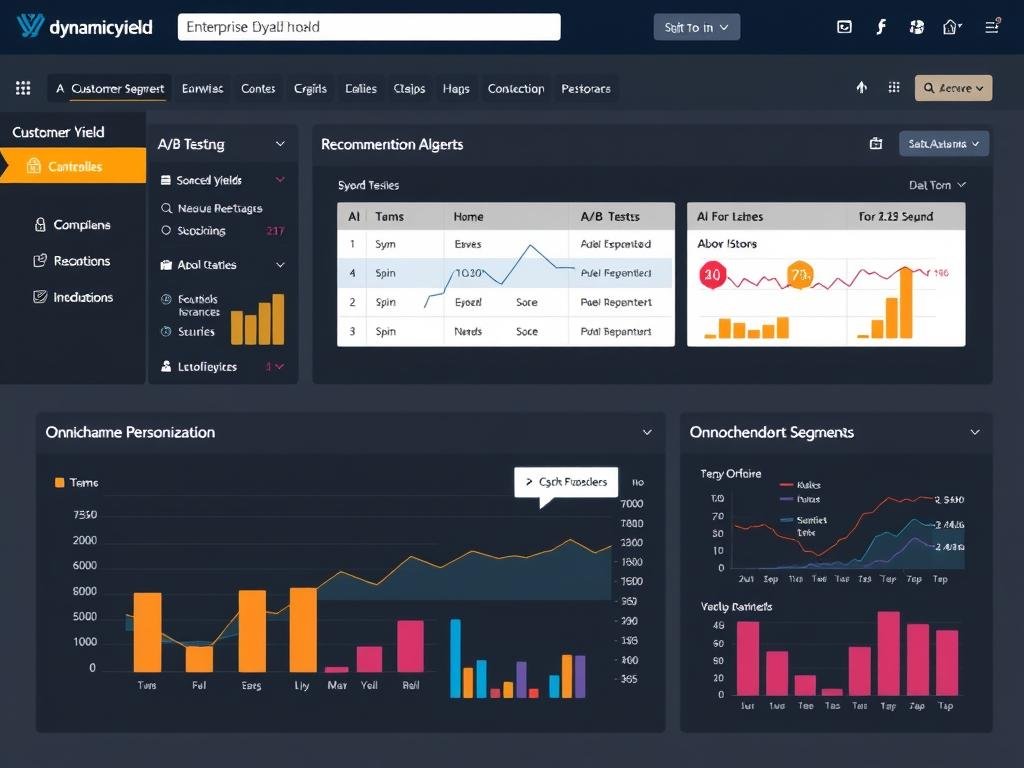
Dynamic Yield offers an enterprise-grade personalization platform designed for large-scale operations that need sophisticated recommendation capabilities across multiple touchpoints. The platform leverages advanced algorithms including deep learning and reinforcement learning to deliver highly accurate product suggestions.
Key Features and Functionalities
- Advanced Algorithm Library: Access to dozens of recommendation strategies from AffinityML to Geo-Based Predictive Targeting
- Comprehensive Testing: Ability to test and optimize any recommendation element with statistical significance
- Dynamic Optimization: Adjusts recommendations in real-time based on inventory, margins, and business rules
- Multi-touchpoint Deployment: Consistent personalization across web, mobile, email, and in-store kiosks
- Detailed Analytics: Granular reporting on recommendation performance by segment, device, and placement
Pricing Structure
Dynamic Yield operates on a custom pricing model based on website traffic, feature requirements, and implementation complexity. Enterprise clients typically invest $50,000+ annually, making it best suited for larger businesses with substantial traffic and revenue.
Integration Capabilities
The platform can handle complex product feeds spanning multiple languages, currencies, and geographies with millions of SKUs. It integrates with all major e-commerce platforms and connects with analytics tools, CRMs, and marketing automation systems for a unified approach to personalization.
Pros
- Highly customizable algorithms for unique business needs
- Works across all marketing and sales channels
- Enterprise-scale capabilities for extensive catalogs
- Advanced testing and optimization features
Cons
- Pricing prohibitive for smaller businesses
- Requires dedicated resources for optimal management
- Implementation complexity suited for larger teams
Success Metrics and Case Study
A global electronics retailer implemented Dynamic Yield’s recommendation engine across their website and mobile app, resulting in a 31% increase in average order value. The company particularly benefited from the platform’s ability to recommend compatible accessories based on primary product specifications and user behavior.
Ready for Enterprise-Grade Personalization?
Discover how Dynamic Yield can transform your customer experience across all touchpoints.
Request Demo3. Clerk.io: Best for Cookieless AI Personalization
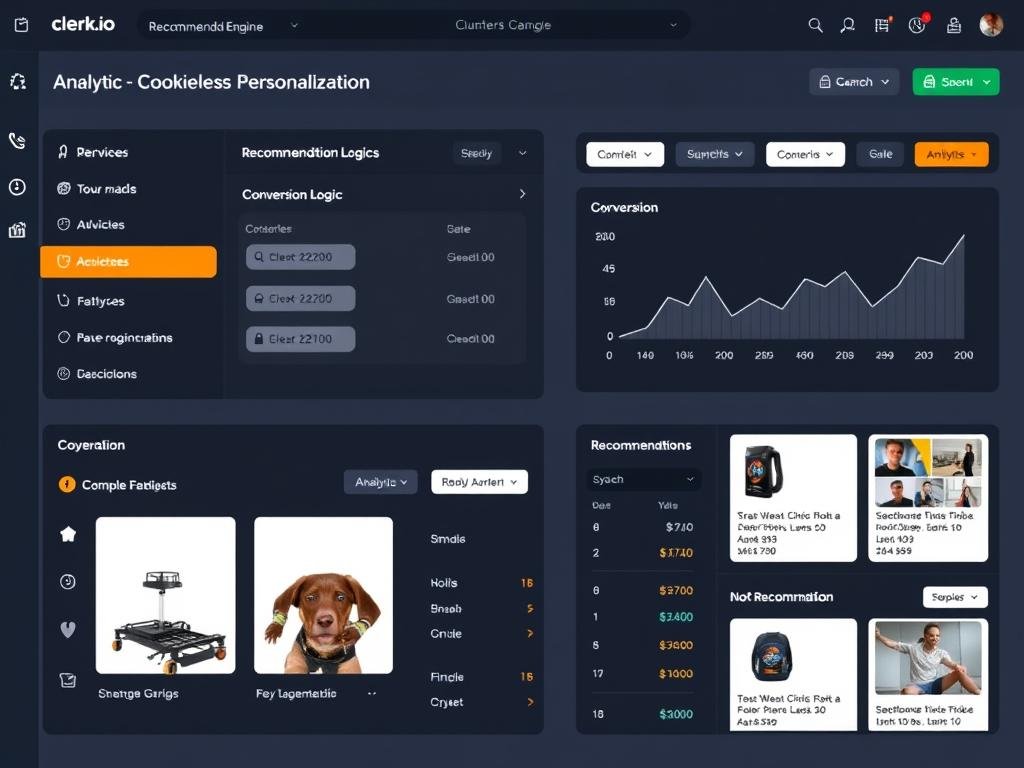
Clerk.io offers a powerful recommendation engine that stands out for its cookieless technology—an increasingly important feature in today’s privacy-focused environment. The platform helps e-commerce businesses connect customers with relevant products through AI-driven personalization that analyzes customer behavior and preferences without relying on third-party cookies.
Key Features and Functionalities
- 20+ Recommendation Logics: From bestsellers and trending products to visitor-specific and complementary suggestions
- Cookieless Technology: Privacy-compliant personalization that works with evolving data regulations
- Immediate Deployment: Starts working right after installation without requiring a learning period
- Dynamic Filters: Automatically shows relevant product attributes to help customers refine search results
- Email Integration: Extends personalized recommendations to email campaigns for consistent experiences
Pricing Structure
Clerk.io uses a modular pricing approach starting at €99 per month per feature (recommendations, search, email, etc.). This allows businesses to select only the components they need. Pricing scales based on API calls, making it suitable for both growing and established stores.
Integration Capabilities
The platform integrates with major e-commerce platforms including Shopify, Magento, and WooCommerce. Setup assistance comes at no extra cost, while advanced support for complex implementations is available at €99 per hour.
Pros
- GDPR-compliant cookieless personalization
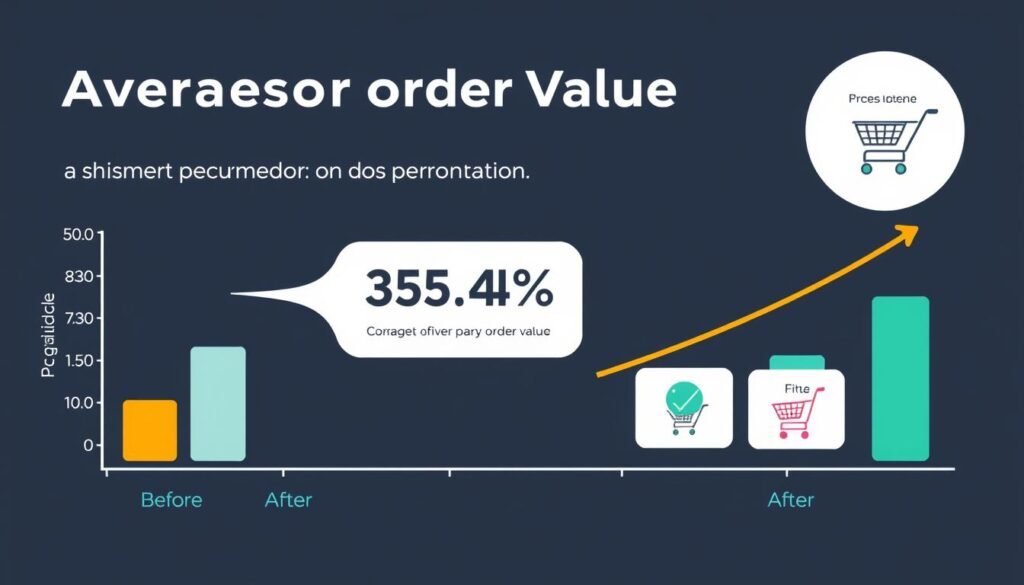
- Proven results (35.4% increase in order value)
- Strong search functionality often praised by users
- Quick setup with immediate results
Cons
- Costs can add up as usage grows
- Some users report integration challenges with Magento
- Modular pricing may be confusing for new users
Success Metrics and Case Study
A mid-sized fashion retailer implemented Clerk.io’s recommendation engine and experienced a 35.4% increase in average order value within three months. The store particularly benefited from the “Most Sold With” logic, which effectively grouped commonly purchased items together to encourage multi-item purchases.
Ready for Cookie-Free Personalization?
See how Clerk.io can increase your average order value while respecting customer privacy.
Try Clerk.io Free4. Rep AI: Best for Conversational Recommendations

Rep AI brings a unique conversational approach to product recommendations that feels natural and engaging. Instead of static suggestion boxes, Rep guides customers through an intelligent chat interface that can suggest products based on real-time conversation, cart contents, and browsing history.
Key Features and Functionalities
- AI Chatbot: Delivers human-like, on-brand assistance 24/7 through natural conversation
- Context-Aware Suggestions: Recommends products based on cart contents, browsing history, and conversation context
- Mobile Optimization: Particularly effective on mobile devices where traditional browsing can feel clunky
- Direct Purchasing: Allows customers to add items to cart directly through the chat interface
- Machine Learning: Improves recommendations over time by learning from every interaction
Pricing Structure
Rep AI offers flexible pricing based on website traffic, with plans starting at just $12 per month for the Sales Assistant functionality. This makes it accessible for small stores while scaling up to enterprise-level solutions ($2,390/month) for high-traffic sites. A free trial is available to test the system with your product catalog.
Integration Capabilities
The platform integrates directly with Shopify through the app store, requiring no custom development. It also connects with popular marketing tools like Klaviyo, Yotpo, Instagram, and Omnisend for comprehensive customer data utilization.
Pros
- Native Shopify integration for seamless setup
- Personalized recommendations through natural conversation
- Available 24/7 without additional staffing costs
- Improves over time through machine learning
Cons
- Effectiveness depends on product information quality
- Best results require some initial configuration
- Primary focus on Shopify (limited options for other platforms)
Success Metrics and Case Study
Luxury jewelry brand Kinn Studios implemented Rep AI to create a high-touch shopping experience that reflected their sophisticated brand image. By using the AI to highlight new launches, assist with product recommendations, and guide customers through sizing details, Kinn achieved a 16% higher average order value through AI-assisted sales.
Ready for Conversational Commerce?
Experience how AI-powered chat can transform your product recommendations.
Start Free Trial5. Emarsys: Best for Omnichannel Marketing Automation
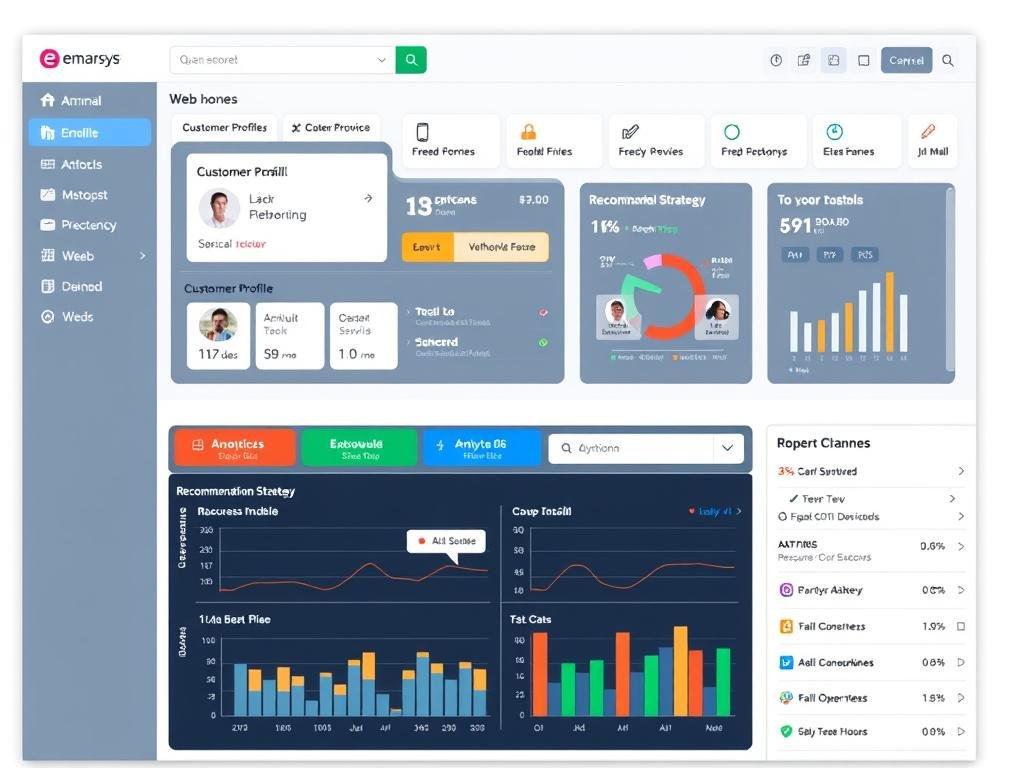
SAP Emarsys provides a comprehensive omnichannel approach to product recommendations as part of its broader marketing automation platform. The system’s AI-powered “Predict” engine serves mid-to-large enterprises that want sophisticated personalization across all customer touchpoints.
Key Features and Functionalities
- Unified Customer Profiles: Merges data from multiple sources into single customer views for better personalization
- 15+ Recommendation Types: From abandoned cart recovery to complementary product suggestions
- Visual Journey Builder: Creates multi-channel campaigns with embedded recommendations
- Predictive Analytics: Uses historical data and AI to anticipate customer needs
- GPT-4 Integration: Leverages advanced language models for more natural recommendation delivery
Pricing Structure
Emarsys uses a custom pricing model based on database size, feature requirements, and implementation complexity. Annual costs typically range from $50,000 to $500,000+ for enterprise setups, positioning it as a premium solution for established businesses with substantial marketing budgets.
Integration Capabilities
The platform integrates with major e-commerce platforms and CRM systems. It offers comprehensive API access for custom integrations and connects with analytics tools for detailed performance tracking across channels.
Pros
- Comprehensive omnichannel capabilities
- Advanced personalization through unified profiles
- AI-powered automation optimizes campaign timing
- Visual campaign builder requires minimal technical skills
Cons
- Complex interface with steep learning curve
- Premium pricing beyond reach of smaller businesses
- Some users report integration challenges
Success Metrics and Case Study
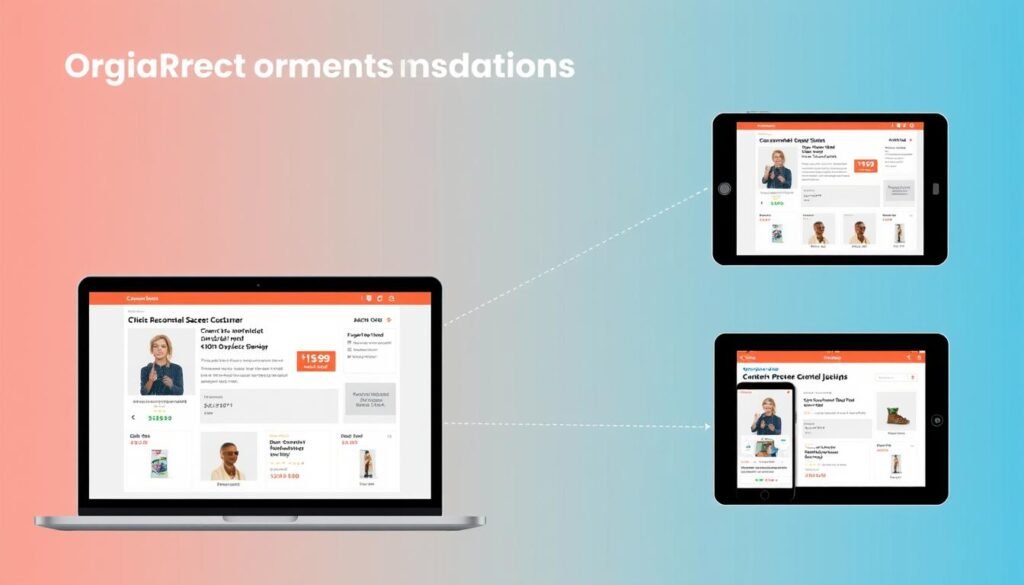
A multi-channel retailer implemented Emarsys to unify their recommendation strategy across web, email, and mobile app touchpoints. The coordinated approach resulted in a 22% increase in average order value and a 15% improvement in customer retention rates over six months.
Ready for Enterprise Omnichannel Recommendations?
Discover how Emarsys can unify your recommendation strategy across all channels.
Request DemoPractical Implementation Tips for Maximizing Recommendation Tool Effectiveness
Selecting the right recommendation tool is just the first step. To truly maximize its impact on your average order value and conversion rates, follow these implementation best practices:
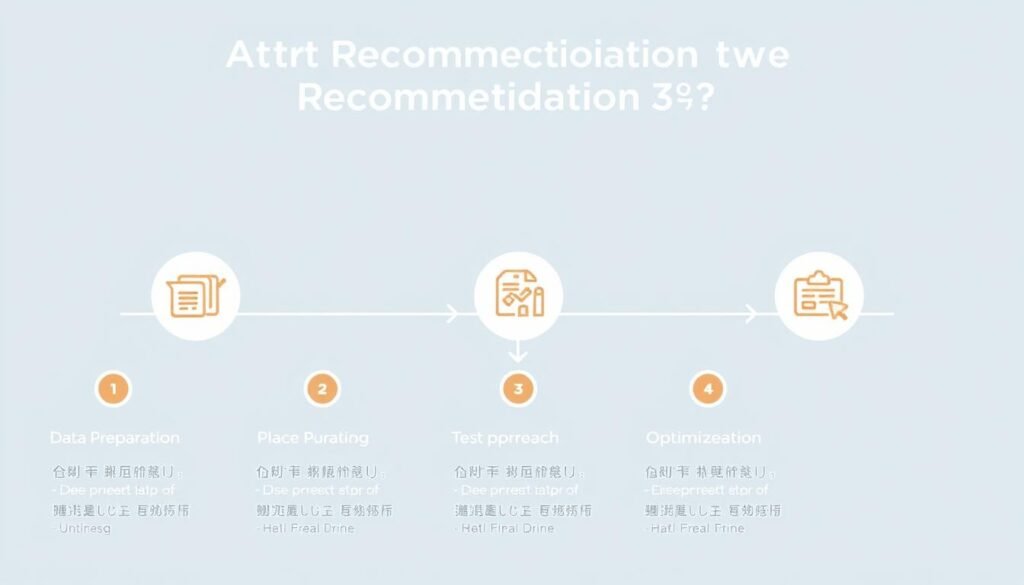
1. Strategic Placement is Critical
Where you position recommendations significantly impacts their effectiveness. Consider these high-converting placements:
- Product Detail Pages: “Frequently bought together” and “Customers also viewed” sections near the add-to-cart button
- Shopping Cart: “Complete your look” or “You might also need” suggestions before checkout
- Post-Purchase: “Recommended for next time” on order confirmation pages
- Category Pages: “Trending in this category” to highlight popular items
- Homepage: “Recently viewed” and “Recommended for you” for returning visitors
2. Optimize Your Product Data
The quality of your product data directly affects recommendation relevance. Ensure you have:
- Comprehensive product attributes (color, size, material, use case, etc.)
- Accurate categorization and tagging
- High-quality product images
- Detailed product descriptions
- Clear price and availability information
3. Test and Refine Your Approach
Continuous optimization is essential for maximizing results:
- A/B test different recommendation algorithms
- Experiment with various placements and designs
- Test the number of products shown (3-5 is typically optimal)
- Try different recommendation labels and calls-to-action
- Analyze performance by device type and customer segment
4. Create a Cohesive Customer Journey
Ensure recommendations feel like a natural part of the shopping experience:
- Maintain consistent visual design with your store theme
- Use recommendation labels that match your brand voice
- Ensure mobile responsiveness for all recommendation widgets
- Coordinate recommendations across channels (email, web, app)
- Integrate recommendations with your loyalty program
“The most effective recommendation strategies don’t just suggest products—they tell a story about how those items work together to solve the customer’s problem or enhance their experience.”
Ready to Implement These Strategies?
Get expert guidance on optimizing your recommendation engine for maximum results.
Download Free GuideHow to Choose the Right Smart Recommendation Tool for Your Store
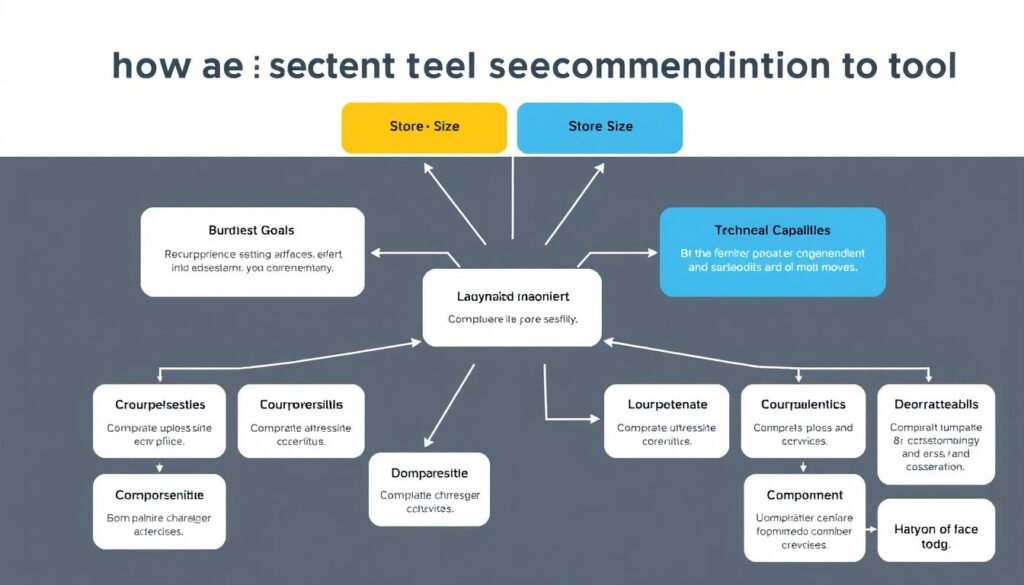
With numerous options available, selecting the right recommendation tool requires careful consideration of your specific business needs, technical capabilities, and growth objectives.
Consider Your Store Size and Traffic Volume
- Small Stores (Under $500K annual revenue): Start with Rep AI or Clerk.io’s basic modules to get immediate results without overwhelming complexity
- Mid-Size Stores ($500K-$5M): Nosto or Clerk.io’s full suite can provide the right balance of sophistication and manageable implementation
- Large Enterprises ($5M+): Dynamic Yield or Emarsys offer the advanced capabilities and scalability needed for complex operations
Evaluate Your Technical Resources
- Limited Technical Team: Choose tools with visual editors and no-code implementation like Rep AI or Nosto
- Moderate Technical Capabilities: Clerk.io offers a good balance of power and ease of implementation
- Strong Development Resources: Dynamic Yield and Emarsys can be fully customized to your exact specifications
Match Tools to Your Product Type
- Fashion and Apparel: Nosto’s visual AI excels at style-based recommendations
- Electronics and Technical Products: Clerk.io’s specification-based filtering works well for compatibility
- Luxury and High-Consideration Items: Rep AI’s conversational approach supports detailed product education
- Multi-category Retailers: Dynamic Yield and Emarsys handle complex catalog structures effectively
Align with Your Growth Strategy
- Improving Conversion Rate: Focus on tools with strong A/B testing capabilities like Nosto or Dynamic Yield
- Increasing Average Order Value: Clerk.io’s “Most Sold With” logic has proven particularly effective
- Enhancing Customer Experience: Rep AI’s conversational interface creates memorable interactions
- Building Omnichannel Presence: Emarsys provides consistent experiences across all touchpoints
Pro Tip: Most recommendation tools offer free trials or demos. Take advantage of these opportunities to test the platform with your actual product data before committing to a long-term contract.
Need Help Choosing the Right Tool?
Get a personalized recommendation based on your store’s specific needs and goals.
Find Your Perfect MatchFrequently Asked Questions About Smart Recommendation Tools
How quickly can I expect to see results from implementing a recommendation engine?
Most stores begin seeing measurable improvements within 2-4 weeks of proper implementation. Initial results typically include reduced bounce rates and increased pages per session, with revenue impacts becoming more pronounced after 30-60 days as the system collects more behavioral data and refines its algorithms.
Do recommendation tools work for stores with small product catalogs?
Yes, though the approach may differ. Stores with fewer than 50 products should focus on complementary product recommendations and bundles rather than similarity-based suggestions. Tools like Rep AI and Clerk.io can be effective even with limited catalogs by emphasizing use cases and product combinations rather than pure variety.
How do recommendation tools impact site performance and loading speed?
Well-designed recommendation engines add minimal overhead to page load times, typically 100-200ms when properly implemented. Most modern tools use asynchronous loading, CDN delivery, and lightweight JavaScript to minimize performance impact. Always test speed before and after implementation, and work with your provider to optimize if you notice significant slowdowns.
Are these tools compliant with privacy regulations like GDPR and CCPA?
Yes, reputable recommendation tools have adapted to privacy regulations. Many now offer cookieless tracking options (like Clerk.io) or first-party data approaches that comply with current regulations. Always review each vendor’s data processing agreements and privacy documentation before implementation, and ensure proper consent mechanisms are in place on your site.
Can I use multiple recommendation tools together?
While technically possible, using multiple recommendation engines simultaneously is generally not recommended. It can create conflicting data signals, inconsistent user experiences, and unnecessary technical overhead. Instead, choose the most comprehensive solution for your needs or use complementary tools that serve different functions (e.g., a recommendation engine for your website and a separate tool for email recommendations).
Conclusion: Transforming Your E-commerce Performance with Smart Recommendation Tools
Implementing the right smart recommendation tool is no longer optional for e-commerce businesses looking to maximize customer value and stay competitive. These intelligent systems have proven their ability to significantly increase average order value, boost conversion rates, and enhance the overall shopping experience.
Each of the five tools we’ve explored offers unique strengths: Nosto excels in visual merchandising, Dynamic Yield provides enterprise-grade capabilities, Clerk.io offers cookieless personalization, Rep AI delivers conversational recommendations, and Emarsys creates unified omnichannel experiences. The best choice depends on your specific business needs, technical resources, and growth objectives.
Remember that successful implementation goes beyond simply installing the software. Strategic placement, quality product data, continuous testing, and creating a cohesive customer journey are all essential for maximizing your return on investment.
As e-commerce continues to evolve, smart recommendation tools will become increasingly sophisticated, leveraging advances in artificial intelligence, visual recognition, and predictive analytics. By implementing these technologies today, you’re not just boosting your current performance—you’re positioning your store for sustained growth in an increasingly competitive landscape.
Ready to Increase Your Average Order Value?
Start implementing smart recommendation tools today and watch your e-commerce performance transform.
Get Started Now