



While you’re busy analyzing the same customer data you’ve always tracked, your competitors might be uncovering powerful hidden customer insights that give them a decisive edge. In today’s hyper-competitive market, the difference between thriving and merely surviving often comes down to how well you understand the unspoken needs and behaviors of your customers. The most valuable insights aren’t always found in standard metrics—they’re hidden in unexpected places, waiting to be discovered by companies willing to look deeper.
Why Critical Customer Data Gets Overlooked
According to research, up to 90% of all data exists in unstructured formats—making it challenging to extract meaningful insights. This creates a significant competitive blind spot for businesses that rely solely on structured data analysis. While you focus on conventional metrics like conversion rates and sales figures, your competitors might be mining rich veins of customer understanding from sources you’ve never considered.
The most common reasons businesses miss critical customer insights include:
- Focusing exclusively on quantitative data while ignoring qualitative feedback
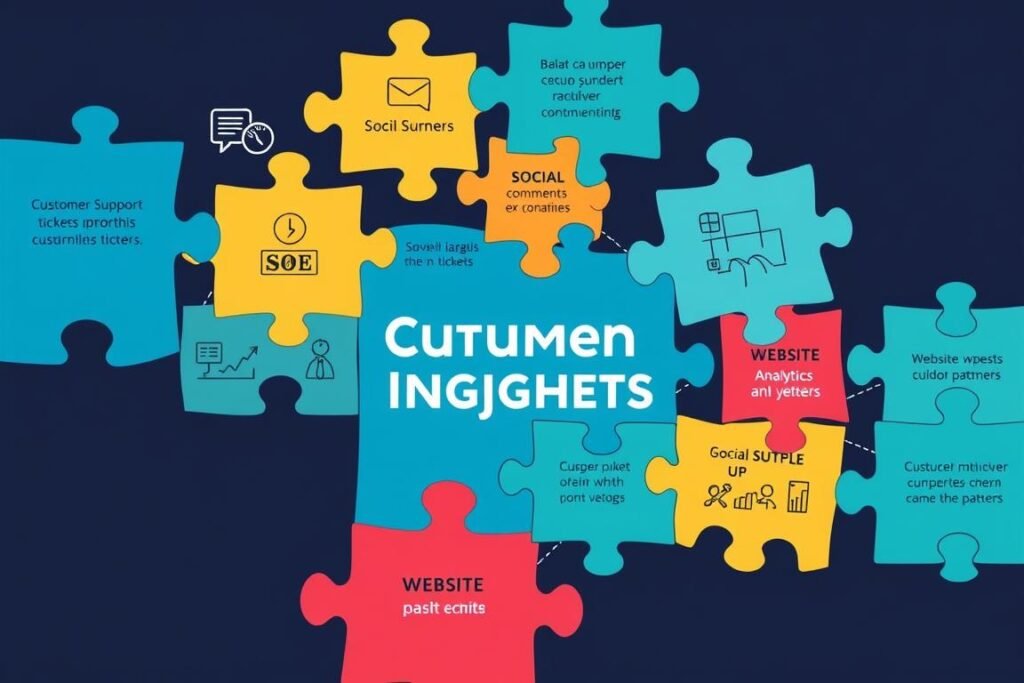
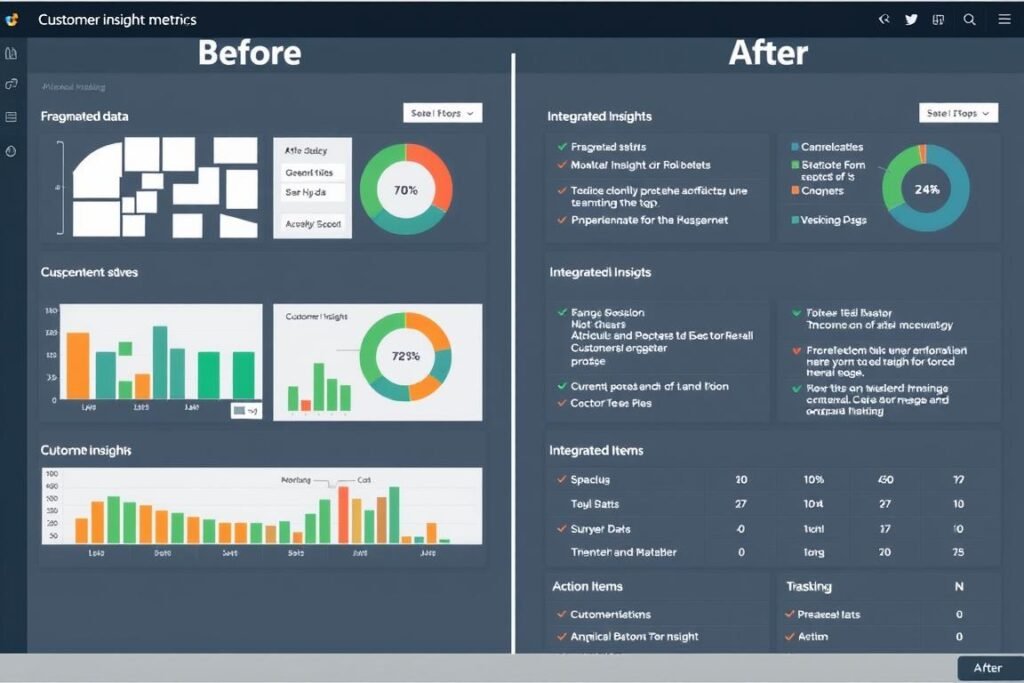
- Siloed data across departments with no integration strategy
- Lack of proper tools to analyze unstructured customer information
- Confirmation bias that filters out unexpected or contradictory customer signals
- Failure to connect customer behavior with underlying motivations
This oversight isn’t just a missed opportunity—it’s actively damaging your growth potential. When competitors understand customer needs better than you do, they can create more compelling products, craft more resonant marketing messages, and build stronger customer relationships.
Tools That Uncover Hidden Customer Insights
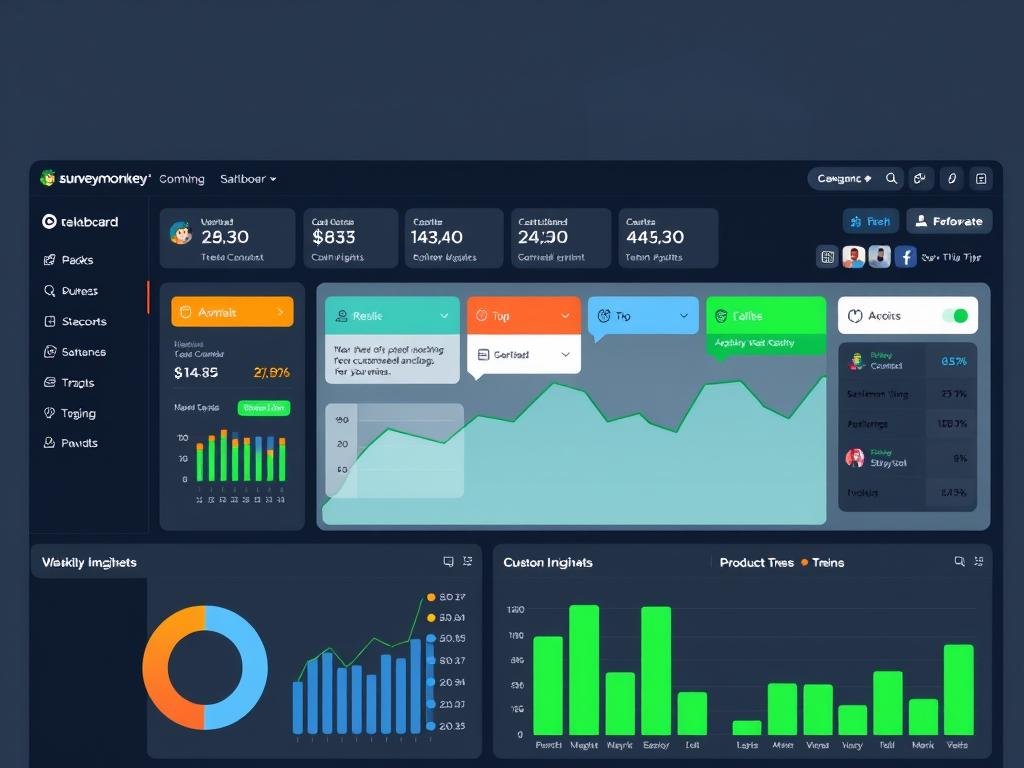
Modern insight-gathering tools make it easier than ever to collect, analyze, and act on customer feedback. These platforms help you systematically uncover the hidden needs and preferences that drive customer decisions.
How SurveyMonkey Transforms Customer Understanding
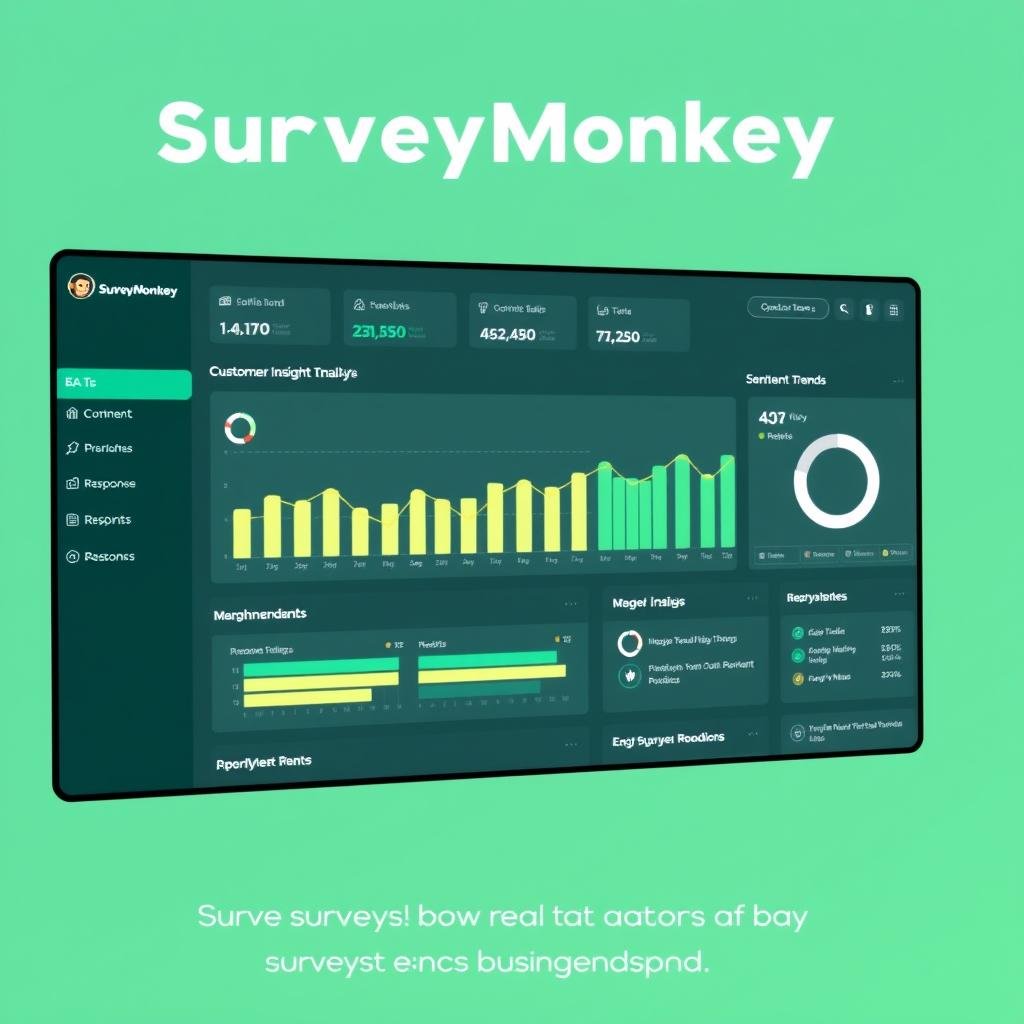
SurveyMonkey provides a comprehensive suite of tools specifically designed to uncover the insights your competitors might already be leveraging:
- Advanced Survey Logic – Create dynamic surveys that adapt based on previous answers, diving deeper into specific areas of interest
- Sentiment Analysis – Automatically detect emotional tones in open-ended responses to understand how customers feel, not just what they say
- Benchmarking – Compare your results against industry standards to identify where you’re falling behind competitors
- Integration Capabilities – Connect survey data with your CRM, support tickets, and other customer touchpoints for a unified view
Beyond dedicated survey tools, a comprehensive customer insight strategy often incorporates:
Social Listening Platforms
Tools like Brandwatch and Hootsuite that monitor conversations about your brand across social channels and the wider web.
Customer Data Platforms
Systems that unify customer data from multiple sources to create comprehensive profiles and identify patterns.
Behavioral Analytics
Solutions like Hotjar and FullStory that record and analyze how users interact with your digital properties.
Actionable Strategies for Collecting and Implementing Customer Insights

Knowing where to find hidden insights is only the first step. The real competitive advantage comes from systematically collecting, analyzing, and—most importantly—acting on these insights.
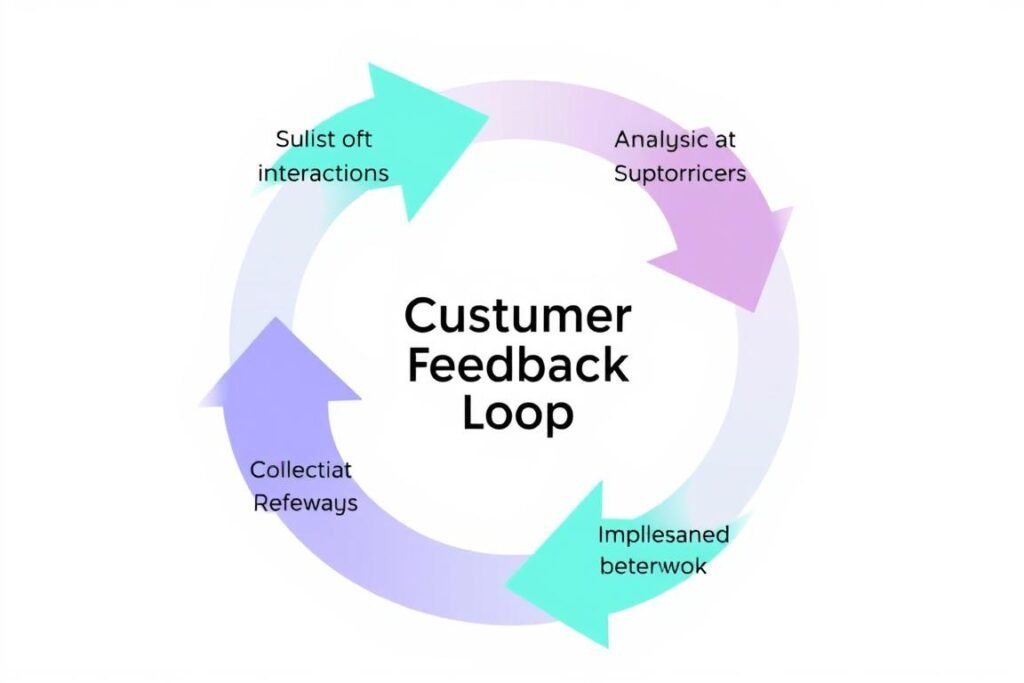
1. Create a Unified Customer Feedback Loop
Establish a systematic process for gathering insights from multiple sources and routing them to the right teams:
Collection Phase
- Deploy targeted surveys at key customer journey touchpoints
- Implement feedback widgets across digital properties
- Train support teams to tag and categorize customer issues
- Set up automated social listening for brand mentions
Analysis Phase
- Combine quantitative and qualitative data for context
- Look for patterns and anomalies across feedback sources
- Segment insights by customer type and journey stage
- Prioritize findings based on business impact and frequency
Implementation Phase
- Create cross-functional insight review sessions
- Develop clear ownership for acting on specific insights
- Establish metrics to track the impact of changes
- Close the loop by informing customers of improvements
2. Apply Behavioral Science to Uncover Hidden Motivations
Look beyond what customers say to understand the psychological drivers behind their behaviors:
- Use projective techniques in research to bypass rational filters
- Analyze the language customers use for emotional undertones
- Identify discrepancies between stated preferences and actual behaviors
- Map customer journeys with emotional states at each touchpoint
“The most valuable insights often come from what customers don’t explicitly tell you—the patterns in their behavior, the emotions behind their choices, and the needs they themselves may not fully recognize.”
Real-World Success Stories: Companies That Transformed Through Hidden Insights
Retail Brand Discovers Unexpected Pain Point
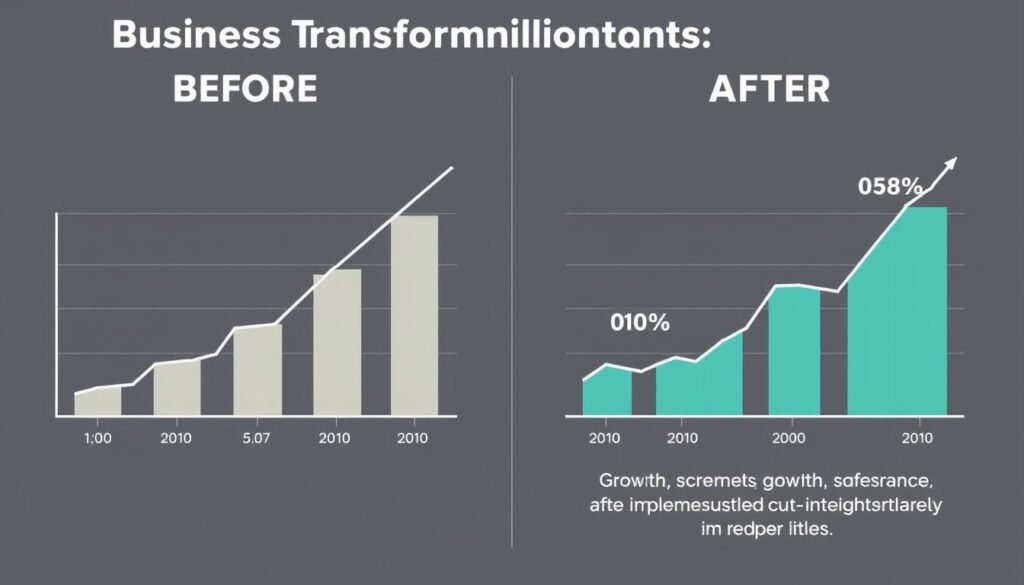
A mid-sized clothing retailer was puzzled by high cart abandonment rates despite competitive pricing. Through customer journey analysis and targeted surveys, they discovered an unexpected insight: customers were uncertain about sizing consistency across different product lines.
The solution was simple but transformative—they implemented a standardized sizing guide with visual references and added a “commonly purchased together” feature showing which sizes customers typically bought together. This reduced cart abandonment by 23% and increased average order value by 17%.
B2B Software Company Reframes Value Proposition
A B2B software provider was struggling with slow adoption rates despite positive initial feedback. By analyzing support conversations and conducting in-depth interviews, they uncovered a critical insight: while their marketing emphasized time savings, customers actually valued the confidence and risk reduction the software provided.
By reframing their messaging around security and confidence rather than efficiency, they saw a 40% increase in conversion rates and significantly faster implementation times among new customers.

Get Your Free Customer Insights Playbook
Download our comprehensive guide with templates, questionnaires, and implementation strategies to start uncovering your own hidden customer insights today.
Overcoming Common Challenges in Customer Insight Programs

Even with the right tools and intentions, many organizations struggle to implement effective customer insight programs. Here’s how to overcome the most common obstacles:
Data Silos
Challenge: Customer information scattered across departments with no unified view.
Solution: Implement a customer data platform that integrates information from all touchpoints and creates a single source of truth.
Analysis Paralysis
Challenge: Too much data leading to indecision or focusing on the wrong metrics.
Solution: Start with specific business questions and prioritize insights based on potential impact and implementation feasibility.
Insight-to-Action Gap
Challenge: Valuable insights gathered but never implemented due to organizational barriers.
Solution: Create clear ownership for acting on insights and establish a regular review process to track implementation progress.
Pro Tip: Start small with a focused insight initiative in one area of your business. Use the success and learnings from this pilot to build momentum and secure buy-in for a broader customer insight program.
5 Steps to Start Uncovering Hidden Customer Insights Today
You don’t need to overhaul your entire organization to start benefiting from hidden customer insights. Here are five practical steps you can take immediately:
- Audit Your Current Feedback Channels
Identify all the places where customers are already providing feedback and assess how effectively you’re capturing and analyzing this information. - Set Up a Simple Voice of Customer Program
Deploy targeted surveys at key touchpoints using SurveyMonkey’s templates designed to uncover hidden needs and preferences. - Mine Your Support Interactions
Review recent support tickets and chat logs for patterns, recurring issues, and emotional signals that might indicate deeper needs. - Conduct Customer Journey Mapping
Map the entire customer experience to identify gaps between what customers expect and what they actually experience. - Establish a Cross-Functional Insights Team
Create a dedicated group with representatives from product, marketing, sales, and support to regularly review insights and drive action.

Conclusion: Turn Hidden Insights Into Your Competitive Advantage
The gap between companies that leverage hidden customer insights and those that don’t continues to widen. While your competitors might already be mining these valuable data sources, it’s not too late to start your own customer insight initiative and transform your business growth trajectory.
Remember that the most valuable insights often come from unexpected places—the unspoken needs, the behavioral patterns, and the emotional responses that traditional metrics miss. By systematically uncovering and acting on these hidden insights, you can create products that truly resonate, marketing that genuinely connects, and experiences that keep customers coming back.
Ready to Uncover Your Hidden Customer Insights?
Start your free SurveyMonkey trial today and access powerful tools designed to reveal what your customers really think, feel, and need.
We are reader-supported. We may earn an affiliate commission
When you buy through links on our site.