


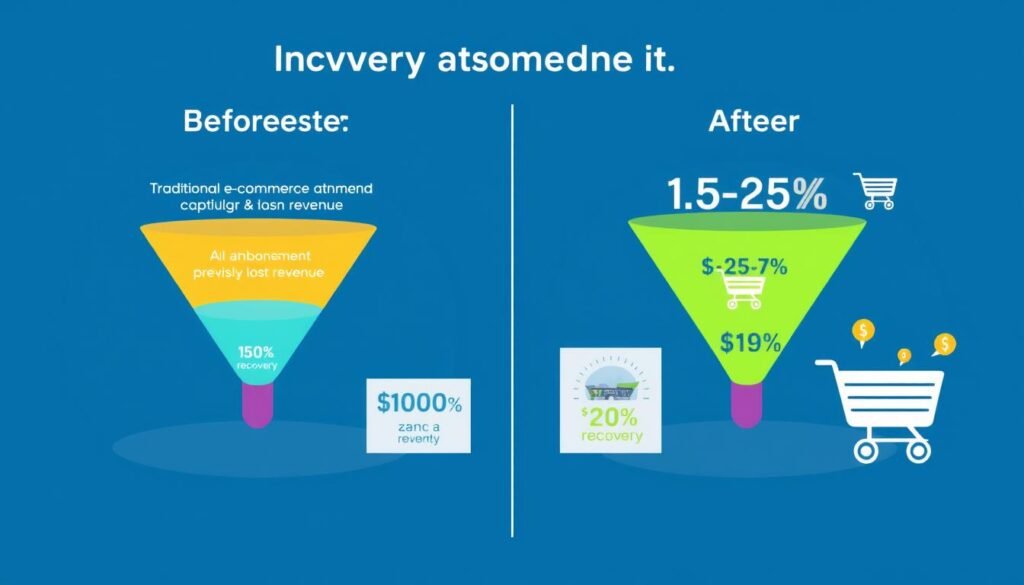
AI Abandoned Cart Recovery is transforming how online retailers recapture lost sales, with some businesses recovering up to 25% of otherwise abandoned transactions. This isn’t about sending an email hours later—it’s about intelligent, real-time intervention that keeps customers in your sales funnel.
The Silent Revenue Drain: Understanding Cart Abandonment
Cart abandonment isn’t just an inconvenience—it’s a massive revenue leak. Research shows that for every 100 customers who add products to their cart, nearly 70 will leave without completing their purchase. This translates to approximately $18 billion in lost sales annually across e-commerce.
The average cart abandonment rate reached 69.8% in 2023, with mobile abandonment rates even higher at 85.6%.
Why Customers Abandon Their Carts
Understanding why shoppers leave is the first step toward bringing them back. The top reasons include:
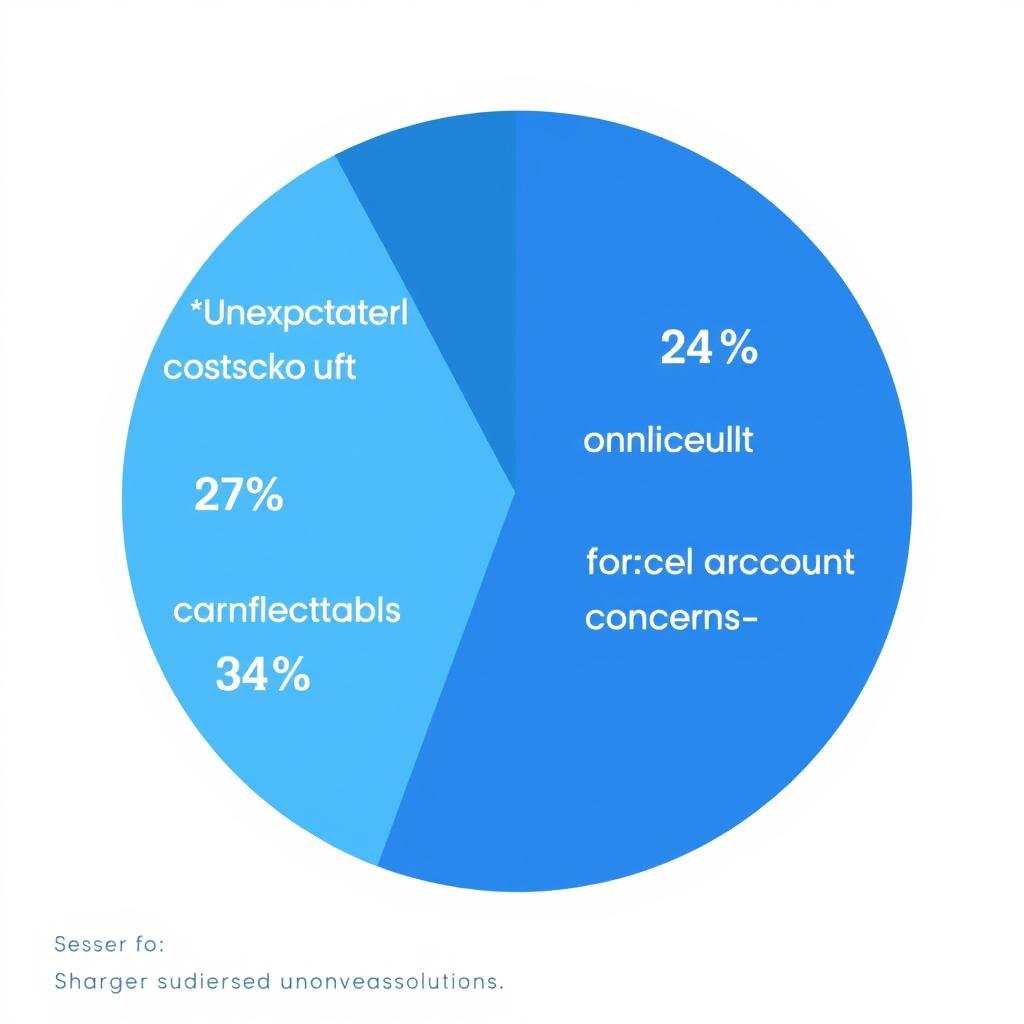
- Unexpected costs – 48% of shoppers cite shipping fees, taxes, or other charges revealed at checkout as their reason for abandoning.
- Complicated checkout – 27% leave when faced with a lengthy or confusing checkout process.
- Forced account creation – 24% abandon when required to create an account before purchasing.
- Payment security concerns – 19% leave due to trust issues or concerns about payment data security.
Traditional recovery methods like email campaigns have shown limited success, with open rates averaging just 15-20% and conversion rates of 2-5%. By the time a customer receives your email hours later, they’ve often moved on or purchased elsewhere.
Calculate Your Revenue Leakage
Find out how much revenue you’re losing to cart abandonment and what AI recovery could mean for your bottom line.
How AI Abandoned Cart Recovery Changes the Game
Unlike traditional recovery methods that act after the customer has left, AI-powered solutions work in real-time, analyzing behavior patterns to identify and address abandonment before it happens.
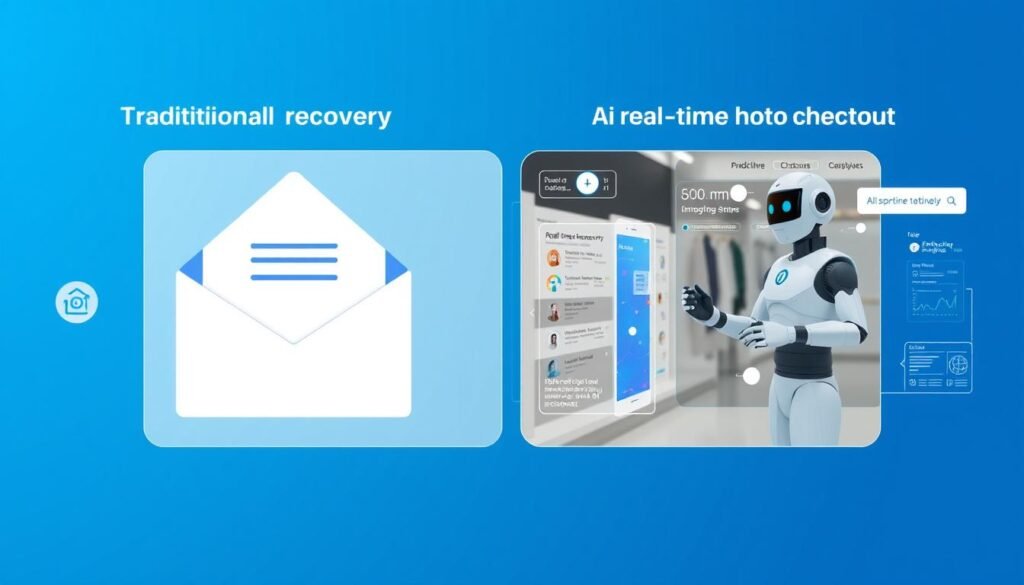
Real-Time Behavior Analysis
AI cart recovery systems monitor subtle signals that indicate a customer might abandon their purchase:
- Mouse movement toward exit buttons – AI tracks cursor patterns that suggest a user is about to leave.
- Extended idle time on checkout pages – The system identifies when customers are stuck or hesitating.
- Form field abandonment – AI notices when users repeatedly fail to complete specific fields.
- Price checking behavior – The technology recognizes when customers toggle between your site and competitors.
Personalized Intervention Strategies
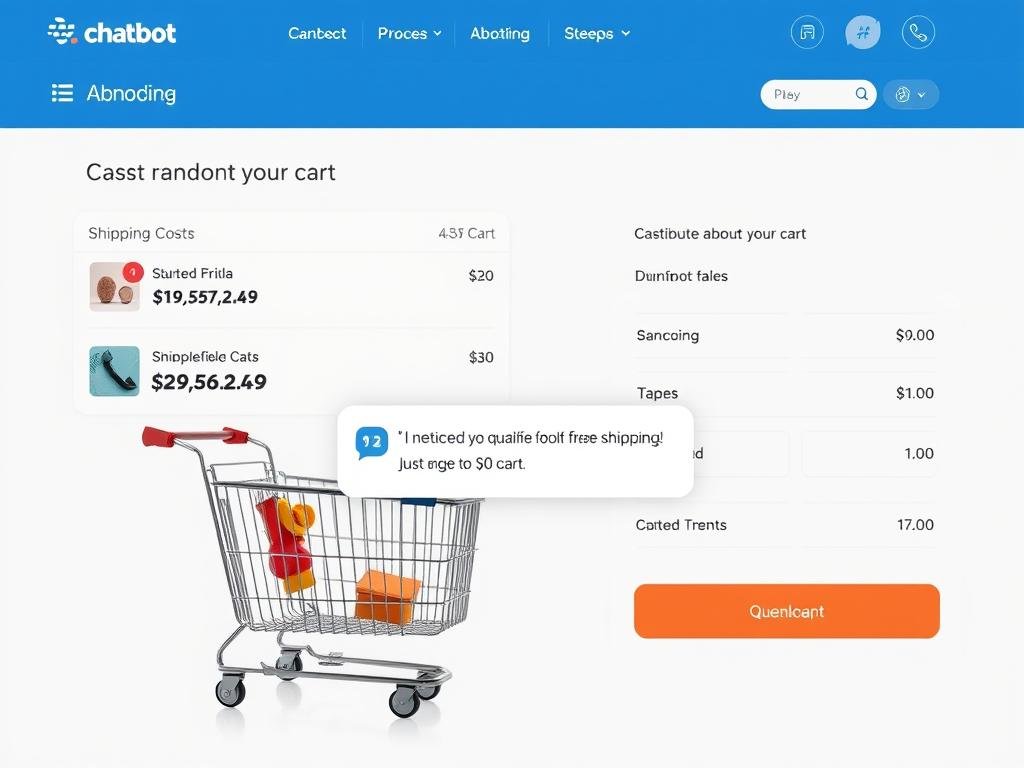
Once abandonment risk is detected, AI deploys targeted interventions based on the specific friction point:
| Abandonment Trigger | AI Response |
| Shipping cost shock | Offer free shipping threshold notification or limited-time shipping discount |
| Payment hesitation | Display security badges and alternative payment options |
| Account creation friction | Highlight guest checkout option with account benefits |
| Product uncertainty | Show reviews, guarantees, or comparison information |
Predictive Analytics for Proactive Recovery
Advanced AI systems don’t just react to abandonment signals—they predict them. By analyzing thousands of customer journeys, the AI identifies patterns that indicate high abandonment risk and intervenes proactively.
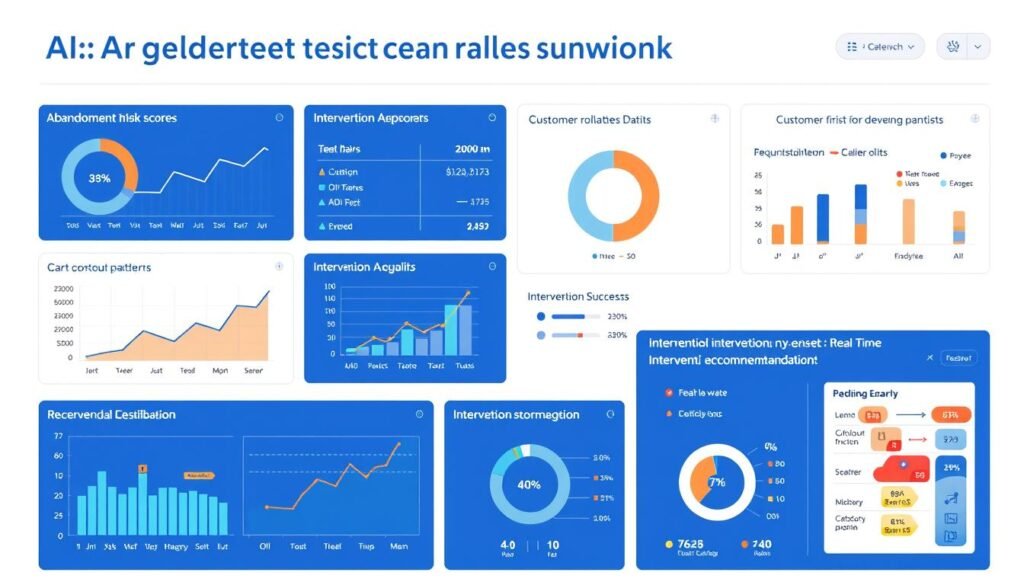
These systems continuously learn from each interaction, improving their ability to identify at-risk customers and refining which interventions work best for different customer segments and abandonment scenarios.
Real-World Success: AI Abandoned Cart Recovery in Action
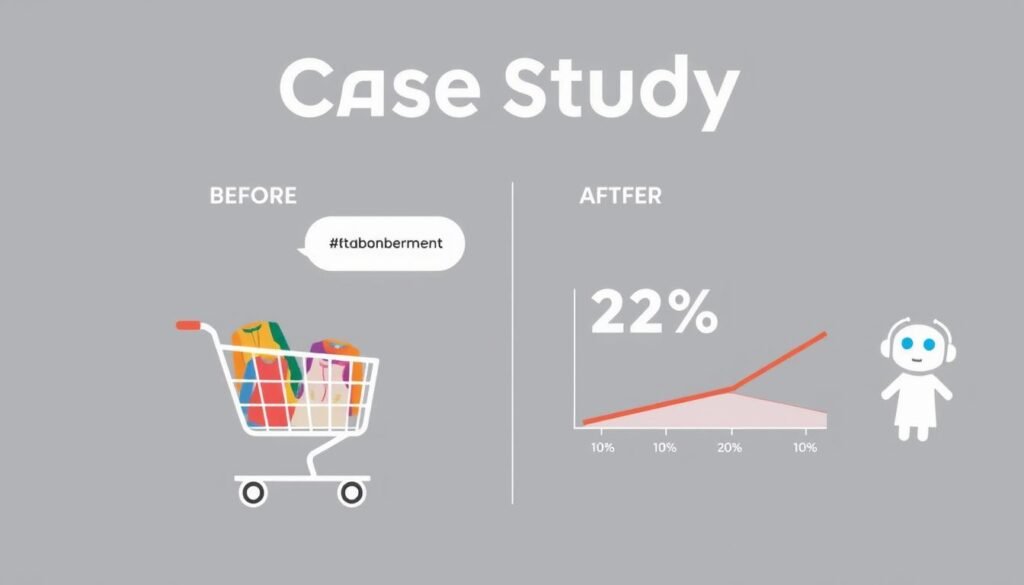
Case Study: Fashion Retailer Reduces Abandonment by 22%
A mid-sized fashion retailer implemented AI-powered exit-intent detection with personalized offers based on cart value and customer history.
- Challenge: 78% mobile cart abandonment rate
- Solution: AI-powered chatbot with personalized shipping and discount offers
- Results: 22% reduction in abandonment and 15% increase in average order value
The AI system identified that shipping costs were the primary abandonment trigger and automatically offered free shipping for orders above a certain threshold, suggesting specific items to add to reach it.
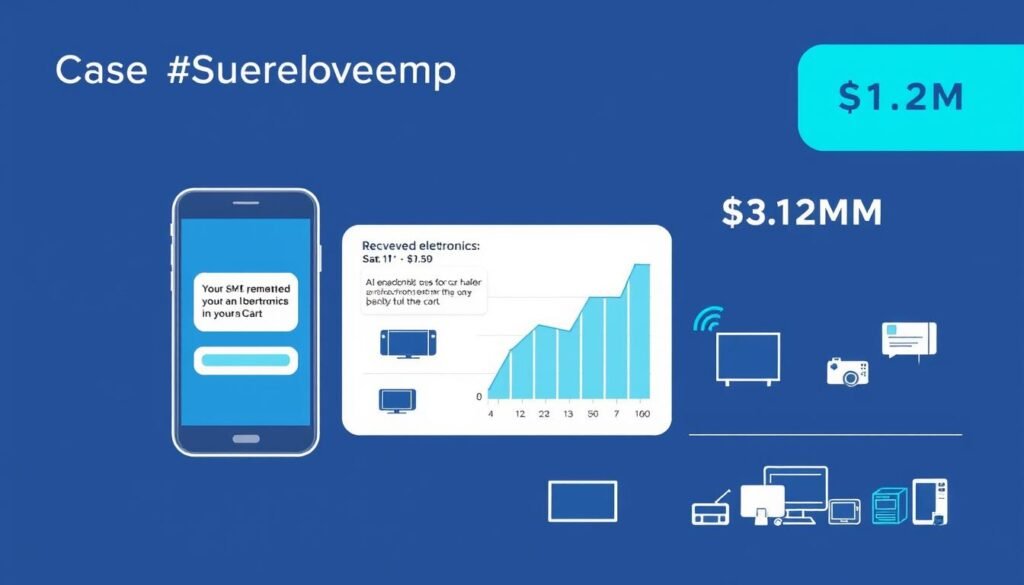
Case Study: Electronics Store Recovers $1.2M Annually
A major electronics retailer implemented an AI-driven multi-channel recovery system combining on-site interventions with SMS reminders.
- Challenge: High-value carts abandoned during complex checkout
- Solution: AI behavior analysis with dynamic SMS recovery
- Results: $1.2M additional annual revenue from recovered carts
The system identified customers struggling with technical specifications or warranty options and provided real-time assistance, followed by personalized SMS reminders for those who still abandoned.
“Implementing AI abandoned cart recovery technology increased our conversion rate by 18% in the first month alone. The system pays for itself many times over.”
Implementing AI Abandoned Cart Recovery: A Step-by-Step Guide
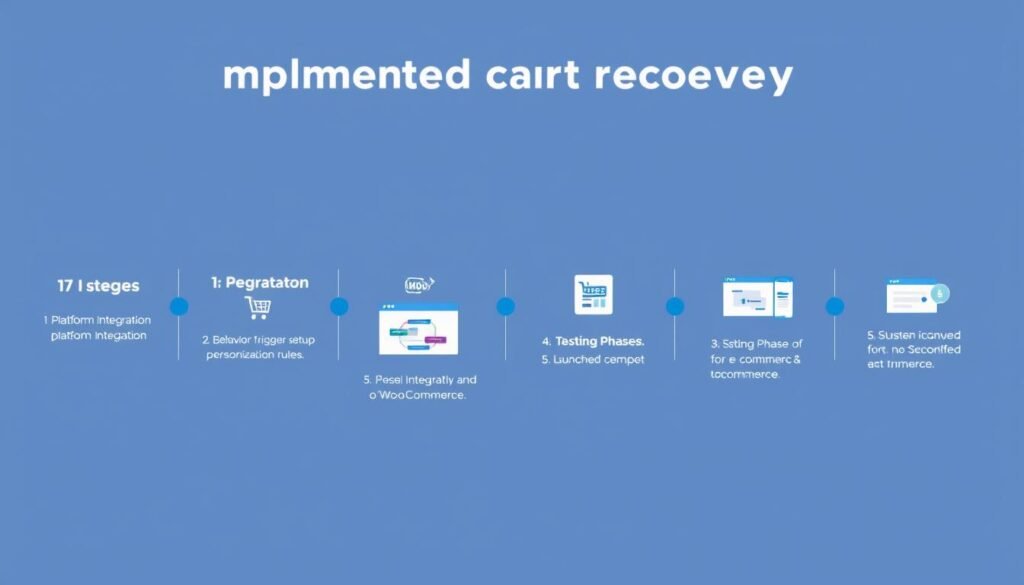
Integrating AI recovery tools with your e-commerce platform is more straightforward than you might think. Here’s how to get started:
1. Choose the Right AI Recovery Solution
Select a platform that integrates with your e-commerce system (Shopify, WooCommerce, Magento) and offers the features that address your specific abandonment issues:
- Behavior analysis capabilities – Look for systems that track mouse movements, time on page, and scroll depth.
- Personalization options – Ensure the solution can segment customers and customize offers.
- Multi-channel recovery – Choose platforms that can engage through on-site messages, email, and SMS.
- Analytics and reporting – Select tools that provide clear metrics on recovery rates and ROI.
2. Set Up Your Recovery Workflow
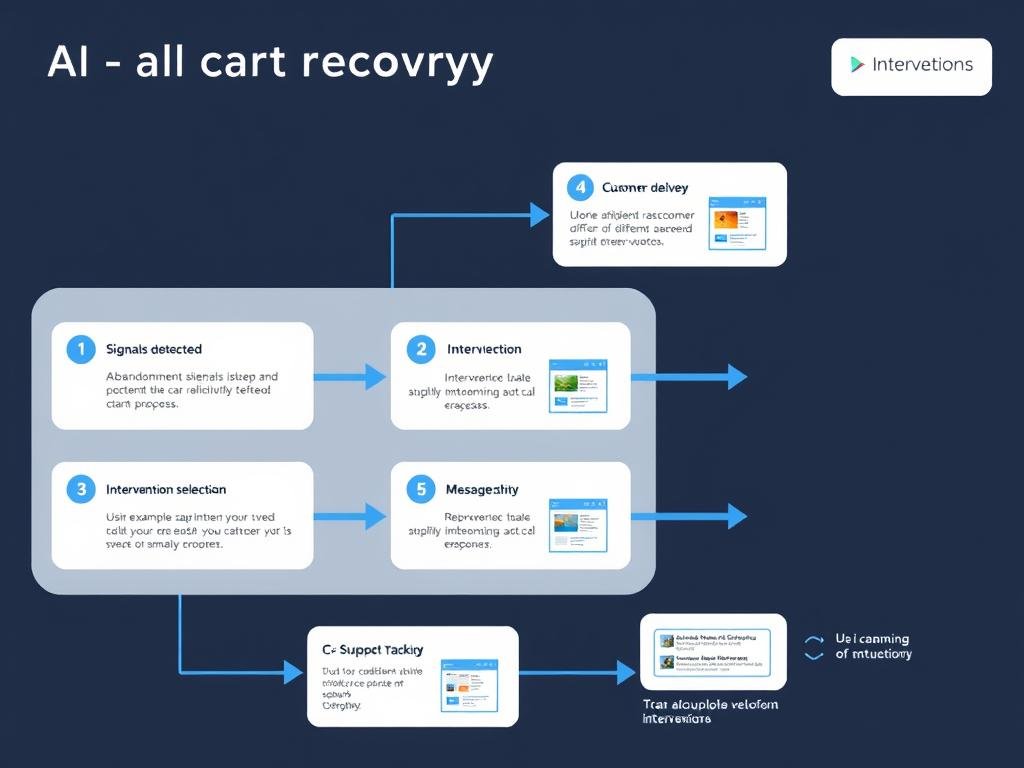
A typical AI recovery workflow includes these key steps:
- Customer shows abandonment signals → AI triggers analysis
- System checks: browsing history, device type, cart value, customer segment
- AI selects optimal intervention based on abandonment trigger
- Personalized message delivered through appropriate channel
- Response tracked and fed back into AI learning system
Configure your triggers carefully—too aggressive, and you’ll annoy customers; too passive, and you’ll miss recovery opportunities.
3. Craft Effective Recovery Messages
The content of your interventions is crucial to their success. Follow these best practices:
| Abandonment Type | Message Example | Key Elements |
| Shipping cost hesitation | “Add just $15 more to qualify for free shipping! Here are some items that would pair perfectly with your selection.” | Specific threshold, personalized recommendations |
| Account creation friction | “Checkout as a guest in just 30 seconds! Create an account later to track your order.” | Time-saving emphasis, delayed account creation |
| Payment security concerns | “We use bank-level encryption to protect your payment information. Plus, all purchases are backed by our 30-day guarantee.” | Security reassurance, risk reduction |
| Price comparison behavior | “Found a better price? We’ll match it plus give you an extra 5% off your first order!” | Competitive awareness, added incentive |
4. Test, Measure, and Optimize
Continuous improvement is essential for maximizing recovery rates:
- A/B test different messages – Compare recovery rates between different intervention approaches.
- Analyze timing sensitivity – Determine the optimal moment to intervene for different customer segments.
- Refine targeting rules – Adjust which behaviors trigger interventions based on success rates.
- Track long-term customer value – Measure not just immediate recovery but repeat purchase behavior.
Measuring Success: Key Metrics for AI Cart Recovery
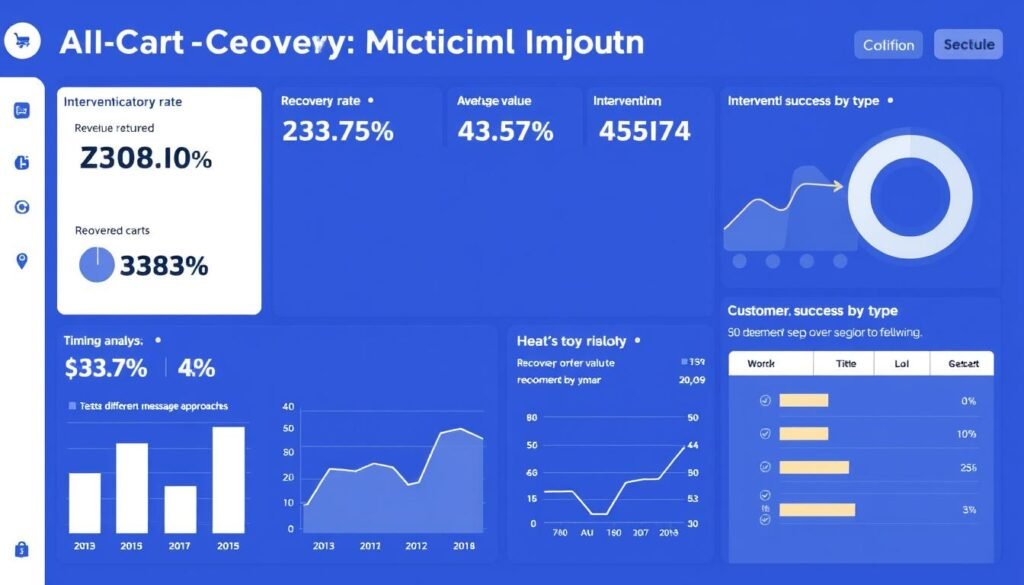
To evaluate the effectiveness of your AI recovery efforts, focus on these critical metrics:
Primary Performance Indicators
- Cart Recovery Rate – Percentage of abandoned carts successfully recovered
- Recovery Revenue – Total revenue generated from recovered carts
- ROI – Revenue from recovered carts minus cost of AI solution
- Average Order Value (AOV) of Recovered Carts – Often higher than regular purchases
Behavioral Insights
- Abandonment Points – Where in the funnel most customers leave
- Intervention Response Rate – How often customers engage with recovery attempts
- Time-to-Recovery – How quickly customers return after intervention
- Repeat Abandonment Rate – How often recovered customers abandon again
Most businesses see positive ROI within the first month of implementing AI abandoned cart recovery, with average recovery rates of 15-25% of otherwise lost sales.
Frequently Asked Questions About AI Cart Recovery
Will AI recovery messages annoy my customers?
When implemented correctly, AI recovery is perceived as helpful rather than intrusive. The key is timing, relevance, and value. Messages should address specific friction points and offer genuine solutions. Our data shows that 85% of customers view well-timed interventions positively, especially when they solve a problem the customer is experiencing.
How quickly can I implement AI cart recovery?
Most e-commerce platforms can integrate AI recovery solutions in 1-2 weeks. Implementation typically involves adding a JavaScript snippet to your site, connecting your product feed, and configuring your recovery rules. Many solutions offer pre-built templates and triggers that can be customized to your brand, accelerating the setup process.
Do I need to offer discounts for recovery to work?
No, discounts aren’t always necessary. Many abandonment issues relate to information gaps, trust concerns, or process friction rather than price. Effective recovery often involves providing clarity, streamlining the process, or offering reassurance. When discounts are used, they should be targeted to specific segments and abandonment triggers rather than offered universally.
How does AI recovery compare to email recovery campaigns?
AI recovery complements rather than replaces email campaigns. The key difference is timing and personalization. AI intervenes in real-time while the customer is still on your site, addressing specific friction points. Email recovery works after abandonment has occurred. The most effective strategy combines both: real-time AI intervention followed by personalized email sequences for those who still abandon.
Stop Losing Sales: Take Action Today
Cart abandonment doesn’t have to be the end of the customer journey. With AI-powered recovery solutions, you can identify at-risk customers, address their concerns in real-time, and guide them back to completed purchases.
The technology is accessible, the implementation straightforward, and the results transformative. Businesses implementing AI cart recovery consistently see 15-25% of abandoned carts recovered, translating to significant revenue that would otherwise be lost.
The question isn’t whether you can afford to implement AI cart recovery—it’s whether you can afford not to. Every day without an effective recovery strategy means more customers walking away and more revenue left on the table.
Ready to Recover Your Lost Sales?
Discover exactly how much revenue you could reclaim with a personalized AI cart recovery strategy tailored to your business.